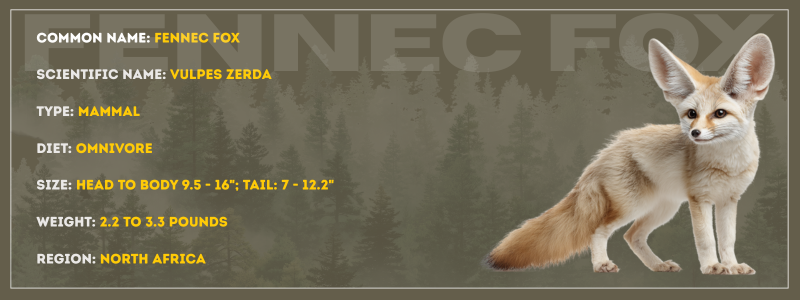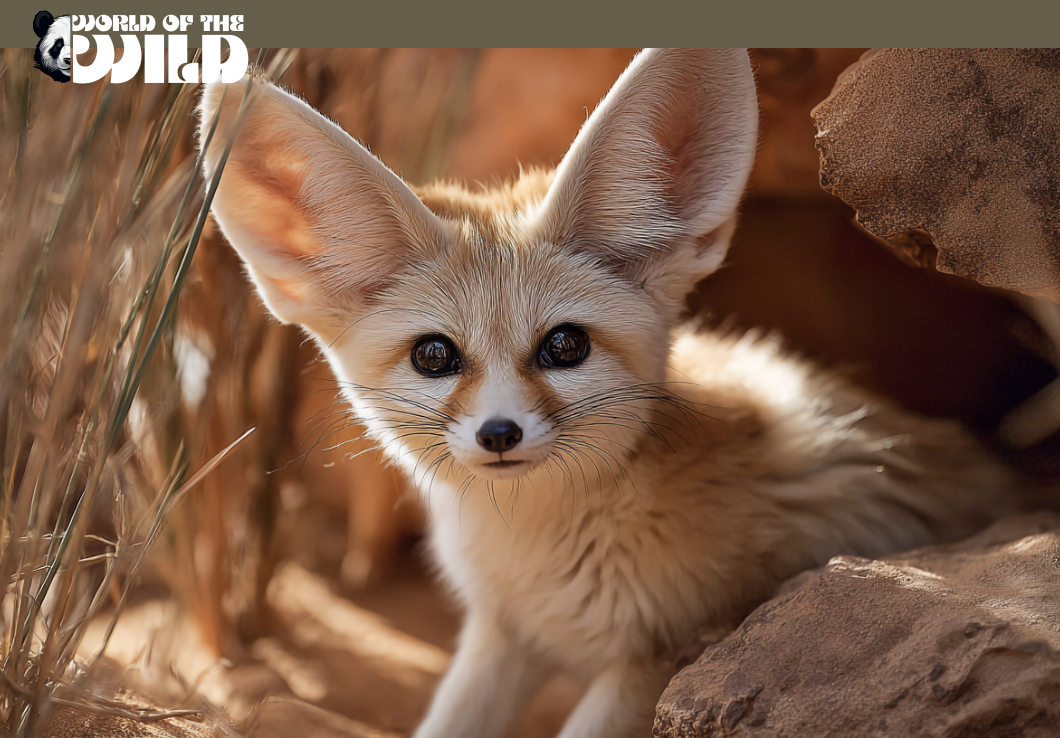

Imagine a creature perfectly crafted for the most extreme environment on Earth—a tiny, sandy-furred marvel with ears that defy belief. This is the Fennec Fox (Vulpes zerda), a petite powerhouse that brings a touch of whimsy and wonder to the desolate landscapes of the Sahara. These desert dwellers are far more than just “cute”; they are masters of survival, their every feature a testament to the elegant cruelty of natural selection.
The Fennec Fox is significant because it represents the ultimate desert adaptation among canids. Its fascinating combination of miniature size, massive ears, and complex burrowing behavior makes it a compelling subject in the study of animal physiology and ecology in arid environments.
💡 Fennec Fox Facts: Quickfire Wonders
Here are a few lesser-known facts that make the Fennec Fox truly unique:
- Miniature Marvels: The Fennec Fox is the smallest canid species in the world, weighing less than a bag of sugar.
- Insulated Paws: They have thick, woolly fur covering the soles of their feet, which serves two purposes: insulation against the scorching sand and extra traction for running in the loose desert terrain.
- Waterless Warriors: Fennecs can go for long periods without drinking water, obtaining most of the necessary moisture from the food they consume.
- Hearing Superpowers: Those enormous ears can detect prey moving underground and locate insects and small vertebrates from a great distance.
- Pale Camouflage: Their cream-colored fur not only blends seamlessly with the desert sand but also helps to reflect sunlight and keep them cool.
- No Stink: Unlike many fox species, Fennecs do not possess a musk gland and therefore lack the strong, foxy odor often associated with their relatives.
🧬 Species and Classification
The Fennec Fox holds a clear place in the tree of life, classified as follows:
| Rank | Classification |
| Kingdom | Animalia |
| Phylum | Chordata |
| Class | Mammalia |
| Order | Carnivora |
| Family | Canidae (Dogs, Wolves, Foxes) |
| Genus | Vulpes (True Foxes) |
| Species | Vulpes zerda |
The Fennec Fox is sometimes classified in its own genus, Fennecus, but modern genetics places it firmly within the Vulpes genus alongside the Red Fox and Kit Fox. It is the only species in its group, meaning there are no distinct subspecies. However, its closest living relative is generally considered to be the Pale Fox (Vulpes pallida), another small, African desert dweller.
🔎 Appearance: The Ears Have It
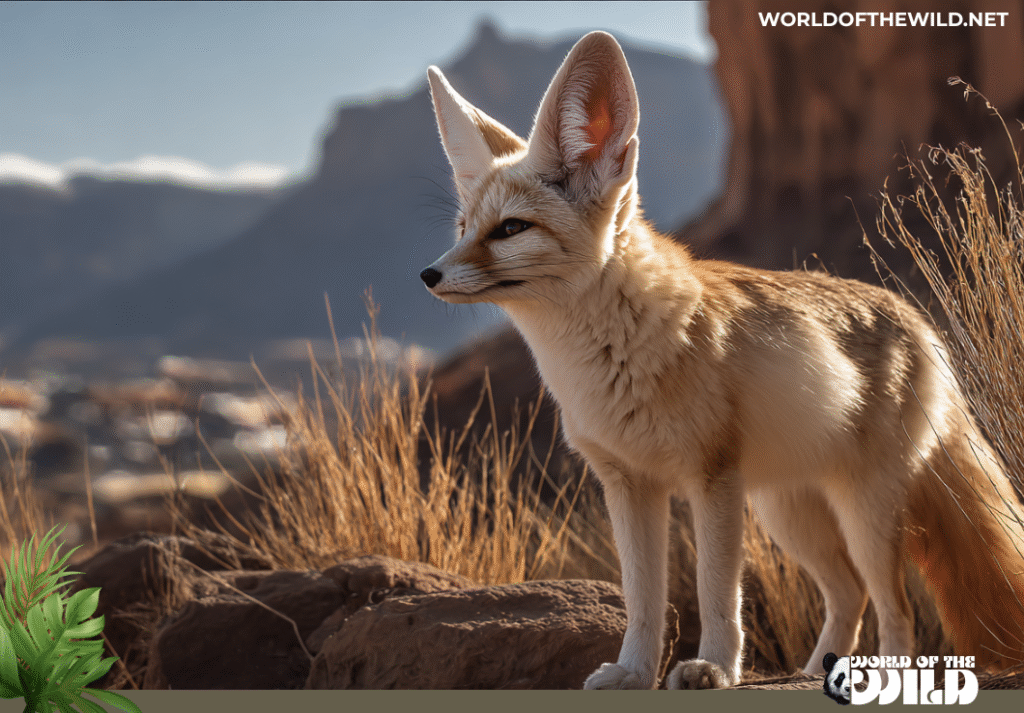
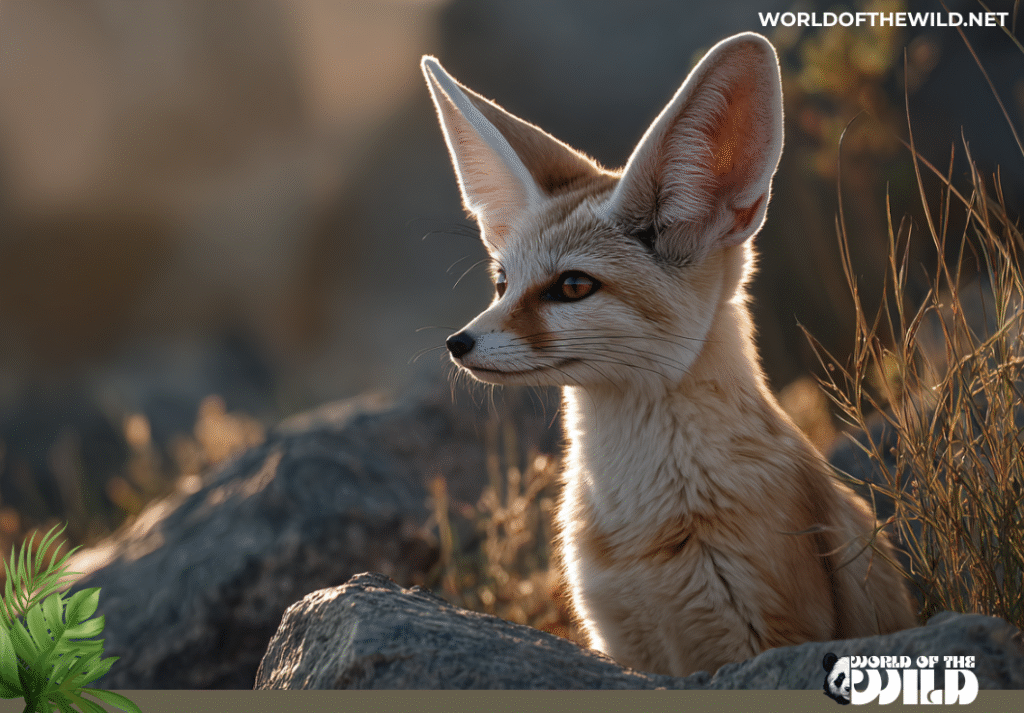
The Fennec Fox is instantly recognizable by its extraordinarily large ears, which can grow up to 6 inches (15 cm) long. Proportionally, they are the largest ears of any canid species.
- Size & Weight: They are tiny, standing only about $8$ inches ($20$ cm) tall at the shoulder. They typically weigh between $1.5$ to $3.5$ pounds ($0.7$ to $1.6$ kg).
- Color: Their coat is a creamy-buff or light sandy color dorsally, which fades to white on the underside. This coloration provides excellent camouflage.
- Distinctive Features:
- Ears: The massive ears act as a thermoregulatory system. The extensive network of blood vessels close to the skin surface allows them to radiate body heat effectively, crucial for survival in the Sahara’s high temperatures.
- Coat: Their fur is exceptionally thick and long, which helps insulate them from the cold desert nights.
- Teeth: They have relatively small teeth, adapted more for grinding insects than tearing large prey.
🐾 Behavior: The Night Shift
Fennec Foxes are nocturnal and social animals, perfectly adapted to the desert rhythm. They spend the scorching day deep within their elaborate underground homes, emerging at dusk to forage and socialize.
- Social Structure: They live in family units or small colonies, usually consisting of a mated pair, their current year’s pups, and sometimes older offspring. These groups can occupy a single, large burrow complex.
- Communication: They communicate through a diverse repertoire of sounds, including whimpers, growls, chatters, and a distinctive, high-pitched scream. They also use scent marking, particularly during the breeding season.
- Notable Adaptation – Burrowing: Fennecs are expert engineers, digging complex, interconnected den systems in the sand with multiple entrances. These burrows provide protection from the heat, predators, and sandstorms. They can reportedly dig $20$ feet in a single night!
- Intelligence: While specific intelligence studies are limited, their sophisticated social behaviors and ability to navigate and survive in such a harsh environment suggest high cognitive function.
⏳ Evolution: A Canid Outsider
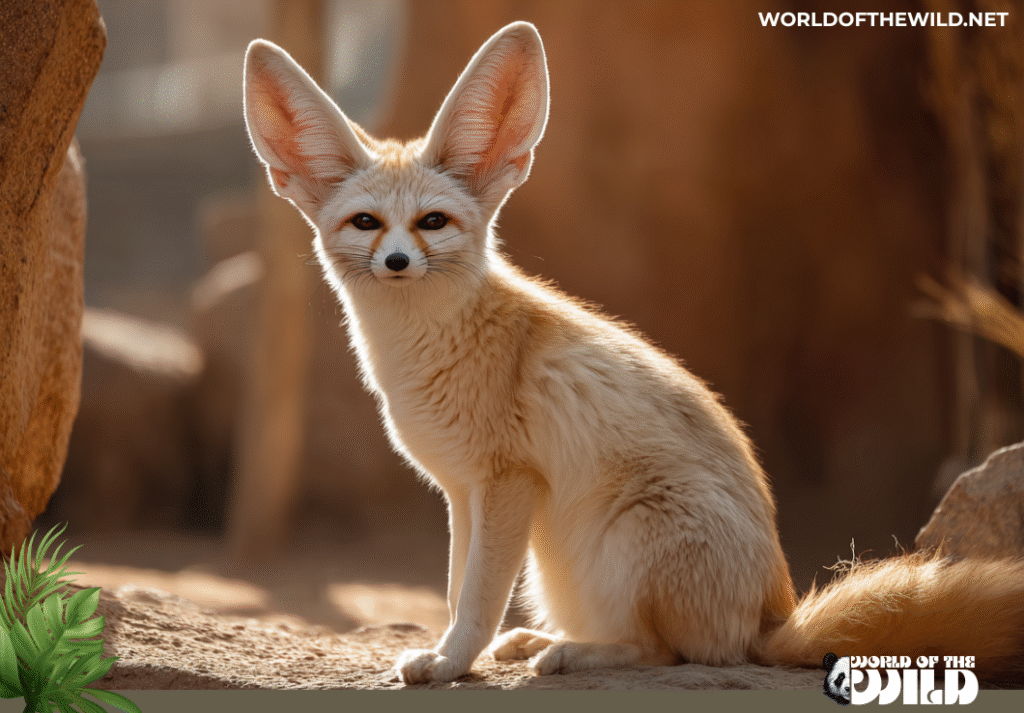
The evolutionary history of the Fennec Fox places it as a distinctive member of the Vulpes genus. It is considered an ancient lineage that diverged relatively early from other true foxes.
- Key Ancestors: The exact fossil record for V. zerda is sparse, but it is believed to have evolved from a common ancestor of the Pale Fox in North Africa. Its extreme morphological adaptations—especially the small size and enormous ears—are strong indicators of a long-term evolutionary commitment to the arid desert habitat.
- Evolutionary Milestone: The most significant evolutionary milestone is the development of its highly efficient thermoregulation system—the large ears. This feature allowed their ancestors to successfully colonize and thrive in the hyper-arid, high-temperature environment of the Sahara that is inhospitable to most other canids.
🏜️ Habitat: The Sands of the Sahara
The Fennec Fox is endemic to North Africa, primarily inhabiting the vast stretches of the Sahara Desert and the adjacent arid regions.
- Geographic Range: Their range extends from Morocco, through Algeria, Tunisia, Libya, Egypt, and south into Sudan, Niger, and Chad.
- Specific Environment: They are specialists of the hyper-arid sand dunes and stable sand sheets. They prefer areas where dense, stable sand allows them to dig their intricate, necessary burrows. They are not typically found in rocky or hard-packed desert terrain. The specific features of their habitat include sparse vegetation (like grasses and sedges), which helps stabilize the sand and provides some cover.
🍽️ Diet: Omnivorous Scavenger-Hunters
Despite belonging to the order Carnivora, the Fennec Fox is an opportunistic omnivore, consuming a diverse array of food that the desert reluctantly provides.
- Primary Food Sources:
- Insects: Especially grasshoppers and locusts, which they adeptly dig out of the sand.
- Small Rodents and Lizards: Small prey that they can capture quickly.
- Birds and Eggs: Taken when available, often from ground-nesting species.
- Plant Matter: Roots, tubers, and fruits (like desert grapes and berries) are a crucial source of both sustenance and water.
- Foraging Strategy: They are solitary foragers, primarily using their extraordinary hearing to locate prey underground. They will listen intently, rapidly dig into the sand, and snatch the discovered meal. They are known to cache (bury) excess food for later consumption.
⚔️ Predators and Threats
Fennec Foxes have a few natural threats in their vast environment, but their biggest challenges come from human activity.
- Natural Predators: Given their size, their predators include larger carnivores and birds of prey. These can include:
- Eagles and Owl Species
- Jackals and other larger canids
- Banded Mongooses (occasionally)
- The Striped Hyena
- Anthropogenic Threats:
- Pet Trade: Fennec Foxes are unfortunately popular in the exotic pet trade due to their appearance. Capture from the wild depletes local populations.
- Habitat Loss/Degradation: Human expansion, particularly agricultural projects and resource extraction, encroaches on and degrades their desert habitat.
- Climate Change: Increased desertification and changing rainfall patterns can affect their prey base and the stability of the sand they need for burrows.
- Hunting: They are sometimes hunted by local human populations, either for their fur or for sport.
👨👩👧 Reproduction and Life Cycle
Fennec Foxes are generally monogamous and reproduce once a year.
- Mating & Gestation: The mating season typically occurs between January and February. The male’s territoriality increases, and they communicate via scent markings. The gestation period is approximately 50 to 52 days.
- Offspring (Kits): A litter size usually ranges from 1 to 4 kits, which are born blind and helpless in the safety of the burrow.
- Parental Care: The mother remains with the young in the den, while the father brings food to the family. Kits open their eyes around 9 to 14 days and are weaned around 10 weeks. They become sexually mature at about 9 months.
- Life Cycle: In the wild, their average lifespan is estimated to be around 10 years, but they have been known to live up to 14 years in captivity.
📈 Population: A Stable Status
Fortunately, for now, the Fennec Fox population appears to be relatively stable across its vast range.
- Conservation Status: The Fennec Fox is currently listed as Least Concern (LC) on the IUCN Red List of Threatened Species.
- Global Population: Due to the vast and remote nature of their habitat, a precise population estimate is difficult to obtain. However, they are considered common within their range, with no evidence of major declines that would warrant a higher threat status.
- Population Trends: While local populations may face pressure from capture for the pet trade, the species as a whole is not facing a significant, widespread decline. Monitoring of population trends is ongoing, especially in areas where human activity is increasing.
⭐ Conclusion: A Silent Plea from the Sand
The Fennec Fox, with its endearing features and incredible adaptations, is a perfect symbol of the tenacious life that flourishes in the world’s harshest deserts. It is a biological miracle that thrives where others would perish, using its specialized ears not just to listen for a meal, but to shed the deadly heat of the Sahara sun.
While currently deemed “Least Concern,” the threats of the global pet trade and an increasingly changing climate pose continuous, silent challenges to these tiny canids. Protecting the Fennec Fox means protecting the integrity of the desert ecosystem itself. By supporting conservation efforts and choosing not to participate in the exotic pet trade, we ensure that the sweet, screaming chatter of the Fennec Fox continues to echo across the North African dunes for generations to come.