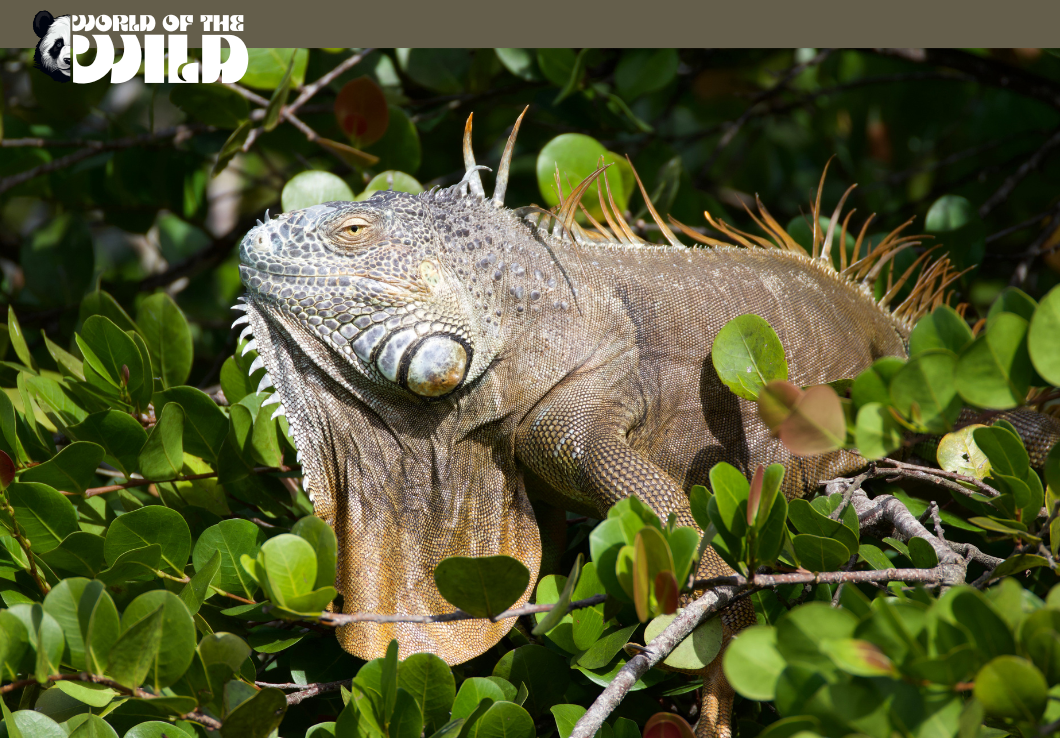

Have you ever looked at a photograph of a colossal, scaly lizard basking regally in the sun and felt a primal curiosity? You’re looking at the Iguana, a creature that seems to have crawled straight out of the Age of Dinosaurs. With their striking appearance and often intimidating size, iguanas are more than just sun-loving reptiles; they are vital architects of their tropical ecosystems, fascinating subjects of evolution, and surprisingly sophisticated animals.
In a world increasingly dominated by the quick and the clever, the iguana stands as a testament to reptilian resilience and a symbol of wild, untamed beauty. Their story is a captivating blend of deep history, specialized survival, and, increasingly, a struggle against a changing world.
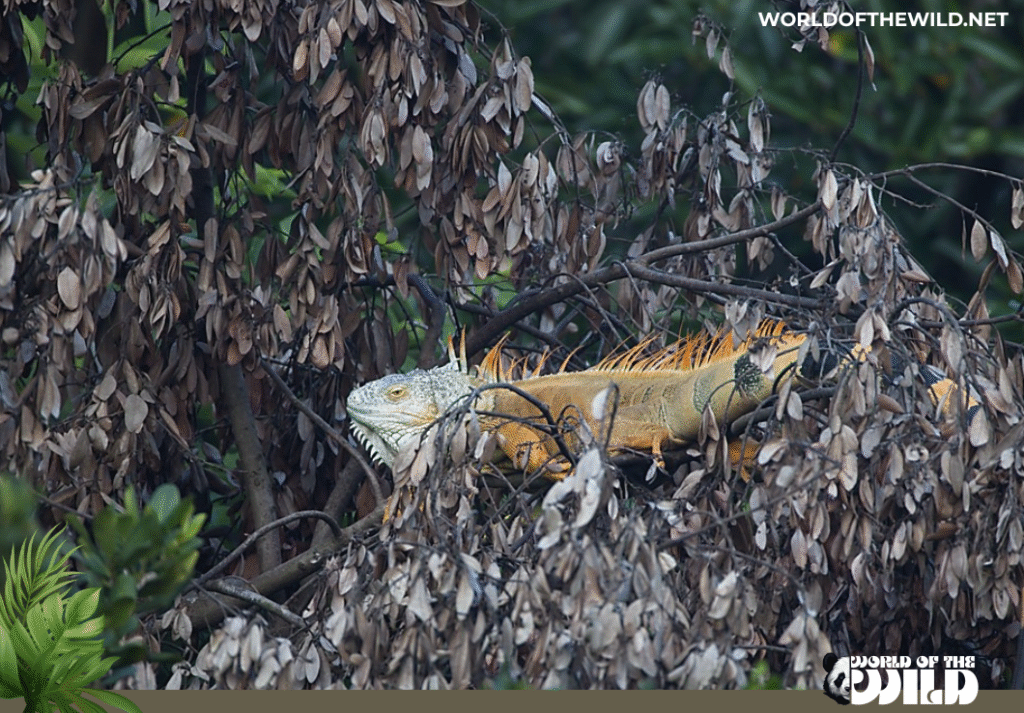
🧐 Quick Facts
Here are some intriguing tidbits that go beyond the usual lizard lore:
- Sky-High Plunge: Green iguanas are exceptional climbers and, when threatened, can survive falls from heights up to 40–50 feet by distributing the impact across their body.
- A “Third Eye”: Iguanas possess a parietal eye, or “third eye,” on the top of their heads. It doesn’t form images but is light-sensitive and helps them detect overhead predators and regulate sun exposure.
- The Sneeze of Salt: Iguanas regularly “sneeze” to expel excess salt. They have specialized glands that filter sodium from their bloodstream, which is then forcefully ejected through their nostrils.
- Sub-Zero Survivor: While cold-blooded, iguanas in places like Florida have been known to enter a temporary, catatonic state, often falling out of trees, when temperatures drop below about $45^\circ\text{F}$ ($7^\circ\text{C}$). They typically recover when the sun returns.
- Ocean Dwellers: The Marine Iguana (Amblyrhynchus cristatus), endemic to the Galápagos Islands, is the only lizard species in the world that forages in the ocean, diving to graze on algae.
- Head Bob Communication: The familiar head-bobbing and tail-wagging of iguanas are complex communication signals used to challenge rivals, attract mates, and establish dominance.
🧬 Species and Classification
The iguana belongs to a distinct and ancient branch of life, officially classified as follows:
| Rank | Classification |
| Kingdom | Animalia (Animals) |
| Phylum | Chordata (Vertebrates) |
| Class | Reptilia (Reptiles) |
| Order | Squamata (Lizards and Snakes) |
| Family | Iguanidae (Iguanids) |
| Genus | Iguana |
| Species | I. iguana (Green Iguana), I. delicatissima (Lesser Antillean Iguana) |
The term “iguana” generally refers to the members of the genus Iguana. The most well-known species is the Green Iguana (Iguana iguana), which has a vast range across Central and South America.
However, the Iguanidae family is diverse, including many other spectacular relatives:
- Marine Iguana (Amblyrhynchus cristatus): The unique, dark-colored, sea-going lizard of the Galápagos.
- Desert Iguana (Dipsosaurus dorsalis): A quick-moving species adapted to arid environments in North America.
- Rock Iguanas (Genus Cyclura): A group of large, critically endangered, endemic iguanas found exclusively in the Caribbean islands. This includes the famous Blue Iguana (Cyclura lewisi) of Grand Cayman.
📏 Appearance
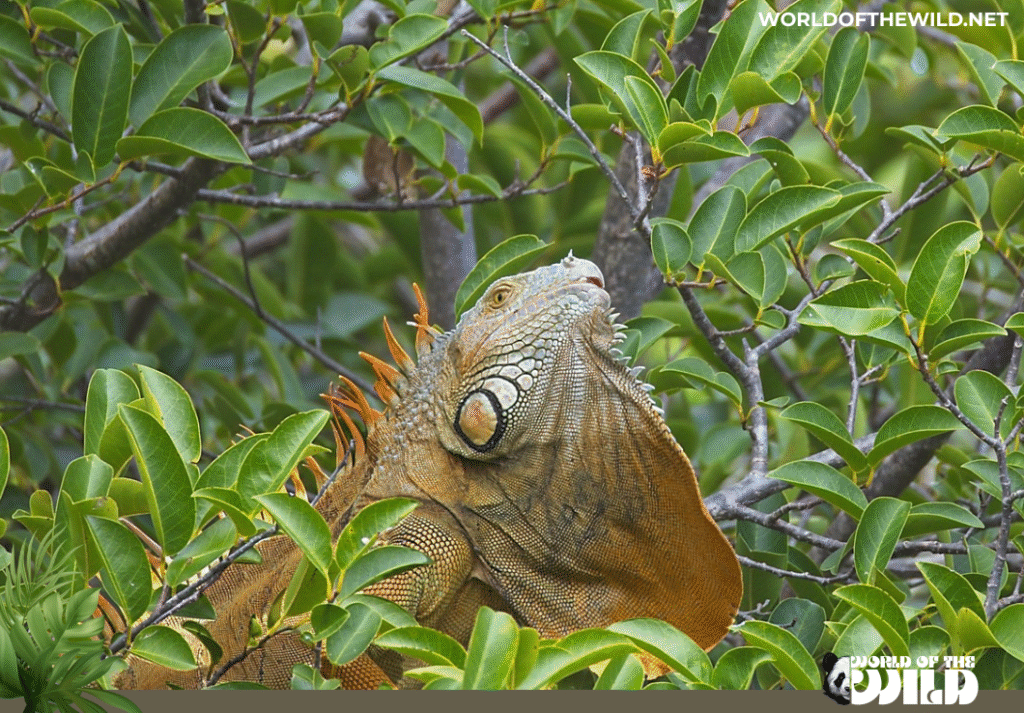
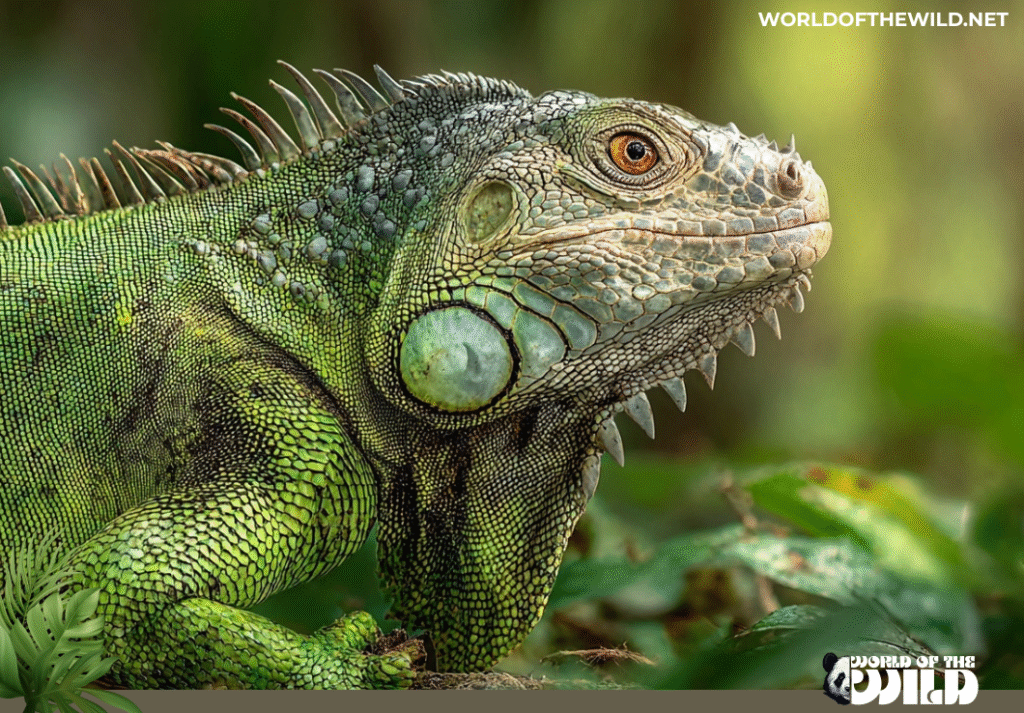
Iguanas are instantly recognizable by their rugged, prehistoric look.
- Size and Weight: The Green Iguana can reach impressive lengths of up to 6.5 feet (2 meters) from snout to tail tip, though their body is a small fraction of this. Large males can weigh over 17 pounds (7.7 kilograms).
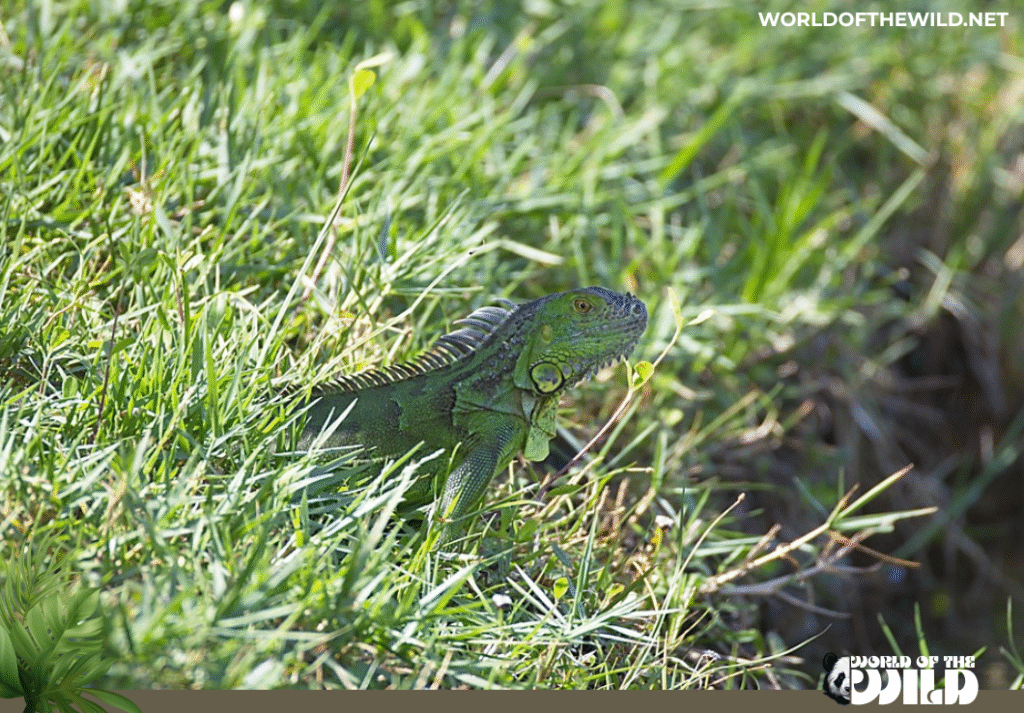
- Coloration: While the Green Iguana is typically bright emerald green, their color can shift to shades of brown, gray, or orange, especially during mating season, and often depends on their environment and emotional state.
- Distinctive Features:
- Dewlap: A prominent throat fan, or dewlap, is used for courtship, territorial displays, and thermoregulation. It is much larger in males.
- Spines/Crests: A row of sharp, flexible spines runs down the center of their back, forming a dorsal crest that is particularly pronounced in males.
- Scales: Their skin is covered in overlapping, leathery scales, often with distinctive, large, round scales on their cheeks (subtympanic shields).
- Tail: Their long, powerful tail makes up over half their body length and is used for balance, swimming, and as a powerful defense weapon.
🧠 Behavior
Iguanas are primarily diurnal (active during the day). They spend their mornings basking in the sun to raise their body temperature, which is essential for regulating their cold-blooded metabolism, and their afternoons foraging.
- Social Structure: While generally solitary, iguanas are not unsociable. They often aggregate in favorable basking or feeding areas, forming loose colonies where a dominance hierarchy is established, typically determined by size and the vigor of their head-bobbing displays.
- Communication: Their communication is primarily visual, relying on the aforementioned head-bobbing ritual, the extension of their dewlap, and changes in body color and posture. They use these signals to mediate disputes without resorting to physical combat.
- Notable Adaptations: Their excellent vision helps them spot predators, food, and social signals. When cornered, they can deliver a painful lash with their tail or bite, and, as mentioned, they are adept at swimming and diving to escape threats.
📜 Evolution
The Iguanidae family is an ancient lineage, with ancestors that separated from other lizard groups early in the evolution of the Squamata order.
- Ancient Roots: Fossil evidence suggests that iguanas and their relatives were present as far back as the Late Cretaceous period (about 100 to 66 million years ago), meaning they coexisted with the last of the non-avian dinosaurs.
- Key Milestones: The most significant evolutionary event for the iguanas was their successful dispersal across the Americas and the Caribbean. The various iguana genera, particularly the Rock Iguanas (Cyclura), are classic examples of adaptive radiation, where an ancestral species colonizes an island and diversifies rapidly to fill many available niches. The Marine Iguana is a prime example of a highly specialized evolutionary path, adapting to a marine environment that no other lizard on Earth has successfully exploited.
🗺️ Habitat
Iguanas are creatures of the warmth, largely restricted to the tropical and subtropical zones of the Americas.
- Geographic Range: The Green Iguana ranges from southern Brazil and Paraguay up through Central America and Mexico. They have also been introduced to various parts of the Caribbean and the southern United States (notably Florida) where they are now invasive.
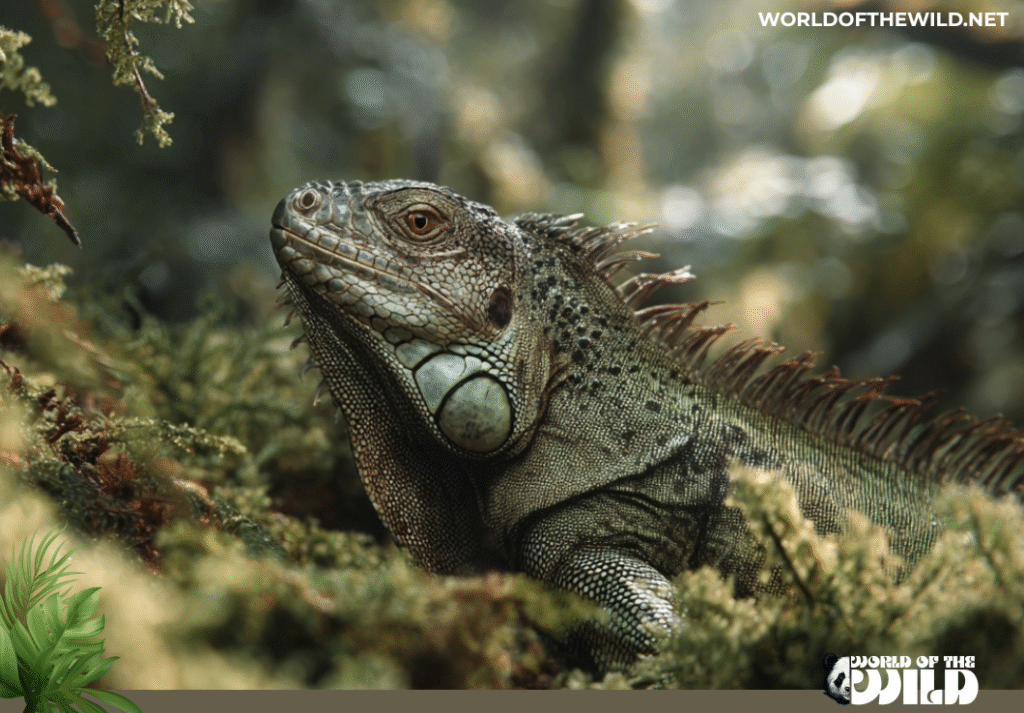
- Specific Environment: They are overwhelmingly arboreal, meaning they live in trees. Their preferred habitat is the canopy of the rainforest and dry forest ecosystems, especially areas near water sources like rivers and coastlines. They need tall trees for basking, protection from predators, and easy access to vegetation. They are adept swimmers and will readily jump into water to evade danger.
🍽️ Diet
Most iguanas are highly specialized eaters, which is surprising given their formidable appearance.
- Herbivore: The vast majority of mature iguanas, including the Green Iguana, are strict herbivores.
- Primary Food Sources: Their diet consists mainly of leaves, flowers, and fruits. They are particularly fond of young, tender leaves. They have specialized gut bacteria (symbiotic flora) essential for breaking down cellulose, the tough fiber in plant matter.
- Foraging: Iguanas are diurnal foragers, selecting leaves and flowers in the high canopy. Juveniles, being smaller and having different nutritional needs for growth, may occasionally eat insects and eggs, but this shifts to an almost entirely plant-based diet as they mature.
🚧 Predators and Threats
Despite their size and formidable defenses, iguanas face threats both natural and human-made.
Natural Predators
- Raptors: Large predatory birds, such as hawks, falcons, and owls, prey on juvenile and even smaller adult iguanas from the air.
- Snakes: Large constrictor snakes (like boa constrictors) and other carnivorous reptiles are significant predators.
- Mammals: Carnivorous mammals, including coatis, raccoons, and domestic cats/dogs in human-impacted areas, pose a threat to eggs and young.
Anthropogenic Threats
- Habitat Loss: This is the single greatest threat. Deforestation for agriculture, logging, and urban development destroys their arboreal homes and fragments their populations.
- Invasive Species: The introduction of non-native predators (e.g., rats, mongooses) on islands has devastated many endemic Rock Iguana populations by eating their eggs and hatchlings.
- Pet Trade and Poaching: Many species are collected illegally for the international pet trade. In some parts of their range, iguanas are also hunted for meat, sometimes referred to as “chicken of the tree.”
- Climate Change: Changes in temperature and precipitation patterns can disrupt their reproductive cycle and the availability of their food sources.
🥚 Reproduction and Life Cycle
Iguanas follow a characteristic reptilian reproductive strategy.
- Mating Rituals: Mating season is highly competitive. Males become intensely territorial and perform elaborate displays—intense head-bobbing and dewlap extensions—to ward off rivals and attract females. Successful males physically dominate rivals and pursue females relentlessly.
- Gestation and Laying: After a gestation period of about 65 days, the female iguana will dig an elaborate nesting burrow, often in sandy or well-drained soil. She lays a clutch of between 20 and 70 eggs.
- Offspring and Parental Care: Iguanas exhibit no parental care after the eggs are laid. The eggs hatch after an incubation period of 90–120 days. Hatchlings are small, vulnerable replicas of their parents and must fend for themselves immediately.
- Lifespan: In the wild, iguanas typically live for 8 to 15 years, but in protected captivity, they can live for 20 years or more.
📉 Population and Conservation Status
The conservation status of iguanas varies dramatically across the family, highlighting the need for species-specific conservation efforts.
- Green Iguana (Iguana iguana): Generally classified as Least Concern (LC) due to its wide geographic range and large global population. However, some regional populations are declining due to over-harvesting and habitat loss.
- Lesser Antillean Iguana (Iguana delicatissima): Classified as Critically Endangered (CR). Its native population has been severely reduced due to habitat destruction and hybridization with the invasive Green Iguana.
- Rock Iguanas (Cyclura species): Many species in this genus, such as the Grand Cayman Blue Iguana and the Jamaican Iguana, are classified as Critically Endangered (CR), with only a few hundred individuals remaining in the wild.
- Population Trends: While the Green Iguana is thriving, often to the point of becoming an invasive pest in places like Florida and the Caribbean, most of the endemic island species are facing a high risk of extinction. Active conservation programs, including captive breeding and reintroduction, have been critical for the survival of many of the endangered Cyclura species.
💚 Conclusion: A Call for Coexistence
The iguana is a majestic and enduring figure, a living piece of biological history that has survived eons of change. From the vast, thriving population of the adaptable Green Iguana to the precarious existence of the stunning Blue Iguana, their story is a potent reminder of the incredible biodiversity packed into the world’s tropical habitats.
Their sheer existence—their specialized diet, their elaborate communication, and their evolutionary journey—offers a profound lesson in adaptation. However, the fate of many species now rests squarely on our shoulders. Conservation is not just about protecting the rarest animals; it’s about protecting the intricate, beautiful balance of the entire ecosystem.
The iguana doesn’t just need to survive; it needs to thrive. Will you support the efforts to protect its irreplaceable island habitats, ensuring that this tropical dragon continues to grace our planet for generations to come?