
Picture a creature that has walked the Earth for more than 50 million years, survived ice ages and continental shifts, yet now teeters on the edge of extinction because of a horn made of the same material as your fingernails. The rhinoceros, one of nature’s most magnificent megafauna, embodies both prehistoric power and heartbreaking vulnerability. These armored giants, with their prehistoric silhouettes and surprising agility, represent a direct link to the age of megafauna—a window into a wilder world that once was. Today, rhinoceroses stand as both icons of conservation efforts and sobering reminders of humanity’s impact on the natural world, making them among the most critically important animals for us to understand and protect.
Facts
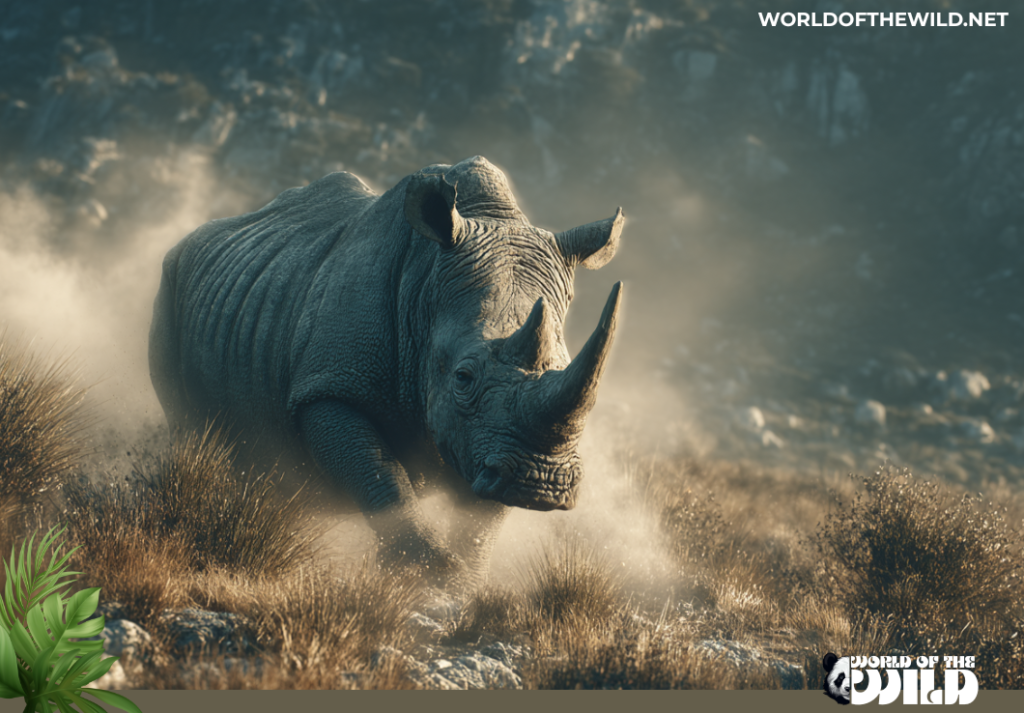
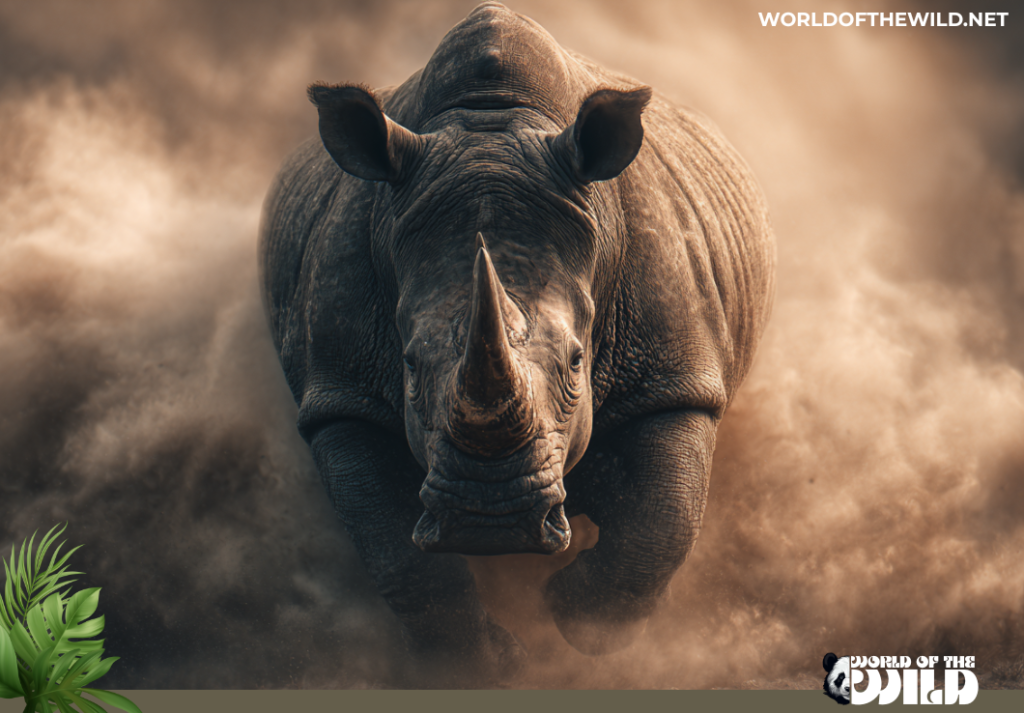
- Speed Demons in Disguise: Despite weighing up to 2,300 kilograms, rhinos can sprint at speeds up to 50-55 kilometers per hour—faster than most humans can run—making them surprisingly dangerous when charging.
- Near-Sighted Sentinels: Rhinoceroses have notoriously poor eyesight and can’t clearly see a motionless person standing just 30 meters away, relying instead on their exceptional hearing and sense of smell to navigate their world.
- Ancient Swimmers: Rhinos are excellent swimmers and have been observed enjoying water so much that they’ll spend hours wallowing in mud baths, which serves as natural sunscreen and insect repellent.
- Horn Growth: A rhino’s horn isn’t bone but rather compressed keratin fibers that grow continuously throughout its life, similar to how your hair grows, at a rate of about 7 centimeters per year.
- Vocal Communicators: Rhinos produce at least ten different vocalizations, including grunts, growls, snorts, and even a surprisingly high-pitched squeak when alarmed or calling their young.
- Symbiotic Partnerships: Oxpeckers, small African birds, form cleaning partnerships with rhinos, eating ticks and parasites from their skin while also serving as living alarm systems when danger approaches.
- Surprisingly Long-Lived: In protected environments, rhinos can live 35-50 years, with some individuals in captivity reaching their mid-50s, giving them decades to learn and adapt to their territories.
Species
Kingdom: Animalia
Phylum: Chordata
Class: Mammalia
Order: Perissodactyla
Family: Rhinocerotidae
Genus: Multiple genera (Ceratotherium, Diceros, Rhinoceros, Dicerorhinus)
Species: Five extant species
The rhinoceros family comprises five distinct species divided between Africa and Asia. The African continent hosts the White Rhinoceros (Ceratotherium simum) and the Black Rhinoceros (Diceros bicornis), both sporting two horns. The White rhino is actually split into two subspecies: the Southern White Rhino, which has made a remarkable recovery from near extinction, and the Northern White Rhino, functionally extinct with only two females remaining.
Asia is home to three species: the Indian Rhinoceros (Rhinoceros unicornis), also called the Greater One-horned Rhino; the Javan Rhinoceros (Rhinoceros sondaicus); and the Sumatran Rhinoceros (Dicerorhinus sumatrensis). The Asian species are characterized by a single horn, except for the Sumatran rhino, which has two smaller horns. Each species has evolved unique adaptations to their specific environments, from the armor-like skin folds of the Indian rhino to the smaller, hairier frame of the Sumatran rhino.
Appearance
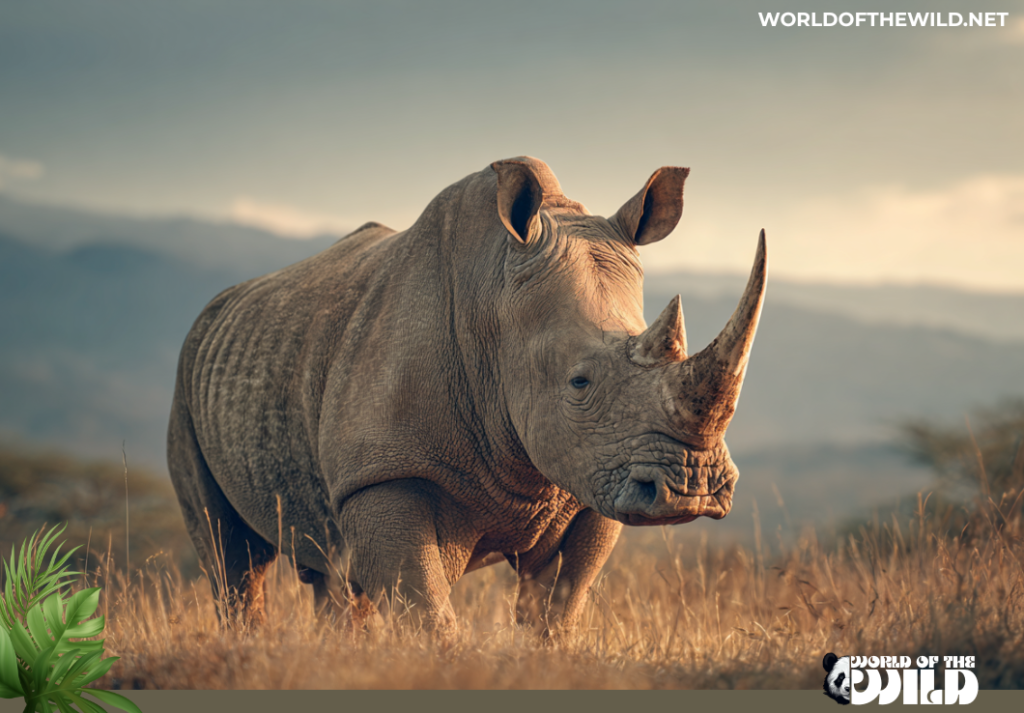
Rhinoceroses are among the largest land mammals on Earth, second only to elephants. The White rhino claims the title of largest rhino species, with males weighing between 2,000-2,300 kilograms and standing 1.7-1.8 meters at the shoulder, while females are somewhat smaller. In contrast, the Sumatran rhino is the smallest species, weighing just 600-950 kilograms and standing about 1.2-1.4 meters tall.
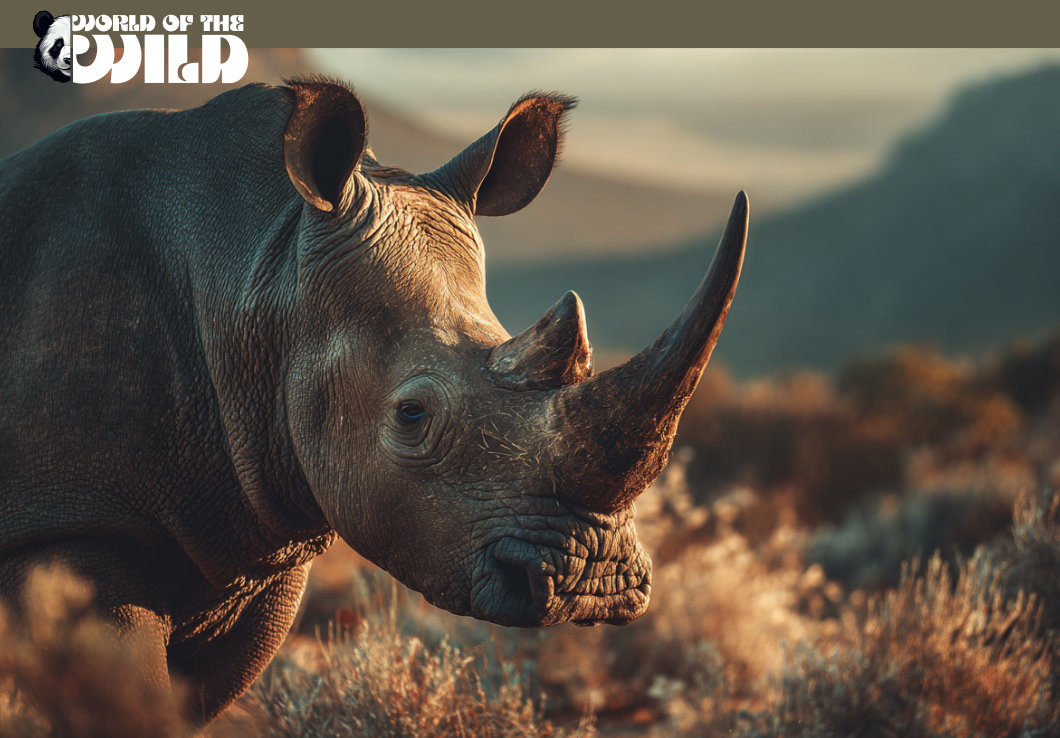
The most distinctive feature of any rhinoceros is, of course, its horn—or horns. African species possess two horns stacked one behind the other, with the front horn typically being longer. The record-length rhino horn measured an astounding 1.5 meters. Asian species generally have a single horn, except the Sumatran rhino. These horns grow from the skin rather than the skull, composed entirely of keratin, the same protein that forms human hair and nails.
Rhino skin appears thick and armor-like, ranging from 1.5 to 5 centimeters thick, providing protection against thorns, insects, and even predators. Coloration varies from slate gray to brown, though rhinos often appear the color of the local mud they’ve recently wallowed in. The Indian rhino possesses distinctive deep folds in its skin, creating an appearance reminiscent of armored plating. Despite their thickness, rhino skin is quite sensitive and susceptible to sunburn and insect bites, which explains their love of mud bathing.
Their heads are large and somewhat elongated, with small eyes positioned on the sides, tubular ears that can rotate independently to detect sounds, and—in browsing species like the Black rhino—a prehensile upper lip that functions like a miniature trunk to grasp vegetation.
Behavior
Rhinoceroses are primarily solitary animals, with adult males (bulls) and females (cows) typically coming together only for mating. However, social structures vary by species. White rhinos are notably more social, with females and their offspring sometimes forming small groups called “crashes,” while territorial bulls maintain exclusive ranges. Black rhinos are decidedly more solitary and have earned a reputation for being more aggressive and unpredictable.
Rhinos are crepuscular, most active during the cooler hours of dawn and dusk, spending the hottest parts of the day resting in shade or wallowing in mud pools. These mud baths serve multiple critical functions: thermoregulation in hot climates, protection from biting insects, and a coating that prevents sunburn on their sensitive skin.
Communication among rhinos involves multiple sensory channels. They mark territories with dung middens—communal defecation sites that can grow quite large and serve as information centers where rhinos can identify individuals, assess reproductive status, and determine territorial boundaries. They also use urine spraying, with males walking backward while urinating to spread scent over a wider area. Vocalizations range from threatening snorts and aggressive roars to the tender mewing sounds mothers use to communicate with calves.
Despite their poor eyesight, rhinos demonstrate remarkable spatial memory, learning their territories intimately and following well-worn pathways between feeding areas, water sources, and wallows. They’re more intelligent than commonly assumed, capable of problem-solving and demonstrating individual personalities ranging from placid and curious to irritable and aggressive.
Evolution
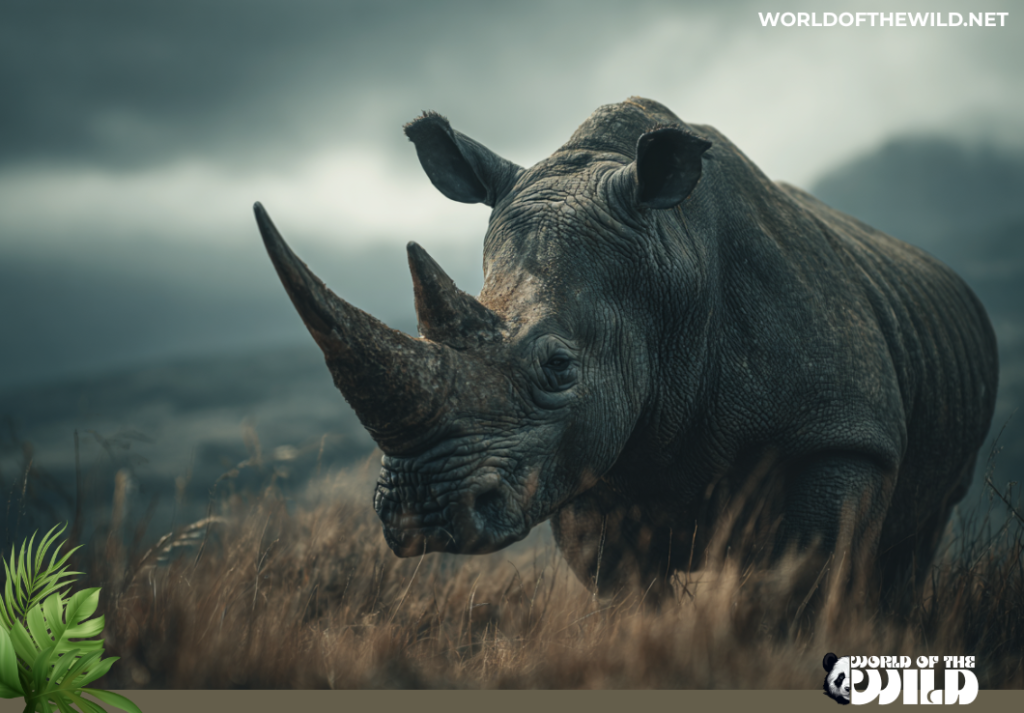
The evolutionary history of rhinoceroses stretches back approximately 50 million years to the Eocene epoch, when their ancestors first diverged from other perissodactyls (odd-toed ungulates that include horses and tapirs). The earliest rhino ancestors were small, hornless creatures quite unlike their modern descendants.
During the Oligocene epoch, around 26 million years ago, rhinos experienced an explosive radiation, evolving into numerous forms that occupied diverse ecological niches. Some species, like Paraceratherium (formerly Indricotherium), became the largest land mammals ever to walk the Earth, standing 5 meters tall at the shoulder and weighing up to 20 tons—hornless giants that browsed from treetops like giraffes.
The Ice Ages proved both challenging and transformative for rhino evolution. The famous Woolly Rhinoceros (Coelodonta antiquitatis) adapted to harsh glacial climates with thick fur, small ears, and a stocky build optimized for heat retention. These cold-adapted rhinos thrived across northern Eurasia until approximately 10,000 years ago, their remains frequently discovered in frozen Siberian permafrost.
Modern rhinoceros species represent the surviving branches of a once-vast family tree that included dozens of species across multiple continents. The evolution of their characteristic horns occurred relatively recently in geological terms, likely as adaptations for defense, vegetation manipulation, and intraspecific combat. Today’s five species are relicts of this grand evolutionary heritage, making their current plight all the more poignant.
Habitat
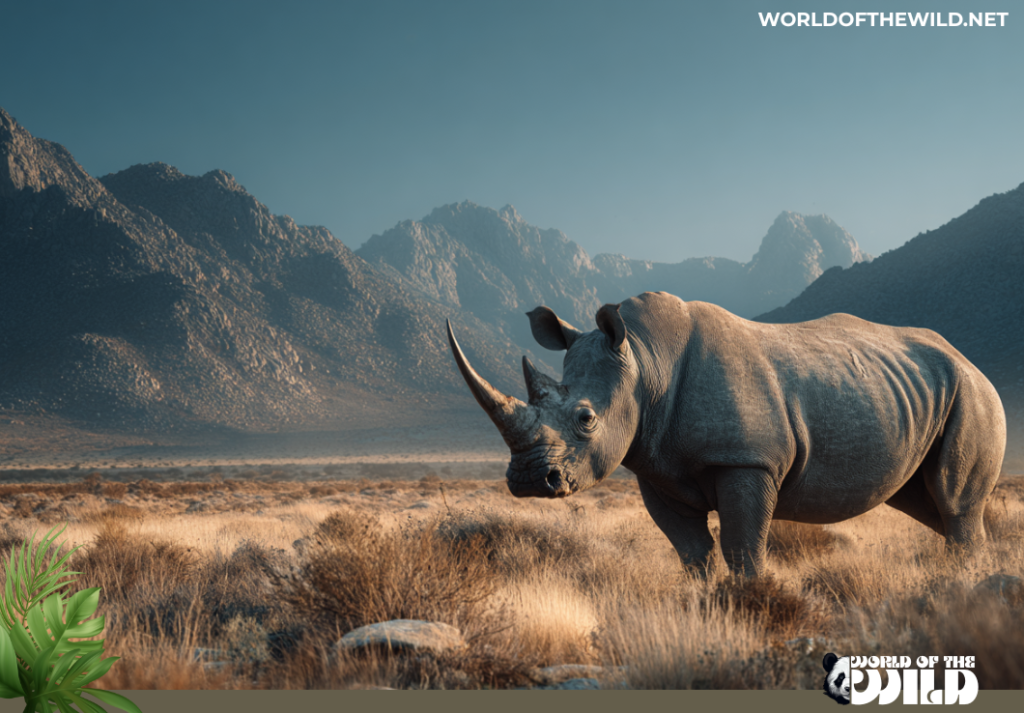
Rhinoceroses inhabit a diverse range of ecosystems across Africa and Asia, though their current distributions represent mere fragments of their historical ranges. African rhinos occupy two distinct regions: White rhinos prefer grassland and savanna habitats in southern and eastern Africa, particularly in countries like South Africa, Namibia, Zimbabwe, and Kenya. Black rhinos, though historically found across sub-Saharan Africa, now persist in scattered populations in Kenya, Tanzania, Namibia, South Africa, and Zimbabwe, favoring denser bushland, thickets, and woodland edges where browsing opportunities abound.
The Greater One-horned Rhinoceros inhabits the tall grasslands and riverine forests of the Indian subcontinent, particularly in protected areas of northeastern India and Nepal. These rhinos thrive in the flood plains and adjacent areas of the Ganges, Brahmaputra, and Indus river systems, requiring access to rivers, swamps, and pools for their extensive wallowing behavior.
The Javan Rhinoceros, once widespread across Southeast Asia, now exists in a single population in Ujung Kulon National Park on the western tip of Java, Indonesia. These critically endangered rhinos inhabit lowland tropical rainforest, particularly areas with thick vegetation near rivers and mud wallows.
Sumatran Rhinoceroses, the smallest and hairiest species, live in both lowland and highland tropical forests, including areas up to 2,500 meters in elevation. Their remaining populations persist in fragmented patches across Indonesia (Sumatra, Borneo) and possibly Malaysia, preferring dense tropical rainforest near water sources.
All rhino species require certain habitat features: accessible water for drinking and wallowing, appropriate vegetation for food, adequate space for territorial ranges, and areas offering protection from extreme heat. Sadly, suitable habitat continues to shrink due to human encroachment.
Diet
All five rhinoceros species are strictly herbivorous, though their feeding strategies differ significantly based on their anatomy and habitat. Rhinos fall into two feeding categories: grazers and browsers.
White rhinos are quintessential grazers, equipped with wide, square lips perfectly adapted for cropping short grasses. They feed primarily on grass species, consuming up to 50 kilograms of vegetation daily. Their heads are positioned low to the ground, and they spend up to half their waking hours feeding, moving methodically across grasslands like living lawnmowers.
Black rhinos, by contrast, are browsers with pointed, prehensile upper lips that function like miniature fingers, allowing them to grasp twigs, leaves, and branches. They feed on woody plants, thorny shrubs, and herbs, showing particular fondness for acacia species despite (or perhaps because of) their formidable thorns. Their hooked lip can delicately pluck leaves or break branches up to 3 centimeters in diameter.
The Greater One-horned Rhino is a flexible feeder, grazing on tall grasses along riverbanks but also browsing on shrubs, agricultural crops, and aquatic vegetation. They’ll even consume aquatic plants while partially submerged, demonstrating remarkable dietary adaptability.
Javan and Sumatran rhinos are both browsers, feeding on shoots, twigs, leaves, and fallen fruit in their forest habitats. The Sumatran rhino is particularly fond of young saplings and will bend or break small trees to access tender upper branches.
Rhinos are hindgut fermenters, processing large quantities of relatively low-quality vegetation through a digestive system that includes bacterial fermentation in an enlarged cecum, though they’re less efficient than ruminants like cattle.
Predators and Threats
Adult rhinoceroses have virtually no natural predators due to their massive size, thick skin, and formidable horns. However, young calves are vulnerable to attacks from large predators. In Africa, lion prides occasionally target rhino calves when opportunities arise, though this is relatively rare. Crocodiles present a threat to rhinos of all ages when drinking or wallowing, particularly to vulnerable youngsters. In Asia, tigers have been documented attacking young Indian rhino calves, though again, such predation is uncommon.
The true threat to rhinoceroses comes entirely from human activities. Poaching for rhino horn represents the most immediate and devastating threat to all species. Despite rhino horn having no proven medicinal properties—it’s chemically similar to fingernails—demand persists in certain Asian markets where it’s valued for traditional medicine and as a status symbol. This lucrative illegal trade has driven systematic slaughter, with organized criminal networks using increasingly sophisticated methods including helicopters, night-vision equipment, and veterinary tranquilizers.
Habitat loss and fragmentation constitute the second major threat. Agricultural expansion, logging, human settlement, and infrastructure development continue to shrink and fragment rhino habitats, isolating populations and reducing genetic diversity. Small, isolated populations face increased vulnerability to disease, inbreeding, and local extinction events.
Climate change poses emerging threats through altered rainfall patterns affecting water availability and vegetation composition. Civil unrest and warfare in rhino range countries compromise conservation efforts and create ungoverned spaces where poaching flourishes unchecked.
Human-wildlife conflict also threatens rhinos, particularly in areas where they raid crops or come into contact with settlements, sometimes resulting in retaliatory killings.
Reproduction and Life Cycle
Rhinoceros reproduction is characterized by long gestation periods, extended parental care, and slow population growth rates—factors that make population recovery particularly challenging. Female rhinos reach sexual maturity between 4-7 years of age depending on species, while males mature slightly later at 7-10 years, though dominant males may prevent younger bulls from breeding until they’re much older.
Rhinos don’t have specific breeding seasons in most cases, with females entering estrus cyclically throughout the year. Mating occurs after elaborate courtship behaviors that can appear quite aggressive, with bulls pursuing females persistently, using vocalizations, scent-marking, and physical contact. Males may stay with receptive females for several days or weeks.
Gestation periods are among the longest in the animal kingdom, ranging from 15-16 months depending on species. Females typically give birth to a single calf, with twins being extraordinarily rare. The newborn calf weighs 40-65 kilograms and can stand within hours of birth, though it remains dependent on its mother.
Mother-calf bonds are intense and enduring. Calves nurse for up to two years, though they begin sampling vegetation within a few weeks of birth. Young rhinos remain with their mothers for 2-4 years, learning essential survival skills including identifying food sources, locating water, recognizing danger, and navigating their territory. Mothers are fiercely protective and will aggressively defend their offspring against any threat.
The interbirth interval typically spans 2-4 years, meaning a female might produce only 10-12 calves during her entire reproductive life. This slow reproductive rate makes rhino populations highly vulnerable to any increase in mortality, whether from poaching, disease, or other causes.
In the wild, rhinos can live 35-40 years on average, with some individuals reaching 50 years in protected environments. Captive rhinos occasionally exceed these ages with proper veterinary care and protection from environmental stressors.
Population
The conservation status of rhinoceros species ranges from Near Threatened to Critically Endangered, representing one of wildlife conservation’s most urgent priorities. Current global estimates place the total wild rhino population at approximately 27,000-30,000 individuals, though this figure masks dramatic disparities between species.
The White Rhinoceros represents a conservation success story for the Southern subspecies, with approximately 18,000 individuals—rebounded from fewer than 100 in the early 1900s through intensive protection and management. However, the Northern White Rhino is functionally extinct, with only two elderly females remaining, kept under 24-hour armed guard in Kenya.
The Black Rhinoceros is classified as Critically Endangered, with approximately 6,000 individuals remaining after recovering from a population low of just 2,400 in the mid-1990s. Intensive anti-poaching efforts and population management programs have enabled slow recovery, though they remain highly vulnerable.
The Greater One-horned Rhinoceros numbers approximately 4,000 individuals, upgraded from Endangered to Vulnerable status thanks to successful conservation programs in India and Nepal, representing another qualified success story.
The Javan Rhinoceros is Critically Endangered with fewer than 80 individuals surviving in a single population in Ujung Kulon National Park, Indonesia, making it one of the rarest large mammals on Earth. Their extreme isolation in one location makes them extraordinarily vulnerable to catastrophic events.
The Sumatran Rhinoceros is Critically Endangered with fewer than 80 individuals scattered across fragmented populations in Indonesia and Malaysia. Population trends are decidedly negative, with local extinctions occurring and remaining populations often too small and isolated for natural recovery.
Recent trends show mixed results: increased anti-poaching efforts have stabilized some populations, but poaching remains intense, and habitat pressures continue mounting. Several subspecies have gone extinct in recent decades, including the Western Black Rhino (declared extinct in 2011) and the Vietnamese Javan Rhino (last individual killed by poachers in 2010).
Conclusion
Rhinoceroses stand at a pivotal moment in their 50-million-year evolutionary journey. These magnificent creatures, which survived ice ages, continental shifts, and encounters with our human ancestors, now face their greatest existential threat from modern poaching and habitat destruction. Yet their story is not without hope—the dramatic recoveries of Southern White Rhinos and Greater One-horned Rhinos demonstrate that with sufficient political will, resources, and community engagement, these ancient giants can be pulled back from the brink.
The fate of rhinoceroses serves as a litmus test for humanity’s commitment to sharing Earth with other species. Every rhino represents not just an individual life but a thread in the complex tapestry of ecosystem function, a link to deep evolutionary history, and a living reminder of the wildness that makes our planet extraordinary. As you consider the plight of these armored herbivores, remember that conservation isn’t merely about saving species from extinction—it’s about preserving the wonder, diversity, and ecological integrity that make life on Earth so remarkable. Support conservation organizations, advocate for stronger wildlife protection policies, and remember that in saving rhinos, we ultimately save part of ourselves.
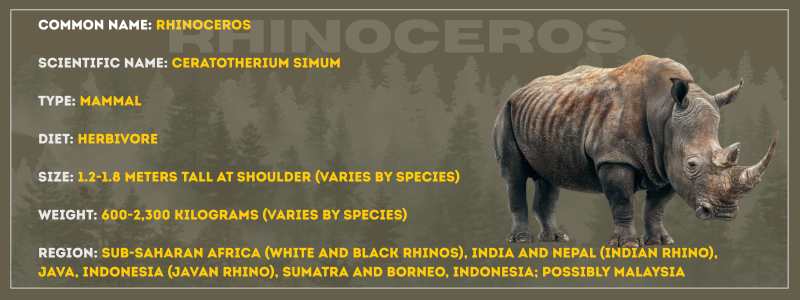
Scientific Name: Ceratotherium simum (White), Diceros bicornis (Black), Rhinoceros unicornis (Indian), Rhinoceros sondaicus (Javan), Dicerorhinus sumatrensis (Sumatran)
Diet Type: HerbivoreSize: 1.2-1.8 meters tall at shoulder (varies by species)
Weight: 600-2,300 kilograms (varies by species)
Regions Found: Sub-Saharan Africa (White and Black Rhinos), India and Nepal (Indian Rhino), Java, Indonesia (Javan Rhino), Sumatra and Borneo, Indonesia; possibly Malaysia (Sumatran Rhino)