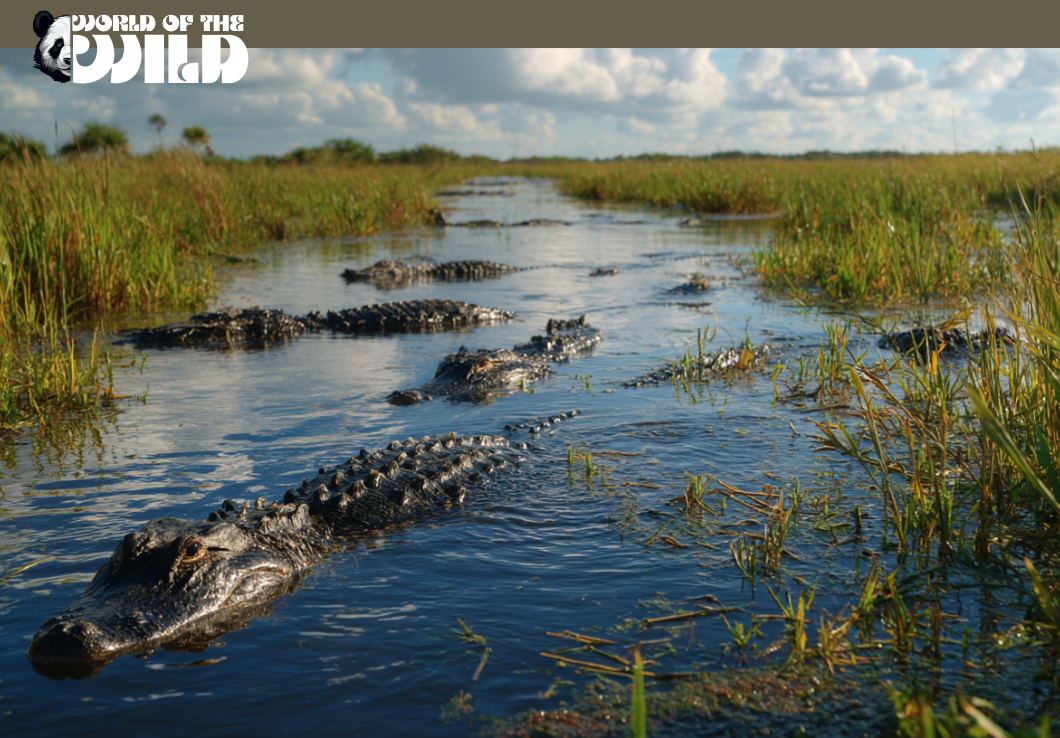

The very name, Everglades, conjures an image of a primordial, brooding wilderness—a land of mist-shrouded cypress trees, lurking alligators, and the silent, slow-moving current of life. Yet, to call it a swamp is to profoundly misunderstand its nature. It is a masterpiece of hydrology, a subtle, sweeping wonder known simply and poetically as the River of Grass. Stretching across the southern tip of the Florida peninsula, this vast, shallow ecosystem is far more than just a national park; it is a critical artery of life, a sentinel of biodiversity, and a global environmental imperative.
For our species and all the others that share this blue marble, the health of the Everglades is inextricably linked to our own future. This article delves into the unparalleled biological significance of the Everglades, exploring the unique habitats that define it, the iconic species it sustains, its vital role in global ecology, and the powerful threats that relentlessly challenge its survival.
The Unique Ecosystem: A River of Grass Defined
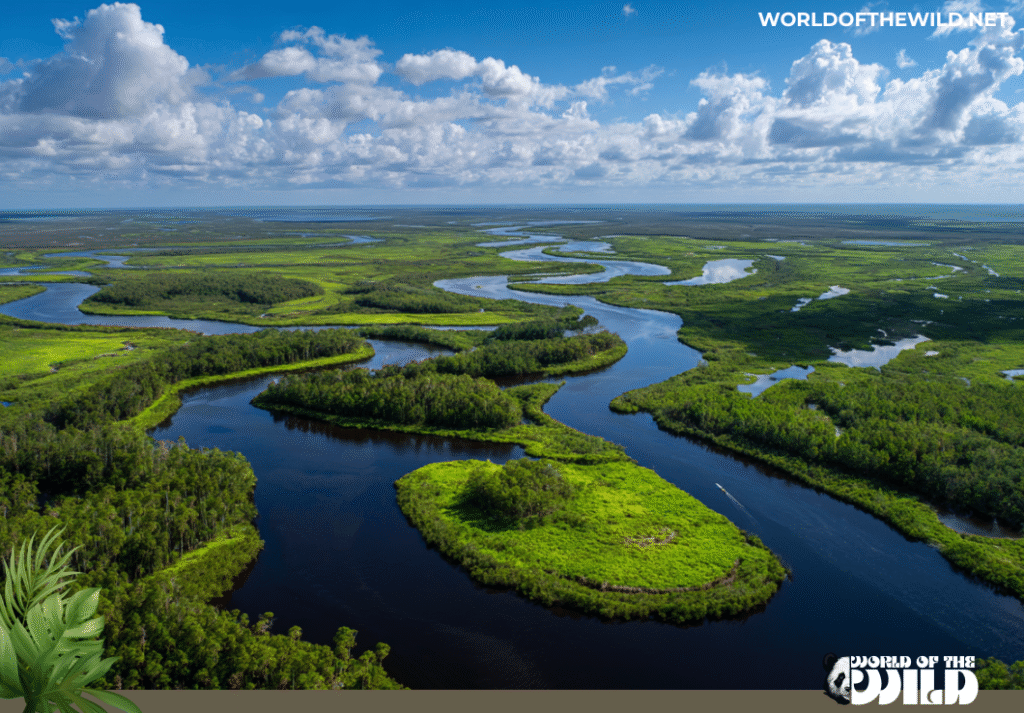
To appreciate the Everglades, one must first grasp its fundamental hydrological character. It is not a river in the traditional sense, but a colossal, shallow sheet of water, historically up to sixty miles wide and a mere few inches deep, that flows at a glacial pace of less than a quarter mile a day. This slow, continuous movement is the ecosystem’s pulse.
The Hydrological Engine: From Kissimmee to the Bay
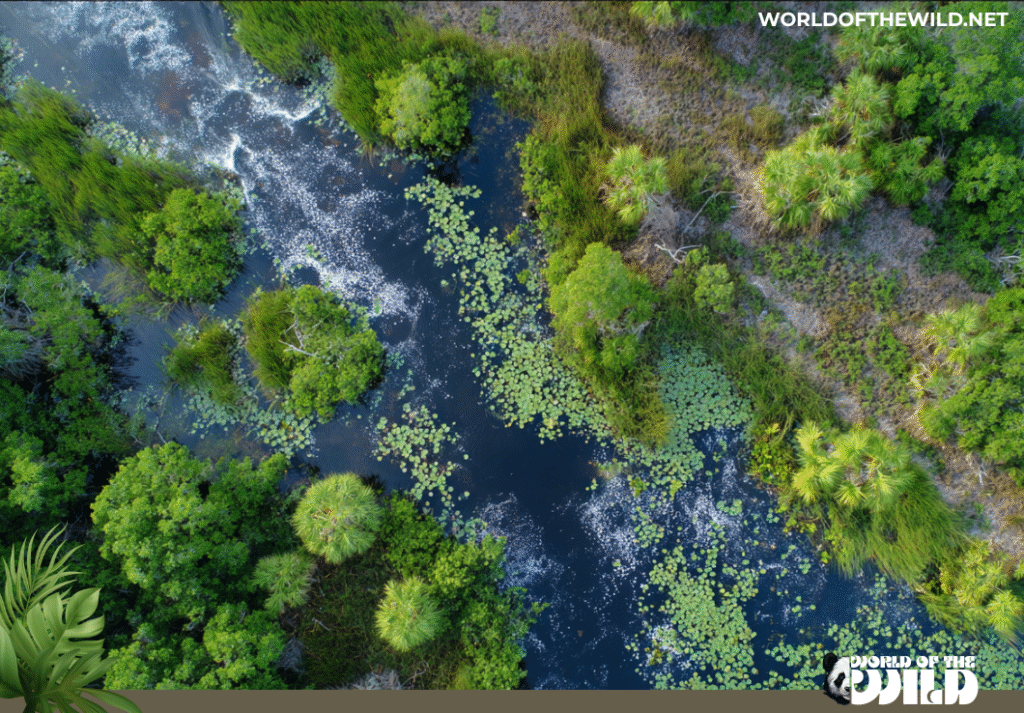
The journey of the Everglades’ water is a complex saga spanning over 18,000 square miles. The system begins far to the north, in the Kissimmee River, which historically meandered into Lake Okeechobee. When the lake’s water levels rose during the wet season, the water would spill over the southern rim, beginning its sluggish descent south towards the Florida Bay. This sprawling, gradual flow created a mosaic of interdependent habitats:
- Sawgrass Marshes: The defining feature. Dominated by sawgrass (Cladium mariscus), a sedge with finely serrated edges, these areas cover vast stretches and depend on the continuous sheet flow of water. The depth and duration of flooding—the hydroperiod—determine the type of plant community that thrives.
- Cypress Swamps and Domes: Slightly elevated areas where bald cypress trees (Taxodium distichum) thrive. In the heart of the Everglades, these trees form distinct circular clumps called cypress domes, where the trees at the center are taller because they are in the deepest water. These areas provide critical refuge during dry periods.
- Pine Rocklands: One of the most endangered ecosystems in the world, found on higher ground in the eastern Everglades. They are characterized by a thin layer of soil over limestone bedrock and are maintained by natural fire cycles, supporting a dazzling array of endemic plants, including rare orchids.
- Mangrove Estuaries: Where the freshwater sheet meets the salt of the Gulf of Mexico and Florida Bay, the environment transitions into dense, tangled forests of Red, Black, and White Mangroves. This mixing zone, known as an estuary, is one of the most productive nurseries for marine life on the planet.
This delicate interplay of water depth, salinity, and hydroperiod is what generates the immense biological complexity of the Everglades. Disturb the flow, and you unravel the entire ecological tapestry.
Biodiversity Hotspot: Home to Iconic Species
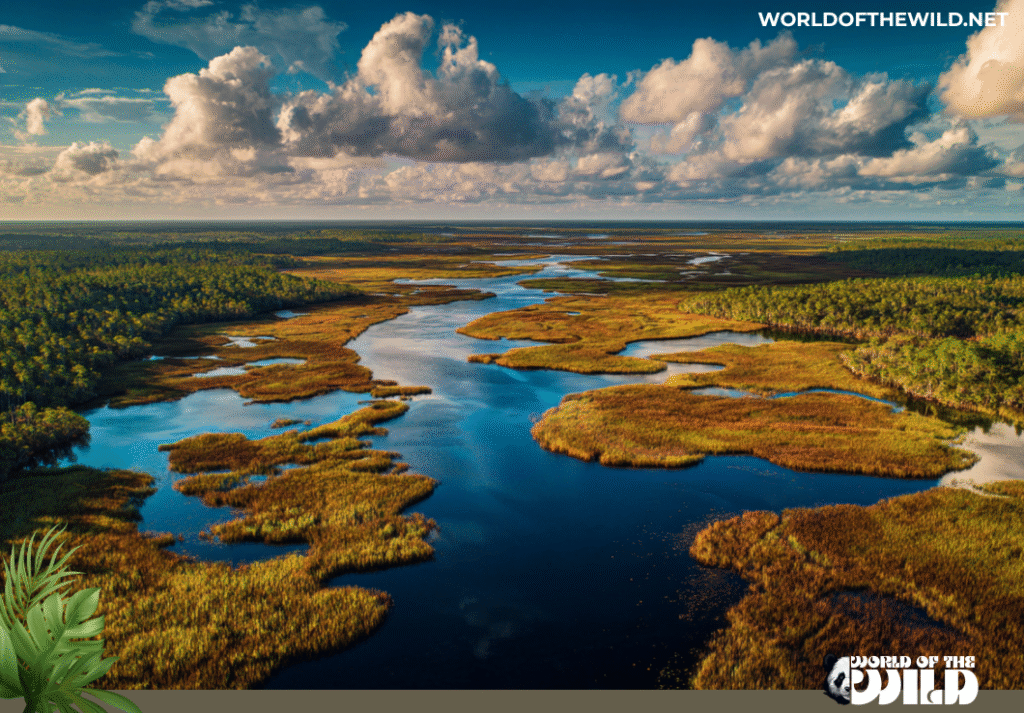
The Everglades is a land of extremes, surviving both flood and drought, which has led to a remarkable adaptation and concentration of life. It is the only place on Earth where alligators and crocodiles coexist, sharing the brackish waters of the coastal zones. This region is a true biological melting pot, hosting species from temperate, subtropical, and tropical zones.
The Ecosystem Engineers: Alligators and Wading Birds
At the heart of the Everglades food web is the American Alligator (Alligator mississippiensis). Far from being merely a formidable predator, the alligator is a keystone species—a creature whose presence and activities dictate the survival of many others. During the dry season, alligators instinctively dig out deep depressions in the mud, known as gator holes. These holes fill with water and become life rafts for fish, turtles, insects, and small mammals, ensuring their survival until the rains return.
The Everglades is also world-renowned as a vital staging and nesting ground for spectacular wading birds. These feathered jewels are often used as indicator species for the health of the ecosystem:
- Roseate Spoonbill (Platalea ajaja): With their unique, spatulate bills, these brilliant pink birds flock to the shallows, their numbers reflecting the health of the fish and crustacean populations in Florida Bay.
- Great Blue Heron (Ardea herodias), Great Egret (Ardea alba), and White Ibis (Eudocimus albus): Their massive nesting colonies (rookeries) depend on a perfectly timed water cycle. If water levels are too high or too low at the wrong time of the year, the birds cannot successfully fledge their young, leading to catastrophic population crashes.
The Apex Predators: The Florida Panther
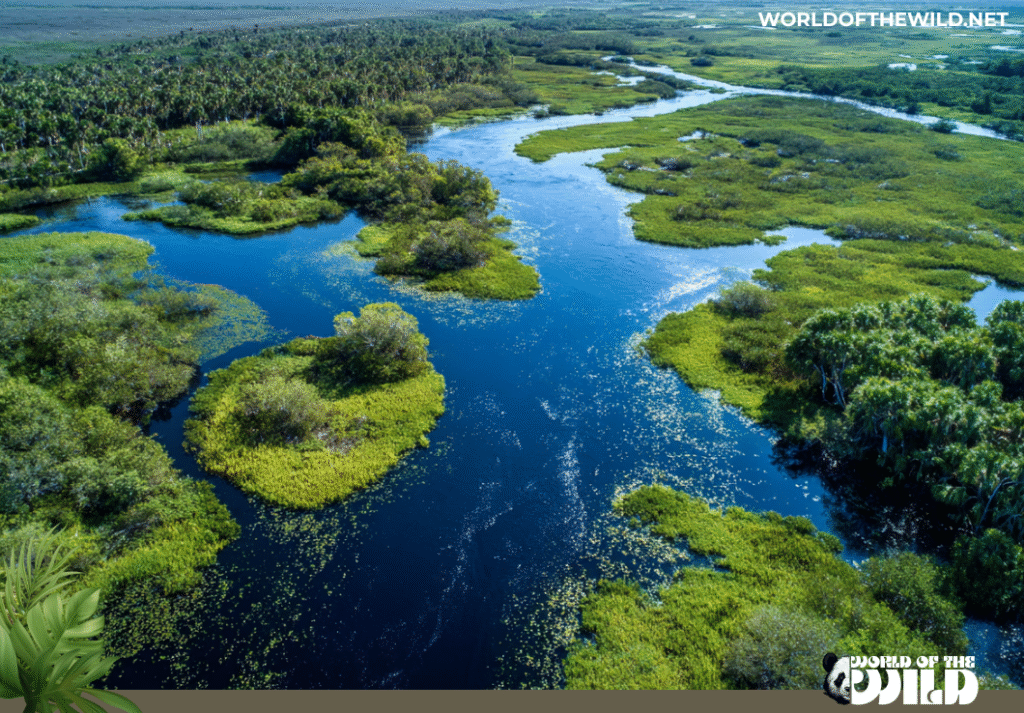
No discussion of the Everglades is complete without mentioning its most elusive and endangered resident: the Florida Panther (Puma concolor coryi). This subspecies of mountain lion is one of the most endangered mammals on Earth, with a population estimated to be barely over 200 individuals. The Everglades National Park and the neighboring Big Cypress National Preserve form the core of its remaining habitat.
The panther’s survival is a critical barometer for the entire ecosystem. As an apex predator, it requires vast territories of healthy, intact wilderness and a sustainable population of deer, hogs, and other prey. Protecting the panther necessitates protecting the entire, expansive food web and preventing habitat fragmentation, making its conservation efforts synonymous with preserving the Everglades itself.
The Coastal Guardians: Manatees and Crocodiles
The coastal margins of the Everglades offer sanctuary to other incredible animals. The gentle, slow-moving Florida Manatee (Trichechus manatus latirostris) finds refuge in the mangrove channels and warm waters. Meanwhile, the rarer and more salt-tolerant American Crocodile (Crocodylus acutus) builds its nests in the brackish waters and protected coves of the estuaries, illustrating the area’s transition into a tropical environment.
The sheer volume of life—from the tiny, iridescent damselflies of the pinelands to the enormous schools of snook and tarpon in the Bay—makes the Everglades a global biological treasure chest, a gene pool of immeasurable value.

Global Significance: Why the Everglades Matters to the Planet
The importance of the Everglades stretches far beyond its stunning aesthetic and impressive biodiversity. Its ecological services have planetary implications, influencing regional climate, stabilizing coastal zones, and—most critically—providing a lifeline of clean water to millions of people.
The Water Well: Sustaining South Florida’s Future
Perhaps the most direct and crucial service the Everglades provides is its function as a natural water storage and purification system. The marsh acts as a giant sponge, slowly filtering and recharging the underlying aquifer systems, primarily the Biscayne Aquifer. This single, massive freshwater reservoir provides drinking water for nearly nine million residents and countless businesses across the entire southern Florida megalopolis, including Miami, Fort Lauderdale, and West Palm Beach.
The filtration process is a slow, natural marvel. As the sheet of water moves across the limestone bedrock and through the dense vegetation, organic matter and pollutants are naturally sequestered, delivering a consistent supply of clean, usable water. Altering the flow, or introducing excessive pollutants, risks contaminating the drinking supply for one of the most densely populated coastal regions in the United States, illustrating a direct economic and public health link to the ecosystem’s integrity.
Climate Defenders: Carbon Sequestration and Coastal Resilience
In the global battle against climate change, the Everglades plays a silent yet significant role.
- Carbon Sinks: The ecosystem contains immense stores of organic material, particularly in the deep, rich peat soils of the freshwater marshes and the saturated soils of the mangrove forests. This peat is essentially ancient, undecayed plant matter, representing carbon that has been successfully pulled from the atmosphere and locked away for millennia. Disturbing these soils—by drainage or fire—releases vast quantities of sequestered carbon back into the atmosphere as carbon dioxide, undermining global climate goals.
- Blue Carbon: The mangrove forests along the coast are a premier example of blue carbon ecosystems. They sequester carbon at a rate far greater than most terrestrial forests. By thriving in the intertidal zone, they constantly trap and bury organic matter, locking carbon into the anaerobic (oxygen-poor) sediments.
- Storm Surge Protection: The dense, tangled root systems of the mangroves form a natural, impenetrable barrier against the sea. During severe storms and hurricanes, these forests absorb the crushing force of storm surge, dramatically reducing wave height and protecting inland human communities, infrastructure, and farmlands from catastrophic flooding. As sea levels rise and storms intensify, this protective barrier becomes more valuable with every passing year.
Economically, the Everglades is a colossal asset. Its pristine waters support a massive sport fishing industry in the Ten Thousand Islands and Florida Bay. It drives a multi-billion dollar ecotourism industry, attracting visitors from around the globe eager to witness the unique wildlife. Its ecological function is an un-costed utility that underpins the entire South Florida economy.
The Shadow of Threat: Dangers to the Everglades
Despite its protected status, the Everglades remains an ecosystem under siege. A confluence of historical engineering mistakes, industrial pressures, and the looming threat of global climate change has pushed the “River of Grass” to a crisis point.
1. Altered Hydrology: The Core Crisis
The single greatest existential threat to the Everglades is the fundamental alteration of its natural water flow. In the early to mid-20th century, a massive federal project known as the Central and Southern Florida (C&SF) Project was initiated. The goal was to drain the wetlands for agriculture (primarily the massive sugarcane industry) and urban development, and to provide flood control.
The result was the creation of a vast, 1,800-mile network of canals, levees, pump stations, and water control structures.
- Wrong Timing, Wrong Quantity: This engineered system effectively compartmentalized the Everglades. Instead of a slow, continuous sheet flow, water is now often diverted directly to the sea or held back for agriculture. The system now delivers water to the ecosystem at the wrong time—often too much during the dry season or too little during the wet season—wrecking the delicate hydroperiod required by wading birds and sawgrass communities.
- The “Water Shortage” Paradox: Ironically, by redirecting water, the human population now faces a paradox: massive amounts of freshwater are dumped as “flood control” while the native ecosystem, and the aquifer it recharges, simultaneously suffers from periods of devastating drought. The unnatural management of Lake Okeechobee, which is now ringed by a massive dike (the Herbert Hoover Dike), further disrupts the flow, starving the southern Everglades while sometimes flooding the northern parts.
2. Water Quality: The Pollutant Plague
The second major threat stems from the quality of the water that does enter the system, primarily from the Everglades Agricultural Area (EAA), located immediately south of Lake Okeechobee.
- Nutrient Pollution (Phosphorus): Runoff from agricultural fields, laden with phosphorus (a key ingredient in fertilizer), is the most insidious pollutant. The Everglades is a naturally nutrient-poor environment, and the native sawgrass marshes are intolerant of high phosphorus levels. When exposed to this influx, the native sawgrass is rapidly replaced by monocultures of invasive, pollution-tolerant plants like cattail. This shift fundamentally alters the food web, destroys habitat, and reduces biodiversity.
- Mercury Contamination: Historically, mercury has been a major concern, primarily from atmospheric deposition (coal-fired power plants). Once in the aquatic environment, bacteria convert it into methylmercury, a potent neurotoxin that bioaccumulates up the food chain, posing a serious threat to fish, wading birds, alligators, and ultimately, humans who consume them.
3. Invasive Species: A Biological Coup
The warm, subtropical climate and the proximity to ports and population centers have made the Everglades a perfect incubator for invasive species, which are now conducting a biological coup against native life.
- The Burmese Python (Python bivittatus): Perhaps the most infamous invasive threat. Released or escaped pets have established a massive breeding population, particularly in Everglades National Park. As an apex predator in its native Asia, the python has no natural enemies in Florida and has decimated populations of native mammals (raccoons, opossums, bobcats, rabbits) by as much as 90% in some areas, radically destabilizing the food web.
- Invasive Plants: Aggressive plant invaders like Melaleuca (Melaleuca quinquenervia) and Brazilian Pepper (Schinus terebinthifolius) outcompete native plants. Melaleuca, a tree imported to ‘dry up’ the Everglades, rapidly sucks up water and forms impenetrable, single-species thickets that offer poor habitat for native wildlife and fuel hotter, more destructive fires.
4. Climate Change and Sea-Level Rise
The long-term specter of climate change poses a relentless, slow-motion disaster for this low-lying coastal ecosystem.
- Saltwater Intrusion: The Everglades is only slightly above sea level. As global sea levels rise, the boundary between the freshwater and saltwater zones is being pushed further inland, a process known as saltwater intrusion. This salinification is lethal to freshwater-dependent plants like sawgrass and the cypress forests, fundamentally shifting the composition of the ecosystem. It also threatens the freshwater lens of the Biscayne Aquifer, contaminating the drinking water supply.
- Increased Storm Intensity: Warmer ocean waters fuel more powerful and frequent tropical storms and hurricanes. While the ecosystem is adapted to hurricanes, the increasing intensity can cause widespread habitat destruction, particularly for the already stressed mangrove and bird rookeries, and can cause significant damage to the human-built infrastructure designed to manage water flow.
Hope and Restoration: The Path Forward
The scale of the damage to the Everglades demanded an intervention of commensurate size. The response has been the launch of the Comprehensive Everglades Restoration Plan (CERP)—the largest ecosystem restoration effort ever undertaken anywhere in the world.
Authorized by Congress in 2000, CERP is a massive, multi-decade partnership between the federal and state governments, consisting of over 68 individual projects. The central goal is simple in principle but monumental in execution: to restore the natural flow of water—its quantity, quality, timing, and distribution—to the ecosystem, all while maintaining the necessary flood protection and water supply for the human population.
Key components of CERP include:
- Water Storage Reservoirs: Building massive surface and underground reservoirs to capture freshwater that is currently being wastefully dumped out to sea, allowing it to be slowly released south toward the Everglades when and where it is needed.
- Stormwater Treatment Areas (STAs): Creating massive, constructed wetlands designed to passively “clean” polluted agricultural runoff before it enters the sensitive core of the Everglades. These STAs use the same power of natural filtration—relying on plants like cattail to absorb phosphorus—but on an industrial scale.
- Removal of Internal Barriers: Modifying or removing old levees and canals that are blocking the sheet flow, and building bridges (like the new segments of the Tamiami Trail bridge) to allow water to pass underneath and flow freely into the National Park.
- Invasive Species Management: Continuous efforts to hunt, trap, and utilize scent-detection dogs to remove Burmese Pythons and utilize biological controls and herbicides to manage destructive plants like Melaleuca.
The restoration is a testament to an unprecedented environmental commitment, a recognition that the cost of not restoring the Everglades would be far greater than the cost of the plan itself. The success of CERP requires sustained political will, billions of dollars in funding, and decades of effort, but early projects are already showing promising results, with wading bird populations beginning to rebound in certain areas.
Conclusion: A Global Responsibility
The Florida Everglades is a profound testament to the power of water and the resilience of life. It is a slow-motion ecological drama, a unique habitat that sustains an extraordinary collection of life, from the magnificent Florida Panther to the humble sawgrass. Its impact is global: it is a carbon sink, a vital coast protector, and the water source for one of the world’s major metropolitan areas.
The threats it faces—from altered plumbing to invasive predators and a rising sea—are stark reminders of humanity’s powerful, often destructive, imprint on the natural world. But the largest ecosystem restoration project in human history offers a profound message of hope: that with concerted effort, scientific rigor, and enduring political commitment, we can begin to repair what has been broken.
The health of the River of Grass is a measure of our own health and our commitment to the future of the planet. For the millions who call South Florida home, and for the countless species that thrive within its embrace, the Everglades is not merely a place to be visited—it is a miracle to be preserved. By supporting the restoration, we are not just saving a marsh; we are safeguarding a global treasure and securing a cleaner, more resilient future for all.