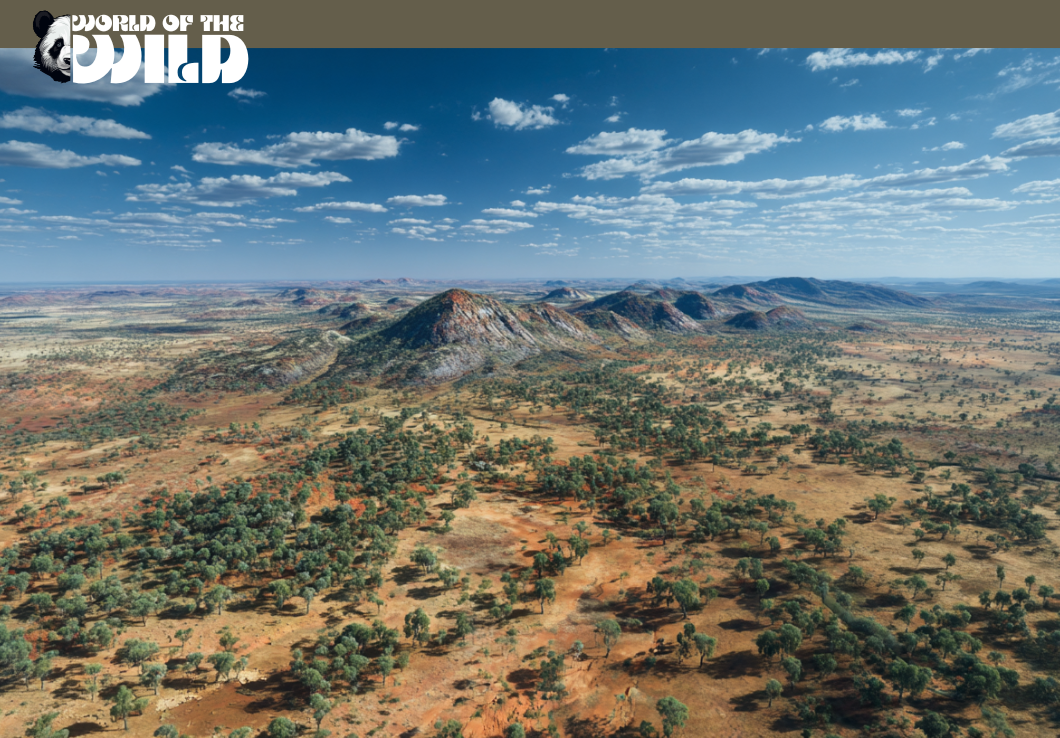

The Australian Outback stands as one of Earth’s most extraordinary and enigmatic landscapes. Covering roughly 70% of the Australian continent, this vast expanse of arid and semi-arid wilderness stretches across approximately 5.6 million square kilometers, making it one of the largest remaining wild places on the planet. Far from being the barren wasteland it’s often portrayed as, the Outback is a complex tapestry of ecosystems teeming with life, ancient geological wonders, and ecological processes that have shaped the evolution of unique species found nowhere else on Earth.
This remarkable region is not merely an iconic symbol of Australia’s rugged beauty—it is a critical component of global biodiversity, a living laboratory of adaptation and survival, and an irreplaceable natural heritage that faces mounting threats in our rapidly changing world. Understanding the Outback’s importance and the challenges it faces is essential for anyone committed to conservation and the preservation of our planet’s wild places.
A Land of Ancient Wonders and Extreme Adaptation
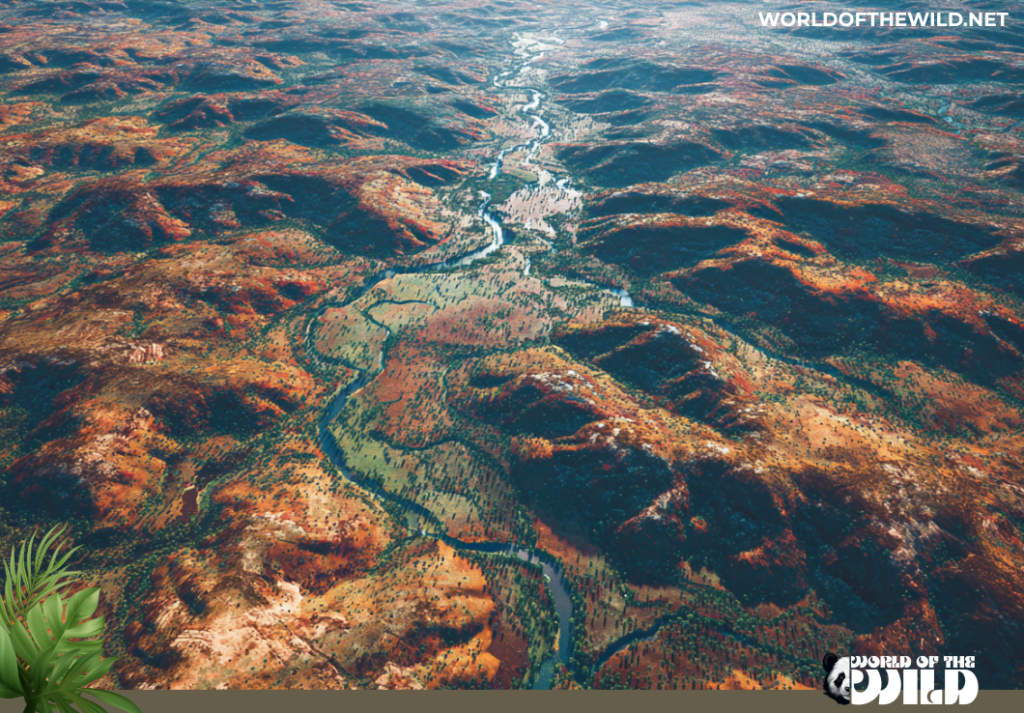
The Australian Outback is far more diverse than its reputation suggests. Rather than a single uniform desert, it encompasses multiple distinct ecosystems, including spinifex grasslands, mulga woodlands, gibber plains covered with wind-polished stones, ephemeral wetlands, rocky ranges, and true desert regions like the Simpson Desert with its spectacular red sand dunes stretching up to 200 kilometers in length.
What makes the Outback particularly significant from an evolutionary perspective is its age and isolation. Australia separated from the supercontinent Gondwana approximately 45 million years ago, and much of the Outback’s landscape has remained relatively stable for millions of years. Some of the region’s rock formations, like those in the Pilbara, date back more than 3.5 billion years, making them among the oldest on Earth. This extraordinary geological stability has allowed species to evolve and adapt over immense timescales, resulting in a biological treasure trove unlike any other.
The climate of the Outback is characterized by extremes—scorching daytime temperatures that can exceed 50°C (122°F) in summer, freezing nights in winter, unpredictable rainfall patterns, and periodic droughts lasting years. These harsh conditions have forged some of nature’s most remarkable adaptations, creating a masterclass in survival that holds valuable lessons for understanding resilience in the face of environmental stress.
Biodiversity Hotspot: Life Against the Odds
Despite its harsh conditions, the Australian Outback supports an astonishing array of biodiversity. Australia is home to more than 378 mammal species, 828 bird species, 4,000 fish species, 300 lizard species, 140 snake species, and 50 marine mammal species. A significant proportion of these call the Outback home, and many are found nowhere else on Earth.
Iconic Marsupials and Unique Mammals
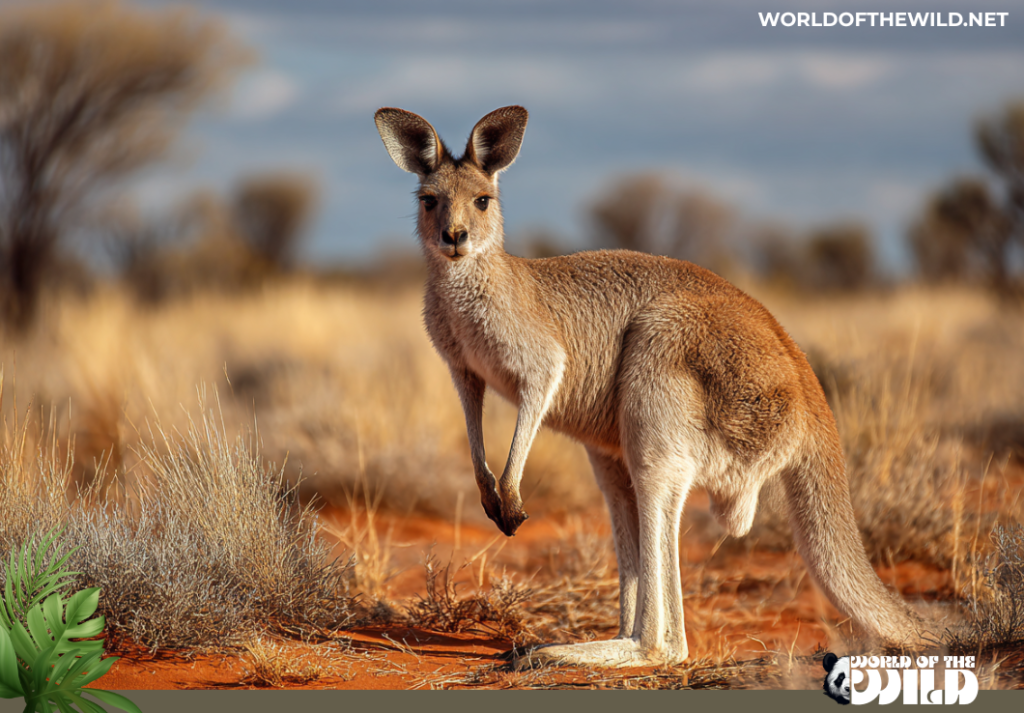
The Outback harbors some of Australia’s most iconic marsupials, each exquisitely adapted to survive in this challenging environment. The red kangaroo, the world’s largest marsupial, dominates the open plains and grasslands, capable of traveling vast distances in search of food and water. These magnificent animals can survive without drinking for extended periods, obtaining moisture from the vegetation they consume.
Smaller marsupials demonstrate equally impressive adaptations. The bilby, a rabbit-sized marsupial with enormous ears and a long snout, excavates extensive burrow systems that can reach depths of three meters, providing refuge from extreme temperatures. The mulgara, a carnivorous marsupial the size of a rat, can survive its entire life without drinking water, metabolizing moisture entirely from its prey. The fat-tailed dunnart stores fat reserves in its tail, allowing it to survive lean periods when prey becomes scarce.
The Outback is also home to Australia’s unique monotremes. The short-beaked echidna, one of only five egg-laying mammals on Earth, is found throughout the region, using its specialized snout and sticky tongue to harvest thousands of ants and termites daily. These ancient creatures, which share their lineage with mammals that existed during the age of dinosaurs, represent an irreplaceable piece of evolutionary history.
Avian Diversity and Aerial Masters
The skies above the Outback teem with birdlife. Wedge-tailed eagles, Australia’s largest bird of prey with wingspans exceeding 2.5 meters, soar on thermal currents, scanning the landscape for prey. The emu, the world’s second-largest bird, roams in small groups across vast territories, its powerful legs allowing it to sprint at speeds up to 50 kilometers per hour.
Perhaps more remarkable are the birds that have adapted to exploit the Outback’s unpredictable resources. Budgerigars, those cheerful parakeets familiar to pet owners worldwide, exist in wild flocks numbering thousands. They possess an uncanny ability to detect rainfall from hundreds of kilometers away, allowing them to converge on temporary water sources. This nomadic lifestyle is shared by many Outback bird species, including the crimson chat, letter-winged kite, and Australian pratincole, all of which have evolved to take advantage of ephemeral opportunities.
The Outback’s wetlands, though temporary and unpredictable, serve as critical breeding grounds for waterbirds. When rain fills claypans and salt lakes, they transform into bustling avian nurseries. Lake Eyre, Australia’s largest salt lake, lies dry for years at a time, but when flooded becomes a magnet for hundreds of thousands of pelicans, ibis, and other waterbirds that arrive to breed in one of nature’s most spectacular gatherings.
Reptilian Dominance
Reptiles truly rule the Outback, and Australia’s arid interior supports the highest diversity of lizard species of any place on Earth. The perentie, Australia’s largest lizard reaching lengths of 2.5 meters, is an apex predator in many Outback ecosystems. Thorny devils, those extraordinary spiny lizards that resemble living medieval weapons, have developed a remarkable adaptation—their entire body surface is covered with microscopic grooves that channel dew and rainwater directly to their mouths, allowing them to drink through their skin.
The Outback’s numerous dragon lizards, geckos, and skinks display a dazzling array of survival strategies. Some species can change color to regulate temperature, others can shed their tails to escape predators, and many have evolved to survive on minimal food and water. Blue-tongued lizards use their vibrant tongues to startle predators, while frilled lizards erect spectacular neck ruffs to appear larger when threatened.
Snakes, including some of the world’s most venomous species, are also well-represented. The inland taipan, found in the remote channel country of Queensland and South Australia, possesses the most toxic venom of any land snake on Earth. However, these reclusive serpents rarely encounter humans and are a testament to the Outback’s role as a refuge for species that require vast, undisturbed territories.
Invertebrate Abundance and Ecological Engineers
While less celebrated, invertebrates form the foundation of Outback ecosystems. Termites are perhaps the most influential, with their massive mounds dotting the landscape—some reaching heights of seven meters and housing millions of individuals. These insects are crucial ecosystem engineers, processing dead plant material, aerating soils, and creating habitat for countless other species. Termite mounds regulate temperature and humidity so effectively that their architectural principles have inspired sustainable building designs.
The Outback’s diverse ant fauna includes harvester ants that collect and store seeds, meat ants that are among Australia’s most aggressive predators, and honeypot ants whose specialized workers store liquid food in their enormously swollen abdomens, serving as living pantries for their colonies during drought. These ants influence vegetation patterns, nutrient cycling, and seed dispersal across millions of square kilometers.
Ecosystem Services: The Outback’s Global Importance
The Australian Outback provides crucial ecosystem services that extend far beyond its borders. Understanding these functions reveals why this remote wilderness matters to the entire planet.
Carbon Storage and Climate Regulation
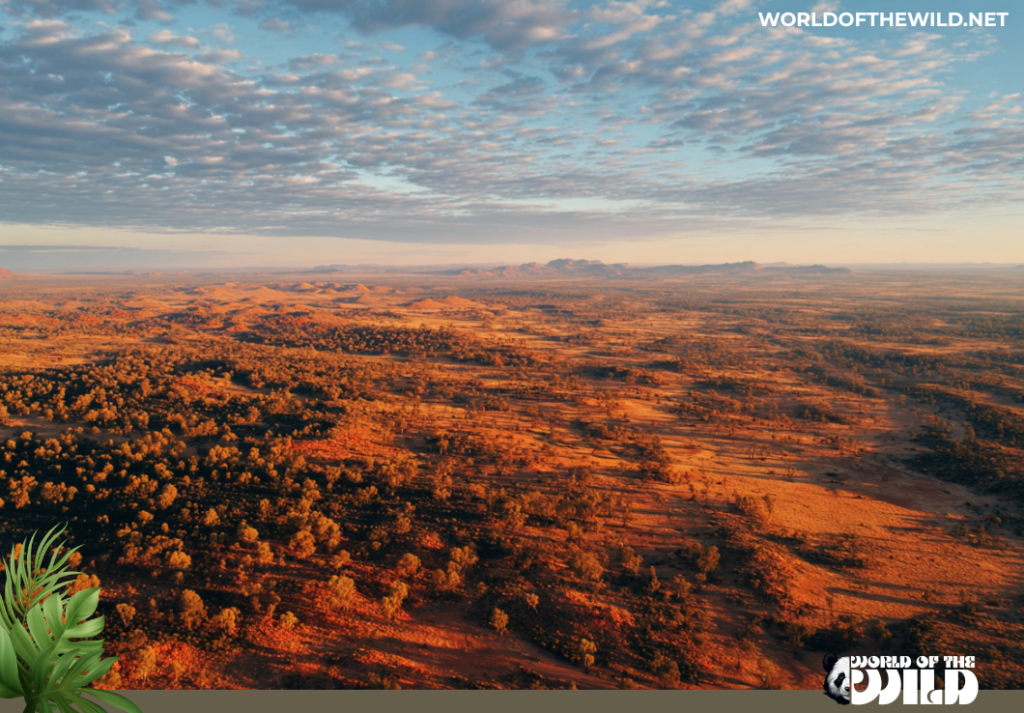
Despite its sparse vegetation, the Outback plays a significant role in global carbon cycling. The region’s soils, particularly in mulga woodlands and spinifex grasslands, store substantial amounts of carbon. Mulga trees, those resilient acacias that cover millions of hectares, have extensive root systems that sequester carbon deep underground. Spinifex grasses, which dominate much of the arid interior, have evolved to store carbon in their dense, resinous foliage and extensive root networks.
Research has shown that Australia’s rangelands, which encompass much of the Outback, store approximately 10 billion tonnes of carbon in soil and vegetation. When these ecosystems are degraded through overgrazing, inappropriate fire regimes, or clearing, this stored carbon is released into the atmosphere, contributing to climate change. Conversely, proper management and restoration of Outback ecosystems can enhance carbon sequestration, making conservation efforts here directly relevant to global climate action.
The Outback also influences regional and global weather patterns. The vast expanse of red earth affects surface albedo—the amount of solar radiation reflected back into space—which influences temperature patterns and atmospheric circulation. Changes in vegetation cover can alter these processes, potentially affecting rainfall patterns across Australia and beyond.
Water Cycles and Ancient Aquifers
Beneath the Outback lie some of the world’s most significant groundwater systems. The Great Artesian Basin, one of the largest and deepest artesian basins on Earth, underlies approximately 1.7 million square kilometers of the Outback. This vast underground reservoir contains an estimated 64,900 cubic kilometers of water, some of which is more than a million years old.
This ancient water supports both natural ecosystems and human activities across the arid interior. Natural springs fed by the artesian basin create isolated wetland oases that harbor unique endemic species, including several fish species found nowhere else on Earth. These springs have supported Aboriginal peoples for tens of thousands of years and continue to sustain remote communities and pastoral operations today.
The Outback’s ephemeral river systems, such as the Cooper Creek and Diamantina River networks, play crucial roles in continental water distribution. These rivers may flow only occasionally, but when they do, they can transport enormous volumes of water across hundreds of kilometers, filling vast floodplains and ultimately reaching Lake Eyre. This unpredictable hydrology supports boom-and-bust ecosystems that are increasingly rare globally.
Cultural Heritage and Indigenous Knowledge
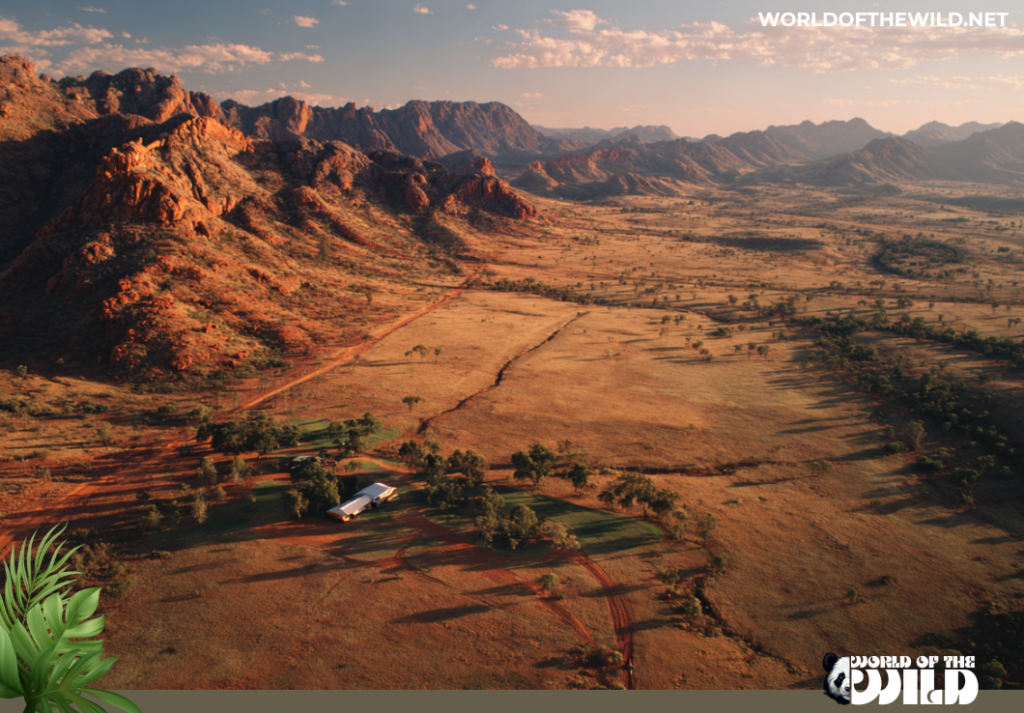
The Australian Outback is the traditional homeland of numerous Aboriginal nations who have maintained continuous cultures for more than 65,000 years—the longest continuous cultural history on Earth. This extraordinary heritage represents an irreplaceable repository of knowledge about sustainable land management, ecology, and human adaptation to challenging environments.
Aboriginal peoples developed sophisticated fire management practices that shaped Outback ecosystems for millennia. These controlled burns reduced fuel loads, promoted biodiversity, created habitat for game animals, and maintained open landscapes. Modern science is increasingly recognizing the value of these traditional practices, with Indigenous-led fire management programs now being implemented across millions of hectares to reduce catastrophic wildfires and restore ecological health.
The rock art galleries scattered throughout the Outback, some dating back more than 40,000 years, provide invaluable insights into past climates, extinct megafauna, and the evolution of human culture. Sites like Uluru, Kata Tjuta, and the Kimberley rock art galleries are not merely tourist attractions—they are living cultural landscapes that connect contemporary Indigenous peoples with their ancestors and contain knowledge systems still relevant to understanding and managing these environments today.
Scientific Value and Medical Discovery
The extreme conditions of the Outback have driven evolution in unique directions, creating organisms with biochemical adaptations that hold tremendous scientific and medical potential. Venoms from Outback snakes, spiders, and other creatures are being studied for potential pharmaceutical applications, including pain management, blood pressure regulation, and anti-cancer compounds.
The tardigrades, or water bears, found in Outback soils can survive complete dehydration for years, a capability that interests researchers studying preservation of biological materials and even space travel. Heat-resistant bacteria from Outback hot springs are used in PCR technology, which revolutionized molecular biology and is fundamental to modern medical diagnostics, including COVID-19 testing.
The Outback’s ancient, stable landscapes also provide unique opportunities for geological and paleontological research. Fossil sites preserve evidence of past climates, extinct megafauna, and evolutionary transitions that help scientists understand how life responds to environmental change—knowledge increasingly critical as we face global climate disruption.
Mounting Threats to an Ancient Land
Despite its isolation and apparent vastness, the Australian Outback faces numerous serious threats that endanger its ecological integrity and the species that depend on it.
Climate Change and Increasing Aridity
Climate change poses perhaps the most significant long-term threat to Outback ecosystems. Australia has already experienced temperature increases of approximately 1.4°C since 1910, with projections suggesting continued warming and shifts in rainfall patterns. For the Outback, this means longer droughts, more intense heatwaves, and more unpredictable precipitation.
Many Outback species already exist at the limits of physiological tolerance. The critically endangered night parrot, for instance, depends on spinifex grasslands that are highly sensitive to rainfall patterns. Extended droughts can eliminate the seeding events this species requires for survival. Similarly, many Outback reptiles are approaching their thermal limits, with some species already experiencing local extinctions in the hottest parts of their ranges.
Changes in fire regimes compound climate impacts. Higher temperatures and altered rainfall patterns are leading to more frequent and intense wildfires that destroy habitat faster than it can recover. The 2019-2020 bushfire season, Australia’s worst on record, burned more than 18 million hectares, including significant portions of semi-arid Outback environments, devastating populations of already vulnerable species.
Invasive Species: Ecological Catastrophe
The introduction of non-native species has been catastrophic for Outback biodiversity. Feral cats, numbering an estimated 2.1 to 6.3 million across Australia, are implicated in the extinction of numerous small mammal species. These efficient predators can survive in extremely arid environments and have decimated populations of native rodents, marsupials, and ground-nesting birds. Studies suggest feral cats kill more than 1.5 billion native animals annually across Australia.
Red foxes, introduced for recreational hunting in the 1800s, have similarly devastated native wildlife. These adaptable predators have contributed to the decline or extinction of at least 20 mammal species and continue to threaten ground-nesting birds, reptiles, and small marsupials.
European rabbits, perhaps Australia’s most damaging invasive species, compete with native herbivores for food and water while their intensive grazing degrades vegetation and accelerates erosion. At their peak, rabbit populations may have exceeded 600 million, fundamentally altering vegetation communities and soil structure across vast areas.
Invasive plants also pose serious threats. Buffel grass, introduced as pasture improvement, has transformed fire regimes across millions of hectares of central Australia. This African grass creates continuous fuel loads that burn hotter and more frequently than native vegetation can tolerate, converting diverse spinifex grasslands into near-monocultures. Athel pine, tamarisk, and other invasive plants are displacing native vegetation along watercourses, fundamentally altering these critical riparian ecosystems.
Cane toads, though primarily a threat to tropical regions, are advancing into semi-arid areas and poisoning native predators that have no evolutionary experience with their toxins. Quolls, goannas, and snakes that attempt to eat these toxic invaders often die, causing population crashes in native predator communities.
Habitat Degradation and Fragmentation
While the Outback appears vast and intact, significant degradation has occurred across much of the region. Overgrazing by livestock, particularly during drought periods, has degraded vegetation, compacted soils, and accelerated erosion across millions of hectares. Poorly managed pastoral lands show reduced biodiversity, altered fire regimes, and diminished capacity to support native species.
Mining operations, though occupying relatively small footprints individually, are proliferating across the Outback as demand for minerals and rare earth elements increases. These operations disturb habitat, contaminate water sources, introduce invasive species, and create access routes that facilitate further degradation. The cumulative impact of thousands of small mining operations, along with associated infrastructure like roads, pipelines, and power lines, is fragmenting previously continuous habitat.
Tourism, while economically important and potentially fostering conservation awareness, can also degrade sensitive environments. Unofficial tracks created by four-wheel-drive vehicles scar the landscape, causing erosion that may take centuries to heal in these slow-recovery environments. Concentrated visitor pressure around iconic locations like Uluru and the Flinders Ranges can damage fragile soils and vegetation.
Water Extraction and Aquifer Depletion
Unsustainable extraction from the Great Artesian Basin and other groundwater systems threatens both human communities and natural ecosystems dependent on these ancient water sources. Pastoral operations and mining activities are drawing down water levels, reducing pressure in natural springs and potentially contaminating aquifers with pollutants.
The natural mound springs fed by artesian pressure are particularly vulnerable. Many have already ceased flowing or have significantly reduced discharge, threatening unique endemic species that have evolved in these isolated aquatic habitats over hundreds of thousands of years. Once these springs dry completely, the specialized fish, crustaceans, and plants they support will face extinction.
Coal seam gas and other forms of resource extraction also pose risks to groundwater quality and quantity. Hydraulic fracturing and the production of large volumes of saline water associated with gas extraction could contaminate aquifers and reduce water availability for both ecosystems and communities.
Knowledge Loss and Disconnect
As Indigenous communities have been displaced from traditional lands and younger generations have become urbanized, traditional ecological knowledge and land management practices have been disrupted. This loss represents not merely cultural tragedy but also the disappearance of sophisticated understanding of Outback ecology developed over tens of thousands of years.
The general public’s disconnect from the Outback is equally concerning. Most Australians live in coastal cities and have limited direct experience with arid environments. This distance can translate into lack of political will for conservation measures and insufficient public pressure to address threats. The Outback is often perceived as empty wasteland rather than the biodiverse, ecologically important landscape it truly is.
Conservation Efforts and Hope for the Future
Despite these challenges, significant conservation efforts are underway, and there are reasons for optimism about the Outback’s future.
Indigenous-led conservation initiatives are expanding across the Outback. Indigenous Protected Areas now cover more than 67 million hectares across Australia, with many in the arid interior. These areas combine traditional land management with contemporary conservation science, employing Indigenous rangers who conduct wildlife monitoring, invasive species control, and cultural site protection. Programs like the 10 Deserts Project are working to reduce threats across 10 desert regions, with Indigenous rangers playing central roles.
Feral predator control programs are showing promising results. Large-scale fencing projects, including the longest continuous fence in Australia at 5,600 kilometers, are protecting significant areas from cats, foxes, and rabbits. Within these protected zones, threatened species like bilbies, numbats, and burrowing bettongs are being reintroduced with encouraging success rates.
Conservation organizations are establishing wildlife sanctuaries and rewilding projects across the Outback. Australian Wildlife Conservancy manages multiple properties totaling hundreds of thousands of hectares where intensive management is reversing declines and enabling recovery of threatened species. These fenced sanctuaries demonstrate what Outback ecosystems can achieve when freed from invasive species pressure.
Research into climate adaptation and assisted migration is advancing. Scientists are identifying climate refugia—areas likely to remain suitable for vulnerable species under climate change—and developing translocation strategies to establish new populations in these locations before current habitats become unsuitable.
Technology is also aiding conservation efforts. Satellite monitoring, remote cameras, acoustic sensors, and environmental DNA sampling allow researchers to monitor vast areas more effectively than ever before. Drones are being used to map vegetation changes, locate rare species, and detect invasive species for targeted control.
Public awareness of the Outback’s value is growing. Tourism that supports conservation and Indigenous communities is expanding, creating economic incentives for protection. Documentary films, social media, and citizen science programs are connecting urban Australians with their continent’s arid heart, building constituencies for conservation action.
Conclusion: A Global Responsibility
The Australian Outback is far more than an iconic landscape or adventure tourism destination. It is a functioning ecosystem of global importance, a reservoir of biodiversity found nowhere else on Earth, a living library of adaptive strategies relevant to our changing planet, and the ancestral homeland of the world’s oldest continuous cultures.
The threats facing this extraordinary region are serious and accelerating, but they are not insurmountable. With adequate resources, political will, integration of Indigenous knowledge, and public support, the Outback’s ecological integrity can be maintained and, in degraded areas, restored.
Every species lost from the Outback—from the humble mulgara to the magnificent black-footed rock-wallaby—represents not merely a local extinction but a unique evolutionary lineage erased from existence, adaptations refined over millions of years lost forever. Every degraded ecosystem represents diminished capacity to store carbon, reduced resilience to climate change, and impoverished natural heritage for future generations.
The Outback reminds us that wildness and biodiversity are not luxuries reserved for when more pressing human needs are met—they are fundamental to the functioning of the biosphere that sustains all life, including our own. Protecting this ancient land is not merely an Australian responsibility but a global imperative, for the Outback’s fate is inextricably linked to the health of our shared planet.
In a world increasingly dominated by human activity, the Australian Outback stands as one of our last truly wild places—a reminder of the Earth’s capacity for beauty, diversity, and resilience when given the space to flourish. It is a gift from deep time, a trust from the past that we must safeguard for the future.
Be sure to read our article The 5 Most Dangerous Animals in the Australian Outback.