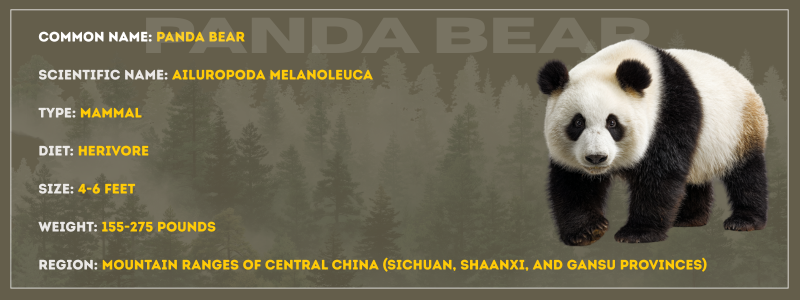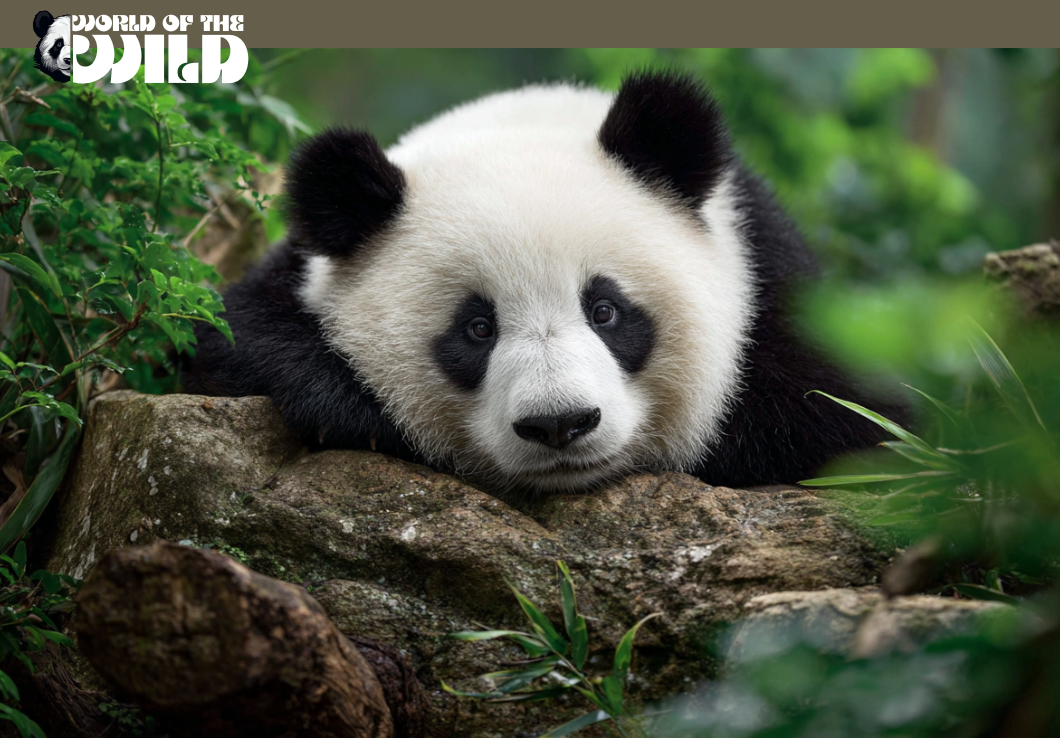

With their distinctive black-and-white markings and endearing tendency to tumble playfully down hillsides, giant pandas have captured hearts worldwide and become one of the most recognizable symbols of wildlife conservation. These gentle giants, munching contentedly on bamboo in the misty mountains of central China, represent both a conservation success story and an ongoing challenge in our efforts to preserve Earth’s biodiversity. Despite belonging to the order Carnivora and possessing the digestive system of a meat-eater, pandas have evolved to survive almost entirely on one of the least nutritious foods available—bamboo—a paradox that makes them one of nature’s most fascinating evolutionary puzzles.
Facts
- Thumb-like adaptation: Pandas possess a modified wrist bone called the radial sesamoid that functions as a “pseudo-thumb,” allowing them to grip bamboo stalks with remarkable dexterity, even though their actual digits are not opposable.
- Astronomical appetite: An adult panda can consume between 26 to 84 pounds of bamboo daily, spending up to 14 hours a day eating to compensate for bamboo’s extremely low nutritional content.
- Newborn size shock: Baby pandas are born incredibly underdeveloped and tiny—about the size of a stick of butter, weighing just 3 to 5 ounces, which is roughly 1/900th of their mother’s weight, one of the smallest newborn-to-mother size ratios among placental mammals.
- Scent marking obsession: Pandas perform handstands against trees to mark their territory with scent glands, positioning themselves as high as possible to appear larger and more dominant to other pandas.
- Vocal variety: These seemingly quiet bears possess an extensive vocal repertoire of at least 11 different sounds, including bleats, honks, barks, and roars, used for everything from courtship to expressing aggression.
- Poop marathon: Due to bamboo’s poor digestibility, pandas defecate up to 40 times per day, producing approximately 62 pounds of droppings daily.
- Ancient symbol: Pandas have existed for approximately 2 to 3 million years, and ancient Chinese emperors kept them as exotic pets, believing they had mystical powers and could predict the future.
Sounds of a Panda
Species
Taxonomic Classification:
- Kingdom: Animalia
- Phylum: Chordata
- Class: Mammalia
- Order: Carnivora
- Family: Ursidae
- Genus: Ailuropoda
- Species: Ailuropoda melanoleuca
The giant panda is the most recognizable member of its genus, which once contained several species, though it now stands as the sole surviving member of Ailuropoda. Historically, the Qinling panda was recognized as a subspecies (Ailuropoda melanoleuca qinlingensis), distinguished by its smaller skull, brown and white coloration instead of black and white, and isolation in the Qinling Mountains. However, taxonomic debates continue about whether it merits full subspecies status.
The giant panda should not be confused with the red panda (Ailurus fulgens), which despite sharing a common name and bamboo-eating habits, belongs to an entirely different family (Ailuridae) and is more closely related to raccoons, weasels, and skunks. The giant panda’s closest living relatives are the spectacled bear of South America and other members of the bear family.
Appearance
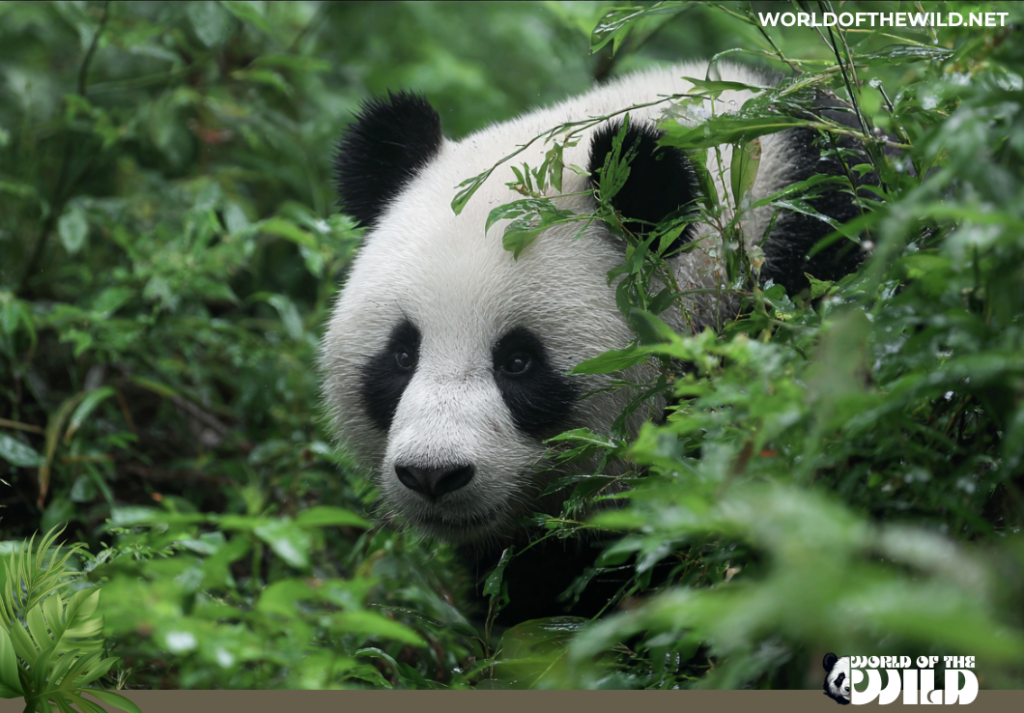
The giant panda’s iconic appearance features a striking contrast of black and white fur that serves multiple purposes. Their stocky, bear-like body is covered in thick, woolly white fur, while their legs, shoulders, ears, and eye patches are jet black. This distinctive coloration may function as camouflage in their snow-dappled and shadowy bamboo forest habitat, while the bold eye patches might help them recognize each other or make their eyes appear larger to intimidate rivals.
Adult pandas stand approximately 2 to 3 feet tall at the shoulder when on all fours and can reach 4 to 6 feet in length. Males are considerably larger than females, weighing between 190 to 275 pounds, while females typically weigh 155 to 220 pounds. In captivity, with reliable food sources, pandas can become significantly heavier, sometimes exceeding 300 pounds.
Their round face features powerful jaw muscles and large molars designed for crushing bamboo, while their small eyes give them relatively poor vision compared to other bears. Pandas possess large, distinctive heads with rounded features that contribute to their appealing, almost cartoon-like appearance. Their thick fur and substantial fat layer help insulate them from the cold mountain climates they inhabit. Unlike most bears, pandas cannot stand upright on their hind legs for extended periods and typically sit in a distinctive upright position while eating, with their hind legs splayed out in front—a posture that has further endeared them to human observers.
Behavior
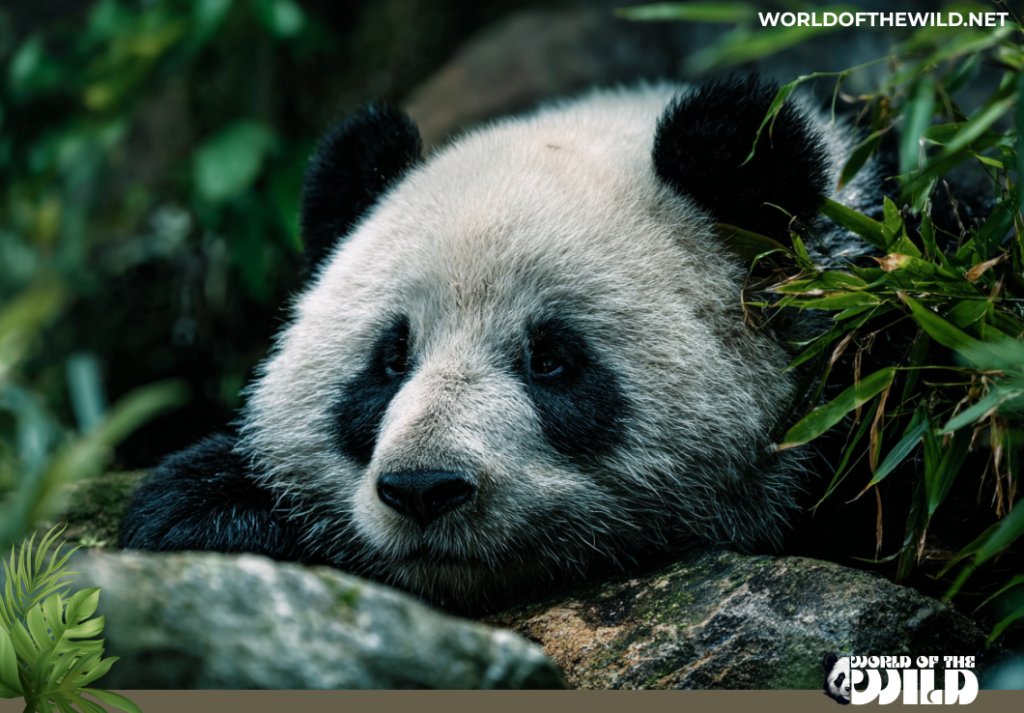
Giant pandas lead predominantly solitary lives, coming together only during the brief annual breeding season in spring. They are neither truly nocturnal nor fully diurnal, instead following a crepuscular pattern with activity peaks during dawn and dusk, though their eating schedule often dictates their daily rhythm. Most of a panda’s waking hours—approximately 14 hours daily—are devoted to foraging and consuming bamboo, with the remainder spent resting and digesting their fibrous meals.
Despite their bulky appearance, pandas are surprisingly agile climbers, ascending trees to escape danger, sun themselves on branches, or simply nap in comfortable forks. Young pandas particularly enjoy climbing and playing, often tumbling down slopes in what appears to be purely recreational activity. This playfulness continues into adulthood, with pandas exhibiting curiosity and problem-solving abilities that suggest considerable intelligence.
Communication among pandas occurs through vocalizations, scent marking, and visual cues. They rub scent glands located below their tails on trees, rocks, and the ground to advertise their presence and reproductive status. As mentioned, they often perform handstands during scent marking to reach maximum height. Their vocal repertoire includes squeaks and barks during play, bleats when greeting each other, honks when mildly alarmed, and roars when threatened or during aggressive encounters.
Pandas maintain home ranges rather than strict territories, with males occupying larger areas that may overlap with several female ranges. They generally avoid confrontation, communicating their presence through scent marking and vocalizations to prevent unwanted encounters. When fights do occur, usually over mates or prime bamboo patches, pandas can inflict serious injuries with their powerful jaws and sharp claws.
Evolution
The giant panda’s evolutionary journey represents one of the most unusual dietary transitions in mammalian history. The earliest known ancestors of modern pandas appear in the fossil record approximately 8 million years ago during the late Miocene epoch. Ailurarctos lufengensis, discovered in China’s Yunnan Province, is considered one of the earliest panda relatives, already showing adaptations toward herbivory despite belonging to the carnivorous bear lineage.
The genus Ailuropoda emerged roughly 2 to 3 million years ago during the Pliocene-Pleistocene transition. Fossil evidence reveals that early pandas were significantly larger and more widespread than today’s population, with extinct species like Ailuropoda baconi inhabiting regions across southern China and even extending into present-day Myanmar, Vietnam, and Laos. These ancestral pandas likely had more varied diets and were more omnivorous than their modern descendants.
The shift to an almost exclusive bamboo diet represents an evolutionary paradox. Pandas retain the short digestive tract, gut bacteria, and protein-digesting enzymes of carnivores, yet they lack the specialized multi-chambered stomachs of true herbivores or the symbiotic bacteria necessary for efficiently breaking down cellulose. This dietary transition likely occurred during a period when competition with other predators intensified, and bamboo—abundant, reliable, and avoided by other herbivores—offered an accessible, if nutritionally poor, alternative food source.
Genetic studies have revealed that pandas lost their functional umami taste receptor gene (Tas1r1) approximately 4.2 million years ago, which may have reduced their ability to taste meat and facilitated their bamboo-eating lifestyle. They did, however, retain sweet taste receptors, which may help them select the most nutritious bamboo shoots. Additionally, pandas evolved their distinctive pseudo-thumb through modification of the radial sesamoid bone, a trait that developed convergently in the unrelated red panda—a remarkable example of evolutionary adaptation to similar ecological niches.
Habitat
Giant pandas inhabit the remote, mountainous regions of central China, primarily in Sichuan Province, with smaller populations in the neighboring Shaanxi and Gansu provinces. Their historical range once extended across much of southern and eastern China, as well as parts of Myanmar and northern Vietnam, but habitat loss and fragmentation have restricted them to approximately 20 isolated mountain ranges.
These bears live exclusively in temperate bamboo forests at elevations between 5,000 and 10,000 feet, where dense stands of bamboo thrive beneath a canopy of broadleaf and conifer trees. The climate in these mountain forests is cool and humid, with heavy rainfall and persistent mist that nourishes the bamboo understory. Pandas prefer old-growth forests with a thick bamboo layer, access to water sources, and suitable denning sites such as hollow trees or rock crevices.
The mountainous terrain provides the pandas with several advantages: the steep slopes and dense vegetation offer protection from predators, the elevation ensures cool temperatures year-round that suit their thick fur, and the topographic diversity creates microclimates supporting different bamboo species. Pandas migrate seasonally within their mountain habitats, moving to higher elevations in summer and descending to lower valleys in winter to follow the growth patterns of different bamboo species and escape the harshest weather.
The fragmentation of their habitat into isolated patches represents one of the most significant threats to panda populations, preventing gene flow between groups and making populations vulnerable to local extinctions. Conservation efforts have focused on creating wildlife corridors connecting these habitat fragments to allow pandas to move between populations.
Diet
Despite belonging to the order Carnivora and possessing a carnivore’s digestive system, giant pandas are effectively herbivores, with bamboo comprising approximately 99% of their diet. This makes them one of the most specialized feeders in the animal kingdom. They consume nearly every part of the bamboo plant—leaves, stems, and shoots—though they show seasonal preferences based on nutritional content and availability.
Pandas primarily feed on approximately 20 to 30 bamboo species, selecting varieties based on location, season, and nutritional value. In spring and summer, they prefer nutrient-rich bamboo shoots, which contain higher protein levels. During autumn and winter, when shoots are unavailable, they shift to leaves and woody stems, which are less nutritious but more abundant. Their powerful jaws, massive molars, and strong jaw muscles allow them to crush and grind the tough, fibrous bamboo stalks that would be indigestible to most other animals.
The inefficiency of their digestive system means pandas extract only about 17% of the energy available in bamboo, compared to 80% extraction rates in specialized herbivores like cattle. To compensate, they must eat prodigious quantities—consuming 20 to 40 pounds of bamboo daily, and sometimes up to 84 pounds. This requires them to spend most of their waking hours eating.
Occasionally, pandas supplement their bamboo diet with other foods, displaying their ancestral carnivorous heritage. They have been observed eating small rodents, birds, carrion, and even other vegetation such as wild tubers, grasses, and fruits. In captivity, pandas receive nutritionally balanced biscuits supplemented with bamboo to ensure adequate protein and vitamin intake.
Predators and Threats
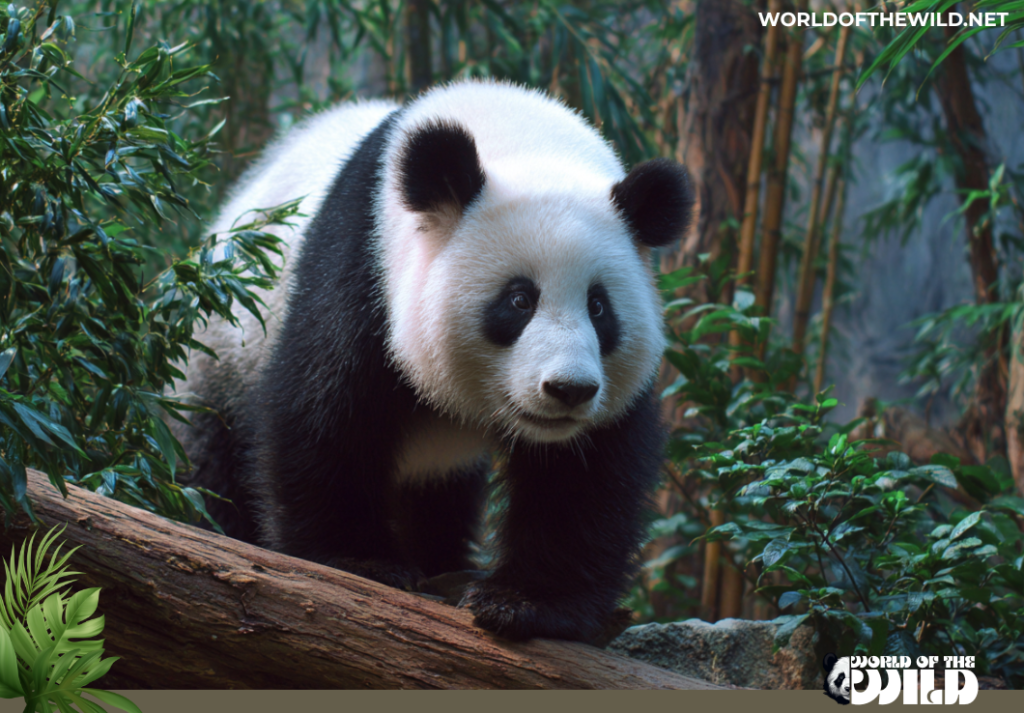
Adult giant pandas have few natural predators due to their size, strength, and remote mountain habitat. Historically, the main predators included leopards, jackals, and yellow-throated martens, though these primarily threatened cubs and juvenile pandas rather than full-grown adults. Snow leopards in the higher elevations may occasionally prey on pandas, but such incidents are rare. The primary predator of panda cubs is the golden jackal, which will attack young pandas separated from their mothers.
The greatest threat to giant pandas is anthropogenic. Habitat loss and fragmentation represent the most significant danger, driven by agricultural expansion, logging, infrastructure development, and human settlement in mountain regions. This fragmentation isolates panda populations, reduces genetic diversity, and limits access to bamboo resources. When bamboo undergoes its natural mass flowering and die-off cycle (which occurs every 15 to 120 years depending on species), pandas in fragmented habitats cannot migrate to new areas with living bamboo, potentially leading to starvation.
Climate change poses an emerging threat, as rising temperatures may push suitable bamboo habitat to higher elevations and reduce the overall area available to pandas. Models suggest that climate change could eliminate much of the pandas’ current bamboo forest habitat over the coming decades, even within protected reserves.
Historically, hunting for pelts severely impacted panda populations, though China has imposed strict legal protections making panda poaching punishable by lengthy prison sentences or even death. Illegal poaching still occasionally occurs, and pandas sometimes get caught in snares set for other animals like musk deer.
Disease and parasites, including roundworms, tapeworms, and ticks, can weaken pandas, particularly in captivity where close quarters facilitate transmission. In the wild, panda populations are small and isolated enough that an epidemic could potentially devastate an entire local population.
Reproduction and Life Cycle
Giant pandas have one of the lowest reproductive rates of any mammal, contributing significantly to their endangered status. Females are fertile for only 24 to 72 hours per year, typically between March and May. During this brief window, males compete intensely for access to receptive females, with the dominant male mating with the female multiple times over several days to maximize conception chances.
The gestation period lasts approximately 95 to 160 days, with significant variation due to delayed implantation—the fertilized egg floats freely in the uterus for weeks or months before attaching to the uterine wall and beginning development. Most births occur between August and September.
Females typically give birth to one or two cubs, though twins are common. However, in the wild, mothers virtually always raise only one cub, abandoning the weaker twin because they cannot produce enough milk or provide adequate care for two offspring simultaneously. The chosen cub is born incredibly underdeveloped—hairless, blind, toothless, and weighing only 3 to 5 ounces—requiring intensive maternal care.
The mother rarely leaves her cub for the first few weeks, not even to eat or drink. Cubs open their eyes at 6 to 8 weeks and begin crawling at three months. They start eating bamboo at around 6 months but continue nursing for 8 to 9 months. Young pandas remain dependent on their mothers for 18 to 24 months, learning essential survival skills like identifying edible bamboo species and climbing techniques.
Sexual maturity arrives at 4 to 8 years for females and 6 to 7 years for males. In the wild, giant pandas live approximately 15 to 20 years, though individuals in captivity with consistent food, veterinary care, and protection from predators can live up to 30 years or more. The oldest recorded panda in captivity lived to 38 years.
Population
The giant panda is currently classified as “Vulnerable” on the IUCN Red List, an improvement from its previous “Endangered” status changed in 2016—a testament to successful conservation efforts. This upgrade represents one of conservation’s most celebrated success stories, though the species remains far from secure.
Current estimates place the wild giant panda population at approximately 1,864 individuals based on the most recent comprehensive survey conducted between 2011 and 2014. This represents a significant increase from earlier estimates and a reversal of decades of population decline. Additionally, around 600 pandas live in captivity worldwide, primarily in Chinese breeding centers and zoos, with successful captive breeding programs contributing to population recovery.
The population trend is positive but precarious. While numbers have increased due to intensive conservation efforts—including habitat restoration, anti-poaching patrols, creation of nature reserves, and captive breeding programs—the population remains highly fragmented across isolated mountain ranges. The largest populations exist in the Minshan and Qionglai mountain ranges in Sichuan Province, while smaller, more vulnerable groups inhabit the other ranges.
China has established over 60 panda reserves protecting approximately 67% of the wild population and significant portions of their remaining habitat. International cooperation through organizations like the World Wildlife Fund (WWF), which adopted the panda as its logo in 1961, has brought global attention and resources to panda conservation. Recent efforts focus on connecting habitat fragments through wildlife corridors, enabling gene flow between isolated populations and improving long-term survival prospects.
Conclusion
The giant panda stands as both an ambassador for conservation and a reminder of nature’s remarkable adaptability. These black-and-white bears, having survived for millions of years by specializing in one of the planet’s least nutritious foods, now face their greatest challenge not from natural selection but from human impact. Yet their story also illuminates the power of dedicated conservation efforts—through habitat protection, research, captive breeding, and international cooperation, we have pulled these iconic animals back from the brink of extinction.
The panda’s future remains uncertain, with climate change, habitat fragmentation, and their inherently low reproductive rate presenting ongoing challenges. However, every wild panda birth, every successful habitat corridor connection, and every protected reserve expansion represents hope not just for this species but for all wildlife facing similar threats. The giant panda has become more than just an animal—it symbolizes humanity’s capacity to recognize our impact on the natural world and take meaningful action to preserve it. As we continue this conservation journey, we must remember that protecting pandas means protecting the entire bamboo forest ecosystem they call home, benefiting countless other species that share their mountain sanctuary. The panda’s survival is our responsibility and our opportunity to demonstrate that coexistence between human development and wildlife conservation is not only possible but essential.
Scientific Name: Ailuropoda melanoleuca
Diet Type: Herbivore (specialized bamboo-eater)
Size: 4-6 feet in length; 2-3 feet tall at shoulder
Weight: 155-275 pounds (females lighter than males)
Region Found: Mountain ranges of central China (Sichuan, Shaanxi, and Gansu provinces)