
With a high-pitched whine and a needle-sharp proboscis, the mosquito has shaped human civilization more profoundly than perhaps any other creature on Earth. This tiny insect, weighing no more than 2.5 milligrams, has toppled empires, halted armies, and killed more people throughout history than all wars combined. Yet despite our sophisticated technology and medical advances, mosquitoes continue to claim hundreds of thousands of human lives each year. Beyond their notorious reputation as disease vectors, these remarkable insects possess an array of biological adaptations that have allowed them to thrive on every continent except Antarctica for over 100 million years. Understanding the mosquito means understanding one of nature’s most successful—and most dangerous—evolutionary achievements.
Facts
- Only females bite: Male mosquitoes are entirely vegetarian, feeding exclusively on plant nectar and fruit juices. Only females require blood meals to develop their eggs.
- Ancient bloodsuckers: Mosquitoes evolved during the Jurassic period and likely fed on dinosaurs. Fossil evidence suggests they’ve been sucking blood for at least 79 million years.
- Precision detection: Mosquitoes can detect carbon dioxide from up to 100 feet away and sense body heat, movement, and specific chemical compounds in human sweat, making them extraordinarily efficient hunters.
- Minimal sippers: A mosquito drinks only 0.001 to 0.01 milliliters of blood per feeding—about one-millionth of a gallon—yet that tiny amount can transmit deadly pathogens.
- Speed demons: Despite their delicate appearance, mosquitoes can beat their wings 300 to 600 times per second, producing their characteristic buzzing sound.
- Anticoagulant saliva: The itchy bump left by a mosquito bite isn’t from the bite itself but from an allergic reaction to proteins in the mosquito’s saliva, which prevents blood from clotting while they feed.
- Population explosion: A single female mosquito can lay up to 300 eggs at once and can produce eggs multiple times throughout her lifetime, leading to exponential population growth in favorable conditions.
Species
Mosquitoes belong to the insect family Culicidae, with a classification that places them among the true flies:
- Kingdom: Animalia
- Phylum: Arthropoda
- Class: Insecta
- Order: Diptera (true flies)
- Family: Culicidae
- Genera: Over 110 genera
- Species: Approximately 3,600 described species
The family Culicidae is divided into three major subfamilies. The most medically significant genera include Anopheles (approximately 460 species), the primary vectors of malaria; Aedes (over 950 species), which transmit yellow fever, dengue, Zika, and chikungunya; and Culex (over 760 species), responsible for spreading West Nile virus and various forms of encephalitis. Other notable genera include Toxorhynchites, whose larvae are predatory and actually help control other mosquito populations, and Mansonia, vectors of lymphatic filariasis in parts of Asia and Africa. Each genus has evolved distinct ecological niches and feeding preferences, with some specializing in birds, others in mammals, and some capable of feeding on a wide range of hosts.
Appearance
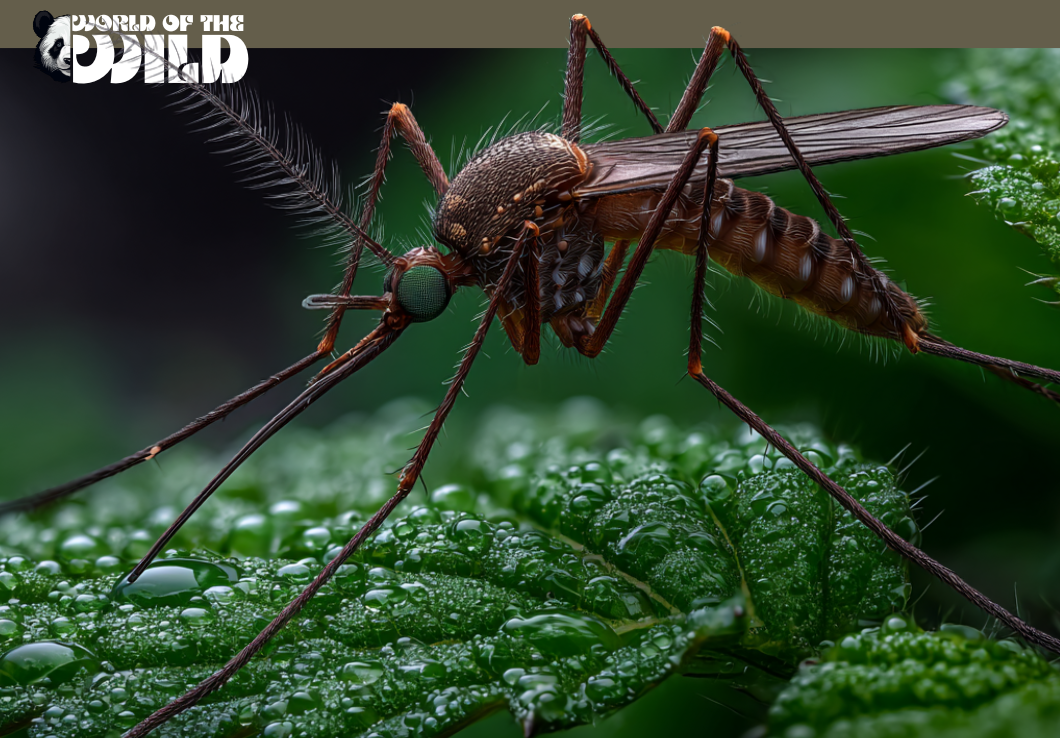
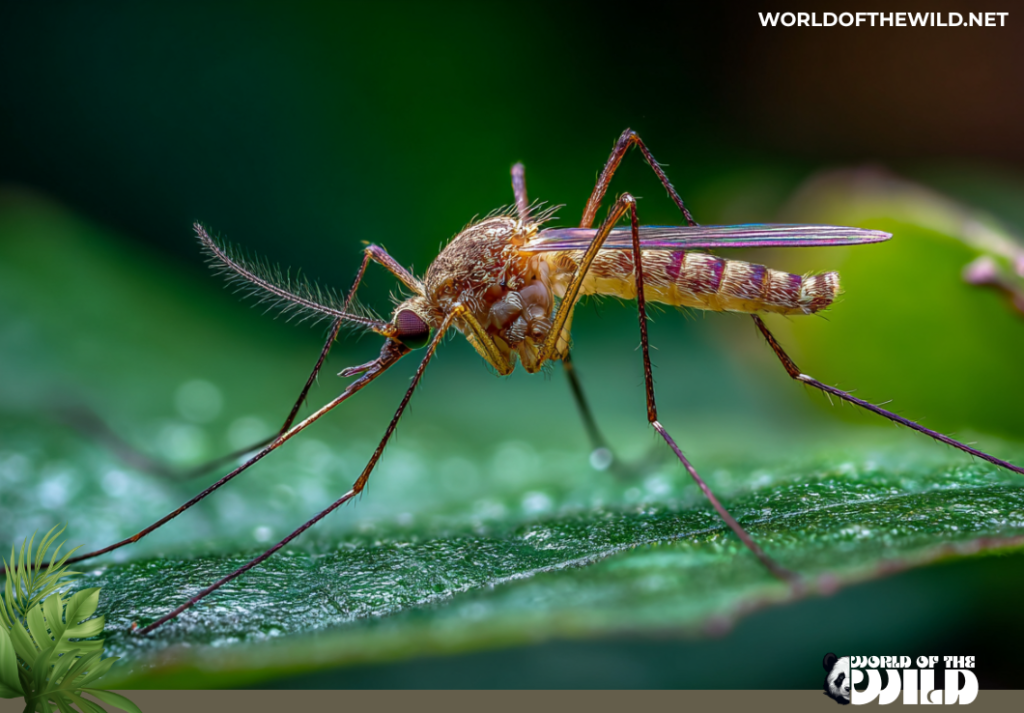
Mosquitoes are delicate-looking insects with slender bodies typically measuring 3 to 6 millimeters in length, though some species can reach up to 19 millimeters. Their bodies are divided into three distinct sections: a small rounded head, a humped thorax, and a long, narrow abdomen composed of ten segments. The head features two large compound eyes containing thousands of individual lenses, providing nearly 360-degree vision, and a pair of antennae covered in fine sensory hairs that detect chemical signals. Male mosquitoes have noticeably bushier, more feathered antennae than females.
The most distinctive feature is the proboscis, a long, thin mouthpart extending from the head. In females, this sophisticated feeding apparatus contains six needle-like stylets enclosed in a protective sheath. The stylets include two maxillae that saw through skin, two mandibles that hold tissue apart, a hypopharynx that injects saliva, and a labrum that draws blood. Males have a simpler proboscis adapted only for feeding on nectar.
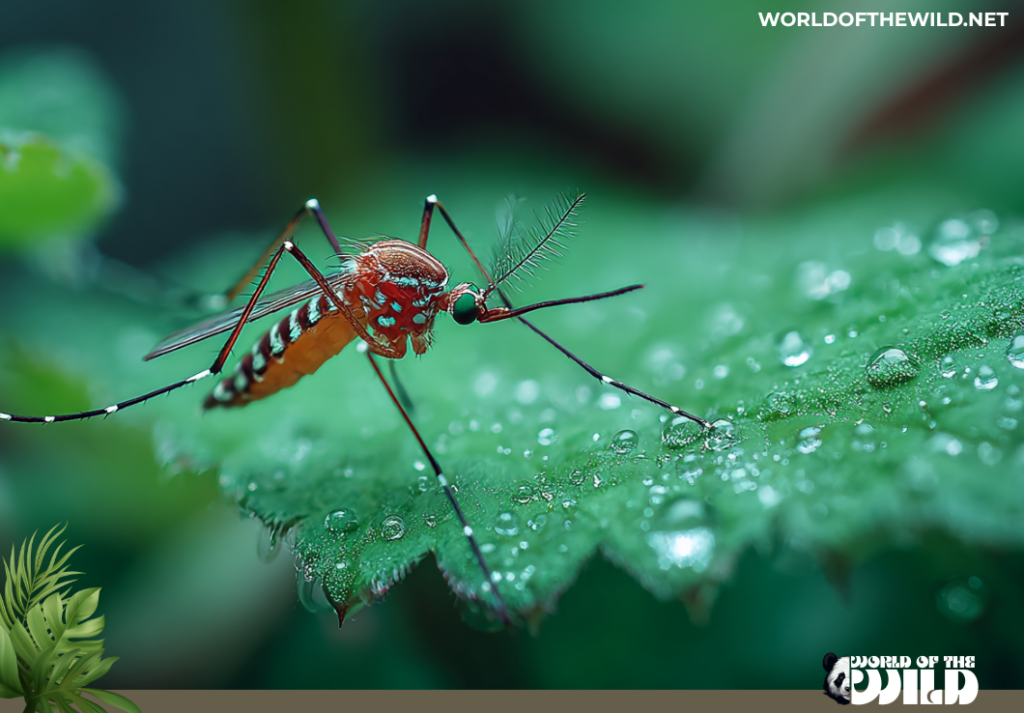
Mosquitoes possess six long, fragile legs covered in scales, and a single pair of functional wings characteristic of all Diptera. The wings are transparent and covered in tiny scales along the veins, creating distinctive patterns used to identify different species. Behind the wings are small, knob-like structures called halteres that act as gyroscopic stabilizers during flight. Most mosquitoes display muted coloration in browns, blacks, and grays, though some species like the Asian tiger mosquito (Aedes albopictus) sport striking black and white stripes on their legs and body.
Behavior
Mosquitoes are crepuscular creatures, most active during dawn and dusk when temperatures are moderate and humidity is high, though some species have adapted to feed at night or even during daylight hours. Their flight patterns appear erratic to human eyes, but they’re actually executing sophisticated search algorithms, using a combination of visual, thermal, and chemical cues to locate hosts. When a female mosquito detects carbon dioxide plumes from an exhaling animal, she flies upwind in a zigzag pattern, getting closer with each pass until she can sense body heat and specific volatile compounds emitted through skin.
Social behavior varies by species. Most mosquitoes are solitary hunters, but they often congregate in large swarms for mating purposes. Male mosquitoes form aerial mating swarms at dusk, hovering in coordinated clouds near landmarks like trees or structures. Females fly into these swarms, where males detect them by the specific frequency of their wingbeats—females beat their wings at approximately 400 Hz, while males fly at about 600 Hz. Upon contact, males adjust their wing frequency to harmonize with the female in a brief acoustic duet before mating, which typically occurs in mid-air and lasts only 10 to 15 seconds.
Communication in mosquitoes is primarily chemical and acoustic. They release and detect pheromones for mating and use their antennae to sense subtle changes in air chemistry. Recent research has revealed that mosquitoes possess remarkable learning abilities—they can remember the scents of individuals who swat at them and will subsequently avoid those people for days, demonstrating a level of associative learning previously unrecognized in such small insects.
Mosquitoes also exhibit interesting defensive behaviors. When threatened, they can detect the increased carbon dioxide output and pheromones released by stressed or swatting animals and will often retreat temporarily. Some species have evolved to feed primarily on sleeping hosts, minimizing detection risk.
Evolution
The evolutionary story of mosquitoes stretches back to the Mesozoic Era, with the earliest definitive mosquito fossils dating to the Cretaceous period, approximately 79 to 100 million years ago. However, molecular evidence suggests the Culicidae family may have originated even earlier, possibly 145 to 200 million years ago during the Jurassic period, making them contemporary with dinosaurs.
The ancestors of modern mosquitoes likely evolved from non-blood-feeding midges in the order Diptera. The transition to hematophagy (blood-feeding) represented a major evolutionary innovation that provided females with the concentrated protein necessary for rapid egg development—a strategy that proved extraordinarily successful. Fossilized mosquitoes preserved in amber from the Cretaceous period show anatomical features remarkably similar to modern species, suggesting their basic body plan has remained relatively stable for tens of millions of years.
A critical evolutionary milestone occurred when mosquitoes diversified alongside mammals and birds following the mass extinction event that eliminated non-avian dinosaurs 66 million years ago. As warm-blooded vertebrates radiated across the globe, mosquitoes evolved specialized adaptations to exploit these new blood sources. Different lineages developed preferences for specific hosts, leading to the remarkable diversity we see today.
The relationship between mosquitoes and the pathogens they transmit represents a fascinating case of co-evolution. Malaria parasites, for instance, have evolved alongside Anopheles mosquitoes for millions of years, developing complex life cycles that require both mosquito and vertebrate hosts. This ancient partnership has exerted tremendous selective pressure on human populations, leading to genetic adaptations like sickle cell trait that provide partial protection against malaria.
Habitat
Mosquitoes have achieved one of the most successful global distributions of any animal group, inhabiting every continent except Antarctica and thriving from tropical rainforests to Arctic tundra. They occupy elevations from below sea level to over 16,000 feet in the Himalayas, though most species show preferences for specific climate zones and elevation ranges.
The primary requirement for mosquito habitat is the presence of standing water, as all mosquito species require aquatic environments for their larval and pupal stages. This need can be satisfied by an astounding variety of water sources, from vast wetlands and rice paddies to something as small as a bottle cap filled with rainwater. Different species have specialized in exploiting specific aquatic habitats: Culex mosquitoes prefer stagnant, often polluted water like storm drains and sewage ditches; Anopheles favor clean, sunlit freshwater pools and the edges of slow-moving streams; Aedes species colonize container habitats, including tree holes, plant axils, and artificial containers like tires and flowerpots.
Tropical and subtropical regions support the greatest mosquito diversity, with hot, humid climates providing ideal conditions year-round. In these areas, mosquitoes breed continuously without seasonal interruption. Temperate zone species have evolved remarkable cold-hardiness, with some able to survive freezing winters through diapause—a state of suspended development where eggs or larvae can withstand months of ice. Arctic mosquitoes emerge in massive swarms during the brief summer thaw, exploiting the countless pools created by melting permafrost.
Urban environments have become increasingly important mosquito habitats as human activity creates artificial breeding sites. Cities with inconsistent water management, aging infrastructure, and abundant discarded containers provide ideal conditions for species like Aedes aegypti and Aedes albopictus, which have become highly adapted to human-dominated landscapes. Conversely, pristine wilderness areas including rainforests, mangroves, savannas, and marshlands support diverse mosquito communities that play important ecological roles in their respective ecosystems.
Diet
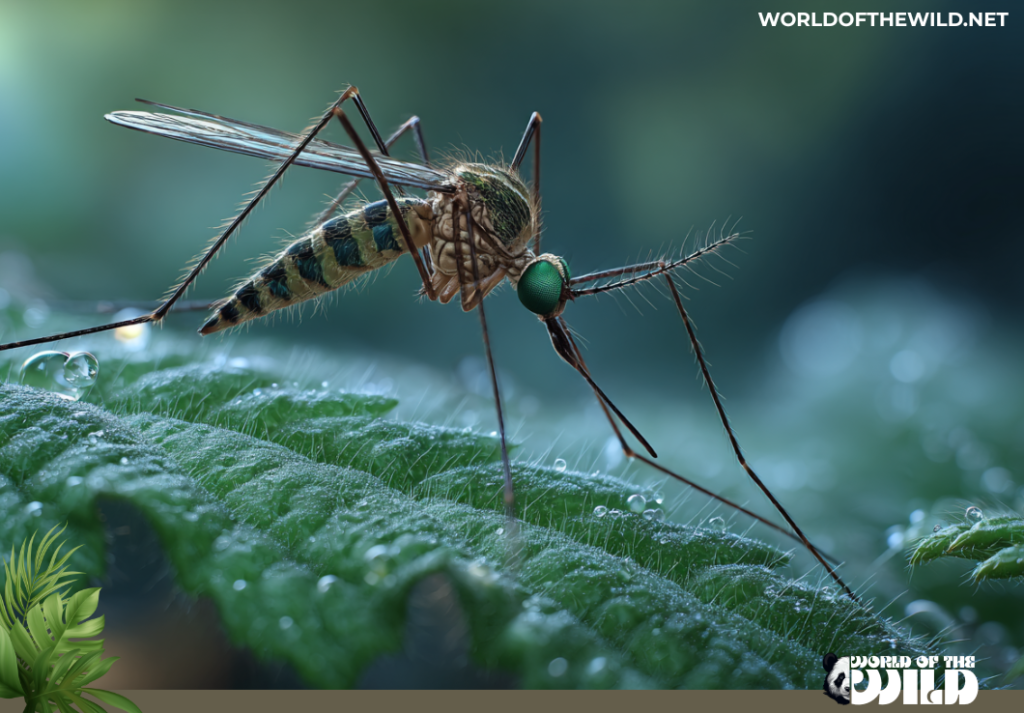
Mosquitoes display a unique sexual dimorphism in dietary habits. Male mosquitoes are obligate nectarivores throughout their lives, feeding exclusively on plant nectar, honeydew, and other sugary plant secretions. Their mouthparts are adapted only for sipping liquids from flowers, and they play a minor but genuine role as pollinators for certain plant species, particularly in Arctic and subarctic regions where they visit flowers in large numbers.
Female mosquitoes, by contrast, are facultative hematophages—blood-feeders by necessity rather than preference. Like males, they consume nectar and plant sugars as their primary energy source for flight and daily survival. However, females of most species require a blood meal to obtain the proteins and lipids necessary for egg development, a process called vitellogenesis. Without blood, most female mosquitoes cannot produce viable eggs, though a few species can produce a first batch of eggs without blood using protein reserves from their larval stage.
The feeding process is remarkably sophisticated. When a female mosquito lands on a host, she uses sensory receptors on her legs and proboscis to select an ideal puncture site with minimal nerve endings. Her proboscis penetrates the skin with a sawing motion, probing until it locates a blood vessel. She then injects saliva containing anticoagulants, vasodilators, and anti-inflammatory compounds that facilitate blood flow and prevent detection. The actual feeding takes anywhere from 30 seconds to several minutes, during which she can consume up to three times her body weight in blood.
Host preferences vary by species. Some mosquitoes are generalists, feeding on mammals, birds, reptiles, and amphibians opportunistically. Others are specialists: Uranotaenia sapphirina feeds almost exclusively on amphibians and reptiles, while certain Culex species prefer birds. Aedes aegypti shows a strong preference for human blood, an adaptation that makes it particularly efficient at transmitting human diseases. Interestingly, research has shown that mosquitoes can distinguish between individual humans based on odor profiles and will preferentially feed on people with higher concentrations of certain skin bacteria and chemical compounds.
Predators and Threats
Despite their fearsome reputation, mosquitoes occupy a crucial position in food webs and face predation at every life stage. Aquatic larvae and pupae are consumed by a diverse array of predators including fish (particularly mosquitofish, guppies, and killifish), diving beetles, dragonfly and damselfly nymphs, and predatory aquatic insects. Some mosquito species, particularly in the genus Toxorhynchites, have larvae that prey on other mosquito larvae. Tadpoles, salamander larvae, and certain waterfowl also feed heavily on mosquito larvae in wetland environments.
Adult mosquitoes face an equally formidable lineup of predators. Bats are perhaps the most famous mosquito predators, though their actual impact is often overstated—a single bat might consume hundreds of insects per night, but mosquitoes typically comprise a small percentage of their diet. More significant mosquito predators include birds (particularly swallows, nighthawks, and purple martins), dragonflies (which are sometimes called “mosquito hawks”), spiders, and other predatory insects. Frogs and toads consume large numbers of mosquitoes, as do certain reptiles like geckos and lizards.
Parasites and pathogens also take a toll. Fungi in the genus Coelomomyces infect mosquito larvae, while various microsporidian parasites can reduce adult mosquito fitness and longevity. Certain nematodes parasitize mosquitoes, and viral infections can spread through mosquito populations.
Anthropogenic threats to mosquitoes are paradoxical. While humans spend billions annually trying to eradicate mosquitoes through insecticide spraying, habitat modification, and biological control programs, these efforts have generally failed to significantly reduce global mosquito populations. Instead, they’ve driven the evolution of insecticide resistance in many species, creating strains that survive exposure to chemicals that once killed them reliably.
The genuine threats to mosquitoes mirror those facing most wildlife: large-scale habitat destruction, particularly the draining of wetlands and pollution of water bodies, can eliminate breeding sites for specialist species. Climate change presents a mixed picture—while it expands the range of some mosquito species into previously uninhabitable areas, it may also disrupt the delicate timing of seasonal emergence and eliminate habitat for cold-adapted species. However, given mosquitoes’ extraordinary adaptability and rapid reproductive rate, most species remain far from threatened with extinction.
Reproduction and Life Cycle
Mosquito reproduction follows a complex life cycle involving complete metamorphosis with four distinct stages: egg, larva, pupa, and adult. The process begins with mating, which typically occurs within the first few days of adult emergence. After mating in aerial swarms, females store sperm in specialized organs called spermathecae, which can keep sperm viable for the female’s entire lifetime, allowing her to fertilize multiple egg batches from a single mating.
Following a blood meal, females seek appropriate water sources for egg-laying. Depending on the species, they may deposit eggs individually on water surfaces (Anopheles), in floating rafts containing up to 300 eggs (Culex), or on damp surfaces just above the waterline where they’ll be submerged by rising water levels (Aedes). The eggs of some Aedes species can survive desiccation for months or even years, hatching when flooded—an adaptation that allows them to persist through dry seasons and facilitates their spread through global commerce in used tires and other containers.
Eggs hatch into aquatic larvae, commonly called “wrigglers” due to their distinctive swimming motion. Larvae pass through four developmental stages called instars, growing larger with each molt. They breathe air through a siphon tube extending from their abdomen to the water’s surface (except Anopheles larvae, which float parallel to the surface and breathe through spiracles). Larvae are filter feeders, consuming bacteria, algae, protozoa, and organic detritus. The larval stage typically lasts 5 to 14 days, depending on temperature and food availability.
The larva then transforms into a comma-shaped pupa, or “tumbler,” which doesn’t feed but remains active and mobile. Unlike the pupae of most insects, mosquito pupae can swim vigorously if disturbed. This pupal stage is brief, usually lasting 1 to 4 days, during which dramatic internal reorganization occurs. The adult mosquito then emerges from the pupal case at the water’s surface, resting briefly to allow its wings and exoskeleton to harden before taking its first flight.
Adult males typically live 5 to 7 days, while females can survive several weeks to several months depending on species, temperature, and humidity. In temperate regions, some females enter a dormant state called diapause during winter and can survive for up to six months. Throughout her life, a female mosquito may take multiple blood meals and lay several batches of eggs, potentially producing thousands of offspring. The entire life cycle from egg to egg-laying adult can be completed in as little as one week under optimal conditions.
Population
Assessing the conservation status of mosquitoes as a group presents an unusual challenge. Unlike most animals featured in nature articles, mosquitoes are not conservation priorities—quite the opposite. The vast majority of mosquito species are classified as Least Concern by conservation standards, and many are among the world’s most abundant and successful insects. Global mosquito populations are estimated in the trillions, with some scientists suggesting there may be as many as 110 trillion individual mosquitoes on Earth at any given time.
Population dynamics vary dramatically by species and season. In tropical regions, mosquito populations remain relatively stable year-round, while temperate and Arctic regions experience explosive seasonal booms. A single Arctic breeding pool can produce thousands of mosquitoes per square meter during the brief summer season, creating swarms so dense they can exsanguinate large mammals if exposure is prolonged.
Rather than facing extinction threats, most mosquito species are expanding their ranges due to climate change, global trade, and urbanization. Species like Aedes albopictus have spread from their native Asian habitats to every continent except Antarctica over the past few decades, transported in used tires and other cargo. Aedes aegypti, nearly eradicated from the Americas in the mid-20th century through intensive control campaigns, has fully recovered and now infests urban areas across the tropics and subtropics.
The few mosquito species that might face population pressures are habitat specialists dependent on pristine environments that are themselves threatened. Some species endemic to isolated islands or rare wetland types could theoretically face decline, though no mosquito species is currently listed as endangered or threatened.
From a public health perspective, the goal is not mosquito conservation but population control. The World Health Organization and various national health agencies actively work to reduce mosquito populations, particularly of disease-vector species, through integrated pest management strategies. Genetic modification technologies, including gene drives designed to suppress mosquito populations, are being developed and tested, raising complex questions about the ecological consequences of potentially eliminating certain mosquito species from ecosystems where they’ve existed for millions of years.
Conclusion
The mosquito represents one of nature’s most successful—and from a human perspective, most consequential—evolutionary experiments. These tiny insects have mastered nearly every terrestrial habitat, developed sophisticated hunting strategies, and inadvertently shaped human history through their role as disease vectors. While we rightly recognize them as dangerous and work to mitigate the immense suffering they cause through disease transmission, we must also acknowledge their remarkable biology and ecological importance.
Mosquitoes serve as critical food sources for countless species, from larval stages supporting aquatic food webs to adults nourishing birds, bats, and other insectivores. They contribute to pollination, particularly in Arctic ecosystems, and they’ve driven evolutionary adaptations across a wide range of host species. As we develop new technologies to combat mosquito-borne diseases—from improved vaccines to genetic modification strategies—we face important questions about the appropriate balance between public health imperatives and ecological preservation.
The war against mosquitoes is ultimately a war against disease, not against the insects themselves. Understanding these ancient creatures, their biology, and their ecology is essential to developing targeted, sustainable strategies that protect human health while preserving the intricate web of life in which mosquitoes play an undeniable role. In our rapidly changing world, where climate change and globalization are reshaping mosquito distributions and disease patterns, this understanding has never been more critical. The humble mosquito, for all its negative impacts, stands as a powerful reminder of nature’s complexity and our ongoing need to approach pest management with both scientific rigor and ecological wisdom.
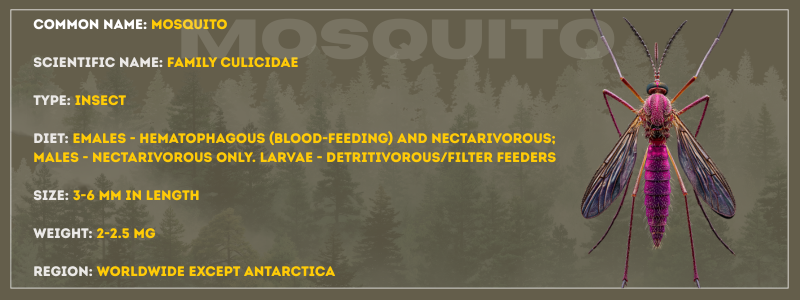
Scientific Name: Family Culicidae (approximately 3,600 species across 110+ genera)
Diet Type: Adults: Females – hematophagous (blood-feeding) and nectarivorous; Males – nectarivorous only. Larvae – detritivorous/filter feeders
Size: 3-6 mm in length (typical); some species up to 19 mm
Weight: 2-2.5 mg (average adult)
Region Found: Worldwide except Antarctica; present on all continents and most islands, from tropical to subarctic regions