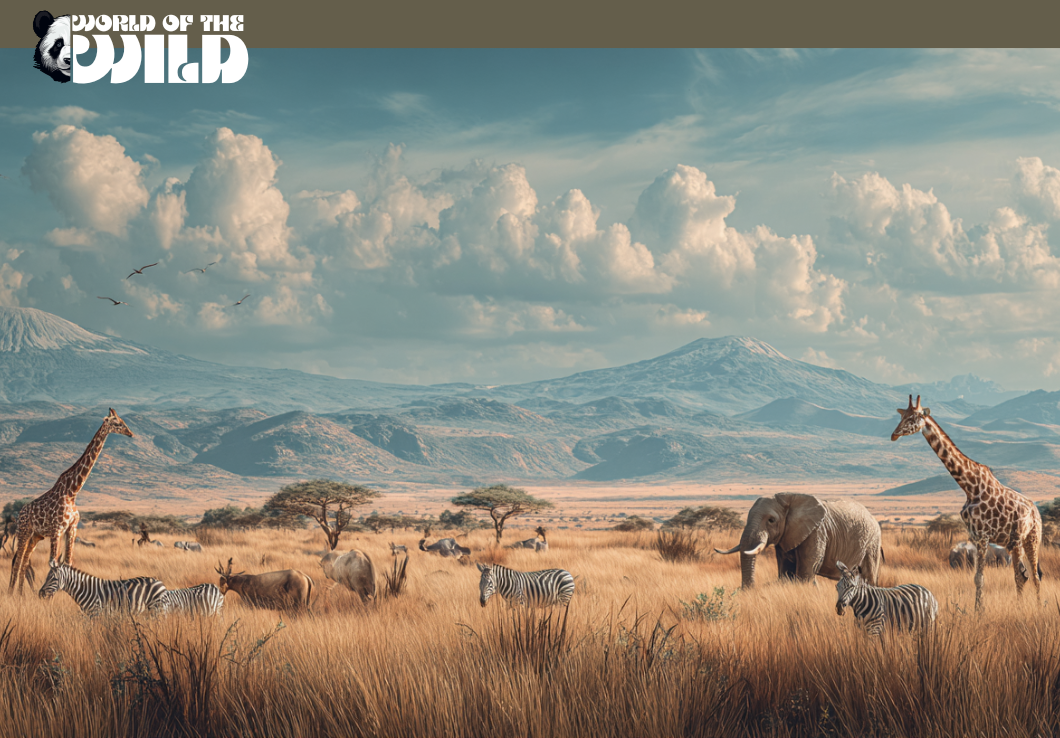

There is no landscape on Earth quite like the African grasslands. Stretching across more than 13 million square kilometres of the continent, these sweeping seas of golden grass, scattered acacia trees, and vast open skies represent one of the most iconic — and most complex — ecosystems our planet has ever produced. They are a place where the drama of life and death plays out in full view, where thundering herds of wildebeest darken the horizon and a single lion’s roar can silence an entire plain. Yet behind the raw spectacle lies a surprisingly delicate world, one shaped by ancient forces and now facing threats that test its resilience like never before.
Whether you know it as the savanna, the bushveld, the miombo woodland, or simply “the African bush,” the grasslands of Africa are a place that gets under your skin. This article explores the richness of that world — its remarkable wildlife, the environmental forces that shape it, and the challenges it must overcome to survive into the future.
What Are the African Grasslands?
The African grasslands, broadly referred to as savannas, are tropical and subtropical ecosystems defined by a continuous layer of grass punctuated by trees and shrubs. They are not uniform — the continent hosts a remarkable diversity of grassland types, from the short-grass plains of the Serengeti in Tanzania to the tall elephant grass corridors of the Kruger National Park in South Africa, and the arid thornveld of Namibia to the lush floodplains of the Okavango Delta in Botswana.
What all of these environments share is a defining rhythm: distinct wet and dry seasons that dictate everything — when grass grows, when rivers flood, when animals give birth, and when predators feast. The wet season, roughly from November to April across much of sub-Saharan Africa, transforms the landscape into a lush green carpet. The dry season, brutal and unforgiving, scorches the land to gold and brown, concentrating wildlife around dwindling water sources and forcing animals into strategies of survival refined over millions of years.
Geographically, the grasslands span much of central, eastern, and southern Africa. The East African savanna — spanning Kenya, Tanzania, and Uganda — is perhaps the most famous, home to the Serengeti-Mara ecosystem and the iconic Masai Mara. Southern Africa’s grasslands extend through Zimbabwe, Botswana, Zambia, and South Africa. West Africa has its own savanna belt, the Guinea and Sudan savannas, stretching across Nigeria, Ghana, and beyond. Together, these regions form a mosaic of life that has no equal.
The Animals of the African Grasslands
To speak of the animals of the African savanna is to speak of some of the most extraordinary creatures that have ever walked the Earth. The grasslands support an unmatched density and diversity of large mammals, alongside thousands of species of birds, reptiles, insects, and smaller animals that quietly underpin the entire system.
The Great Grazers
No group of animals is more central to the identity of the African grasslands than its herbivores. The wildebeest — over 1.5 million of them — undertakes the famous Great Migration, a year-round circular journey between the Serengeti and the Masai Mara in search of fresh grass and water. It is the largest overland migration of any animal on Earth, a spectacle so vast it can be tracked from space.
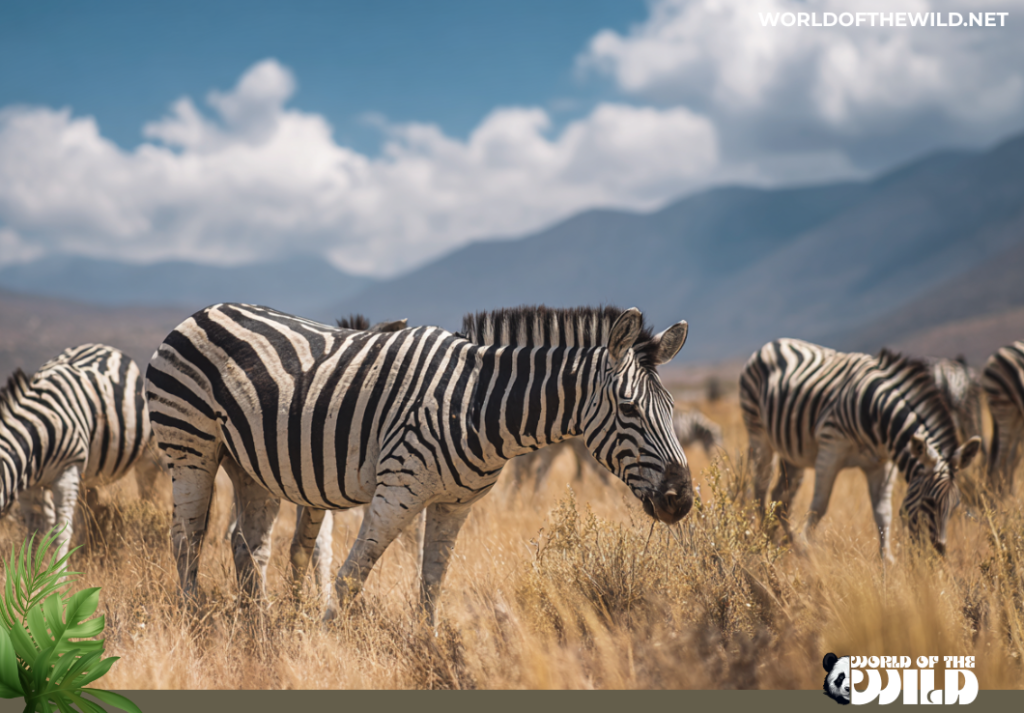
Alongside the wildebeest travel hundreds of thousands of zebras, with their striking black and white stripes — a pattern long debated among scientists and now believed to play a role in confusing biting flies and aiding social recognition. Zebras are not merely companions to wildebeest; they are ecological partners, grazing on the coarser tops of grasses and leaving the nutritious lower shoots exposed for wildebeest and gazelles that follow.
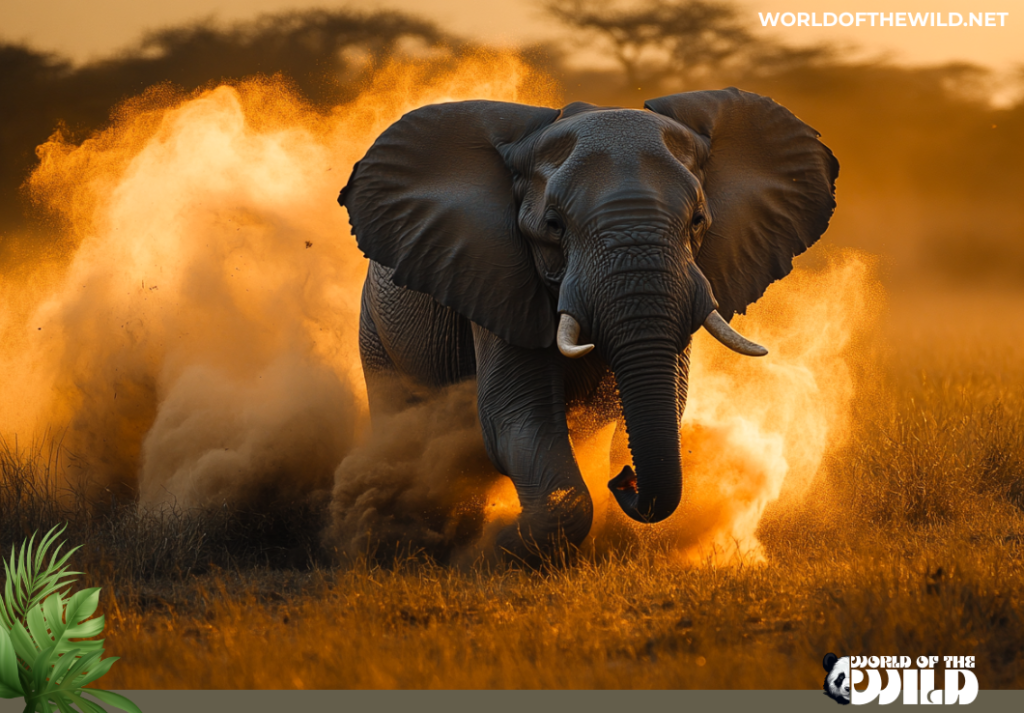
The African elephant, the largest land animal on Earth, is a keystone species of the grasslands. Elephants do not simply live in the ecosystem — they engineer it. They knock down trees, opening up dense woodland into grassland. They dig for water during dry seasons, creating watering holes that sustain dozens of other species. Their dung fertilises the soil and distributes seeds across enormous distances. A landscape without elephants is a fundamentally different — and lesser — landscape.
The African buffalo is one of the most formidable herbivores on the continent, travelling in herds of hundreds or even thousands. Cape buffalo are notoriously unpredictable and are responsible for more human fatalities in Africa than any other large animal. Yet within their herds, they display sophisticated social behaviour, including what researchers have described as democratic decision-making — the direction of travel appearing to be influenced by a kind of voting system through body posture.
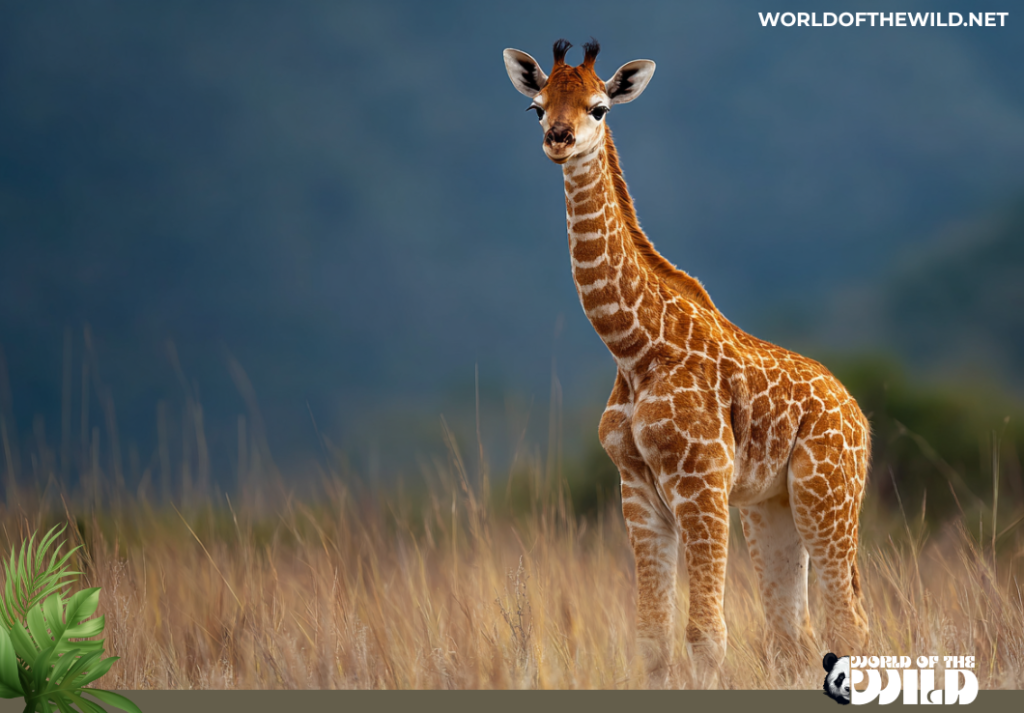
Other iconic grazers include the impala, arguably Africa’s most abundant antelope and the staple prey of countless predators; the graceful gerenuk, which stands on its hind legs to browse on thorny acacia; the stately giraffe, whose long neck gives it exclusive access to the highest and most nutritious leaves; the massive hippopotamus, which spends its days in rivers and lakes but emerges at night to graze grasslands; and the white and black rhinoceros, two of the most endangered large mammals on the planet and among the most ancient-looking creatures alive today.
The Predators
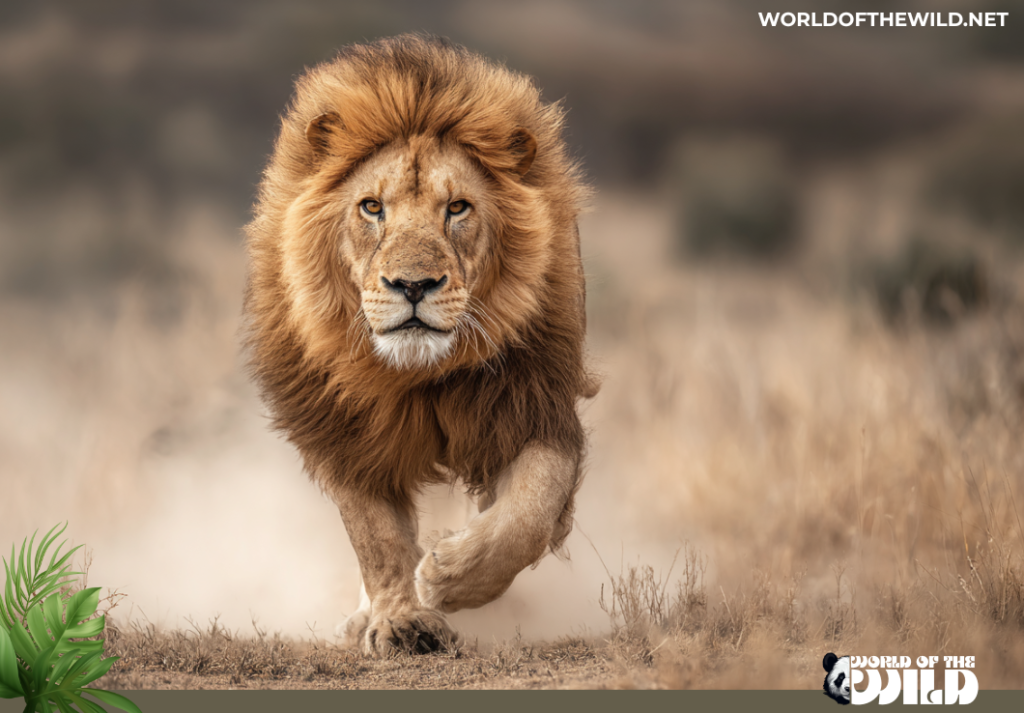
The predators of the African savanna are the animals most people dream of seeing — and for good reason. The African lion is the apex predator of the grasslands, a social hunter that lives in family groups called prides. Lions are the only truly social wild cats, and their cooperative hunting strategies allow them to take down prey as large as buffalo and giraffe. The deep resonant roar of a lion, carrying across kilometres of open grassland, is one of the most primal and memorable sounds in nature.
The leopard is the savanna’s master of stealth, a solitary and largely nocturnal hunter that drags kills weighing twice its own body weight up into the branches of trees to keep them from scavengers. Leopards are remarkably adaptable animals, found across a wider range of habitats than any other wild cat — from dense forest to open grassland to the outskirts of human settlements.
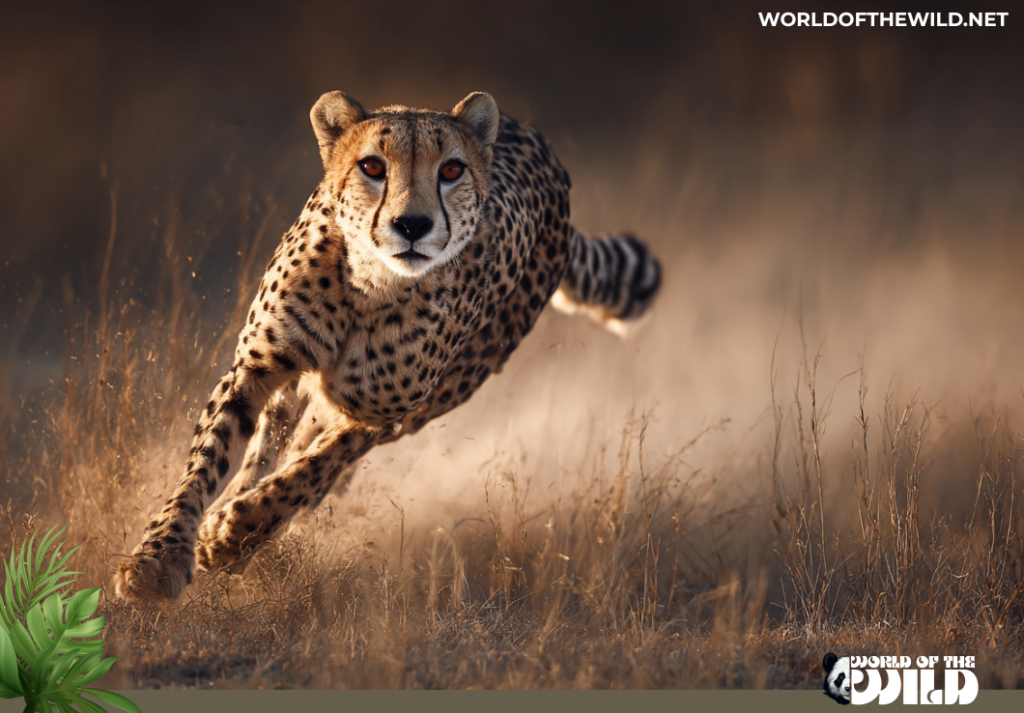
The cheetah, the fastest land animal on Earth reaching speeds of up to 120 kilometres per hour, occupies a different niche. Unlike lions and leopards, cheetahs rely on speed and daylight for hunting, targeting gazelles and impalas in explosive short-distance chases. They are, however, physically fragile for their size, often losing kills to larger predators and vultures.
The African wild dog, or painted wolf, is one of the continent’s most endangered large carnivores and one of its most misunderstood. Wild dogs hunt in coordinated packs, achieving success rates of up to 80% — far higher than lions or leopards. They are deeply social animals with complex communication and cooperative care of pups. Despite this, they have been historically persecuted, and fewer than 6,000 remain in the wild.
No account of grassland predators would be complete without the spotted hyena, an animal that has suffered enormously from an undeserved reputation. Hyenas are not merely scavengers — they are highly efficient hunters, responsible for the majority of their own kills. They possess the strongest bite force relative to body size of any African mammal, capable of crushing bone to extract marrow. Hyena clans are matriarchal and highly intelligent, with social structures of remarkable complexity.
Birds of the Grasslands
The skies above the African savanna are alive with birds. The ostrich, the world’s largest bird and incapable of flight, strides through the grasslands on powerful legs that can deliver a kick strong enough to kill a lion. Secretary birds, extraordinary raptors that hunt on foot, stomp through the grass killing snakes with their powerful feet. Lilac-breasted rollers flash their improbable jewel-coloured plumage from perches along roadsides and fence posts. Superb starlings shimmer in iridescent blues and greens. Bee-eaters dive and wheel in brilliant flashes of colour over termite mounds.
Vultures, though much maligned, are among the savanna’s most essential residents. As nature’s cleanup crew, they consume carcasses rapidly and efficiently, preventing the spread of disease across the landscape. Multiple species of vulture — white-backed, lappet-faced, hooded, Cape — circle in thermal columns that serve as a signal to lions, hyenas, and other carnivores that a meal is nearby, creating an interconnected communication network visible for kilometres.
Reptiles and Smaller Life
Nile crocodiles lurk in the rivers that the Great Migration must cross — the bloody Mara River crossing is one of wildlife television’s most iconic moments, as crocodiles ambush wildebeest and zebra in explosive attacks. Rock pythons coil silently in kopjes (rocky outcrops). Hundreds of species of lizard and chameleon cling to rocks and branches. Monitor lizards patrol riverbanks and termite mounds in search of eggs and carrion.
Below the surface and beneath the notice of most visitors, the invertebrate life of the savanna is staggering. Termites are the great engineers of the grassland soil, constructing mounds several metres high that regulate temperature and humidity, aerate the soil, and break down dead plant material. Their activity underpins the entire nutrient cycle of the ecosystem. Dung beetles perform a similarly vital service, rolling animal dung into balls that they bury, simultaneously recycling nutrients and burying seeds. The African savanna, from elephant to dung beetle, is a system in which every species has a role to play.
The Positives: What Makes the African Grasslands Extraordinary
Biodiversity Unmatched
The African grasslands contain the highest concentration of large mammal species found anywhere on Earth. Over 1,000 species of birds, more than 100 species of large mammals, and hundreds of reptile and amphibian species call the savanna home. This biodiversity is not merely impressive in a list sense — it represents millions of years of co-evolution, a web of relationships so intricate and finely tuned that it continues to generate new scientific discoveries every year.
Ecological Resilience
The grassland ecosystem has evolved over tens of millions of years alongside climate variability, drought, fire, and the pressure of grazing animals. Savanna grasses have developed extraordinary resistance to drought and fire — many species actually need fire to thrive, with underground root systems that survive burning and regrow rapidly, refreshing the nutritional quality of pasture. This resilience gives the grasslands a natural capacity to recover from disturbance, provided the pressures upon them are not sustained beyond natural levels.
Carbon Storage and Climate Regulation
Grasslands are significant carbon sinks. While they store less carbon per hectare than tropical forests, the vast extent of Africa’s savannas means their total carbon storage is substantial. Savanna soils in particular — especially the deep, organic-rich soils of undisturbed grassland — lock away significant quantities of carbon. Healthy grasslands also play a role in regional rainfall patterns, with the moisture released by vegetation contributing to rainfall in areas far beyond the grassland itself.
The Water Cycle
The grasslands play a vital role in regulating Africa’s water systems. Rivers that rise in savanna highlands — the Zambezi, the Limpopo, the Ruaha — sustain hundreds of millions of people downstream. Intact grassland vegetation slows rainfall runoff, allowing water to infiltrate the soil and recharge underground aquifers. Wetland areas within the grassland landscape, such as the Okavango Delta and the Bangweulu Wetlands, are among the most important freshwater ecosystems on Earth.
Tourism and Livelihoods
The African savanna is one of the world’s premier wildlife tourism destinations. Wildlife tourism generates billions of dollars annually across East and Southern Africa, sustaining national parks, conservation programs, and hundreds of thousands of jobs. For communities living adjacent to protected areas, wildlife can represent a vital economic resource — one that provides a compelling financial argument for conservation in countries where poverty and land pressure are acute.
The Negatives: The Threats Facing the Grasslands
Habitat Loss and Fragmentation
The single greatest threat to the African grasslands is the conversion of land to agriculture. Africa’s human population is expected to more than double by 2050, and the pressure to convert savanna to farmland is immense. As grasslands are broken up by fields, fences, roads, and settlements, wildlife populations become isolated in shrinking patches of habitat — too small to support viable populations of large animals, too fragmented for the great migrations that define the ecosystem.
Land fragmentation also disrupts the seasonal movements that many grassland species depend upon. When a migration route is blocked by a fence or a road, animals cannot access dry-season water or wet-season grazing, with potentially catastrophic consequences for entire populations.
Poaching and Illegal Wildlife Trade
The illegal killing of wildlife remains one of the gravest crises facing Africa’s grasslands. Rhino poaching, driven by demand for rhino horn in parts of Asia where it is falsely believed to have medicinal properties, brought both the white rhino and critically endangered black rhino perilously close to extinction. Elephant poaching for ivory devastated elephant populations across the continent in the 1970s and 1980s and has returned as a serious threat in several regions.
Lions, leopards, cheetahs, and wild dogs are targeted for bush meat, retaliatory killing by farmers who lose livestock, and the illegal trade in live animals and body parts. The poaching crisis is not simply a conservation problem — it is a criminal enterprise linked to organised crime, corruption, and insecurity that affects human communities as deeply as it affects wildlife.
Human-Wildlife Conflict
As human settlements expand into and around wildlife areas, encounters between people and animals become more frequent and more deadly — for both sides. Lions and leopards take livestock. Elephants raid crops, destroying in a single night what a family has spent months growing. Hippopotamuses and crocodiles kill people working near rivers. These conflicts generate deep resentment toward wildlife among communities that pay the price of living alongside dangerous animals without receiving an equitable share of the economic benefits those animals generate through tourism.
Human-wildlife conflict is one of the most complex challenges in African conservation, requiring approaches that address both human welfare and wildlife protection simultaneously — not as competing priorities, but as inseparable ones.
Climate Change
Climate change poses an existential threat to the African grasslands. Rising temperatures and shifting rainfall patterns are already altering the timing and distribution of the wet and dry seasons that the entire ecosystem is built around. More frequent and intense droughts reduce grass cover and concentrate animals around shrinking water sources, increasing competition, disease transmission, and mortality. Unpredictable rainfall disrupts the timing of calving seasons that have evolved to coincide with the flush of new grass after rains. Increasing temperatures may push some areas beyond the climatic envelope suitable for grassland vegetation, allowing woodland or scrub to encroach.
Models suggest that climate change will increasingly stress water availability across much of sub-Saharan Africa, with profound consequences for the rivers, wetlands, and aquifers that sustain the savanna’s wildlife.
Invasive Species
The African grasslands are facing growing pressure from invasive plant species. Exotic grasses — notably Buffel grass (Cenchrus ciliaris) and Guinea grass (Megathyrsus maximus), introduced in some areas for cattle grazing — spread aggressively, outcompeting native vegetation and fundamentally changing the structure and fire behaviour of the savanna. Invasive trees such as Lantana and Syringa alter light levels and soil chemistry, reducing the diversity of native grasses and the animals that depend on them.
Overgrazing
Where livestock numbers are not managed sustainably, overgrazing can devastate grassland vegetation, destabilising soil, reducing water infiltration, and triggering erosion. Large areas of African grassland have been degraded by excessive livestock pressure, transforming diverse, resilient grassland into degraded scrubland with little capacity to support wildlife or sustain livelihoods.
Conservation: Reasons for Hope
The challenges facing the African grasslands are immense — but so is the work being done to protect them. Across the continent, a new generation of conservation approaches is emerging that recognises what scientists and indigenous communities have long understood: that the best protection for wildlife comes from ensuring that the people who live alongside it have a genuine stake in its survival.
Community conservancies in Kenya, Namibia, and Zimbabwe have demonstrated that when communities receive direct benefits from wildlife — through tourism revenue sharing, employment, and greater control over local resources — poaching declines, wildlife populations recover, and human wellbeing improves. The Namibian community conservancy model in particular has become a global standard, demonstrating that conservation and development need not be in conflict.
Transfrontier conservation areas — vast protected zones that span national borders — are restoring the large-scale connectivity that migratory wildlife requires. The Great Limpopo Transfrontier Park, linking South Africa, Zimbabwe, and Mozambique, has removed thousands of kilometres of fencing, allowing wildlife to move freely across an enormous landscape for the first time in decades.
Anti-poaching operations, though imperfect, have become increasingly sophisticated, combining ranger patrols with aerial surveillance, camera traps, sniffer dog units, and even artificial intelligence to protect key wildlife populations. In South Africa, intensive protection efforts have brought white rhino populations back from fewer than fifty individuals at the turn of the twentieth century to more than eighteen thousand by the early twenty-first — one of conservation’s great success stories, though the species now faces renewed poaching pressure.
Scientific research is expanding our understanding of the grassland ecosystem in ways that are changing management practice. Long-term studies in the Serengeti have illuminated the dynamics of predator-prey relationships, the role of fire in maintaining grass diversity, and the way that rainfall variation drives the entire system. This knowledge is being applied in protected area management across the continent, informing decisions about burning, water provision, fencing, and the reintroduction of locally extinct species.
Conclusion: A Landscape Worth Fighting For
The African grasslands are more than a tourist attraction or a geographical feature. They are one of the foundational ecosystems of our planet — a living system of staggering complexity that has shaped the evolution of life on Earth, including our own. It was in the savannas of East Africa that our earliest ancestors stood upright and looked out across a landscape not so different from the one that exists there today. In a very real sense, the African grasslands are where we come from.
They are a landscape of superlatives — the largest migration, the biggest land animal, the fastest runner, the most complex predator-prey system, the richest mammal diversity on Earth. But they are also a landscape of subtleties — the call of a nightjar at dusk, the patient geometry of a spider’s web strung between grass stems, the way an elephant matriarch leads her family to a waterhole she last visited twenty years ago.
The threats these grasslands face are serious, and the window for action is not unlimited. But the African savanna has endured for millions of years, shaped by forces far greater than human activity, and it retains a profound capacity for recovery when given the chance. What it needs, above all, is the commitment of the communities that live within it, the governments that steward it, and the global community that benefits from its existence — to ensure that this extraordinary world does not become just a memory.
The grasslands are watching. And they are waiting to see what we will do.
Want to learn more about the animals that call the African grasslands home? Explore our full species profiles in the Animal sections at Worldofthewild.net.