
The Contenders
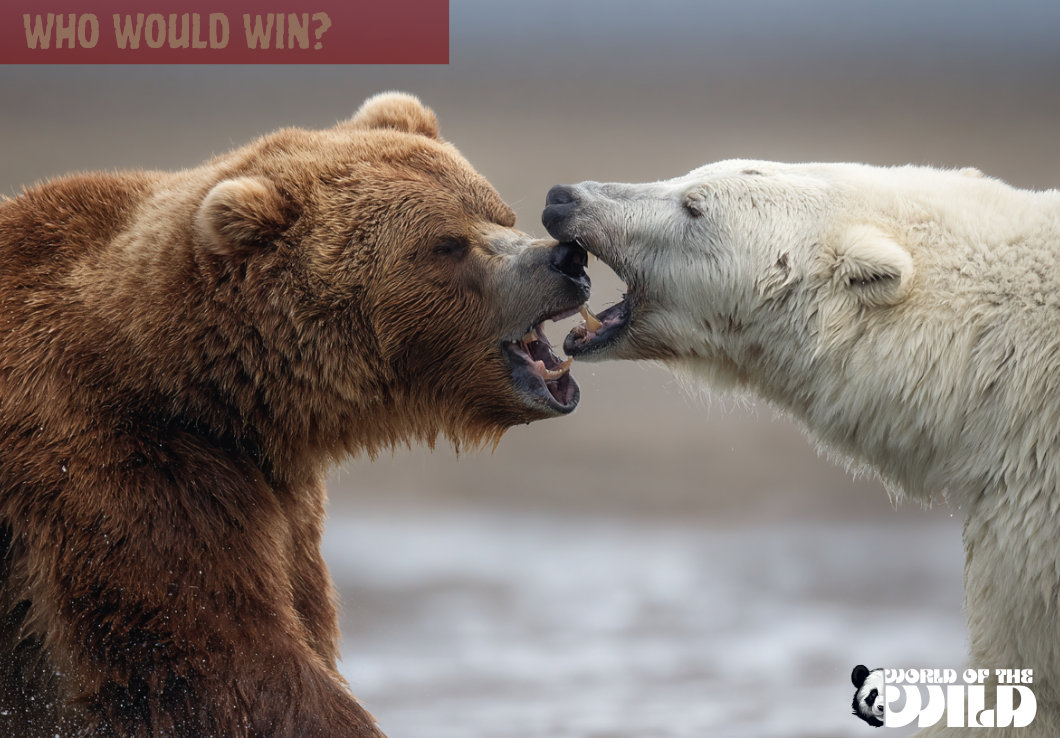
In the frozen battleground where tundra meets boreal forest, two of nature’s most formidable apex predators stand face-to-face. In one corner: the Grizzly Bear (Ursus arctos horribilis), the muscle-bound bruiser of the North American wilderness, renowned for its devastating power and hair-trigger aggression. In the other: the Polar Bear (Ursus maritimus), the Arctic’s largest land carnivore, a marine predator built for domination in the harshest environment on Earth. Both are members of the Ursidae family, both are capable of taking down prey ten times their strength, and both have well-earned reputations as animals you absolutely do not want to encounter in the wild. But if these two giants were to collide, which bear walks away supreme?
Tale of the Tape
| Category | Grizzly Bear 🐻 | Polar Bear 🐻❄️ |
|---|---|---|
| Size/Weight | 400-800 lbs (males up to 900 lbs) | 900-1,600 lbs (males) |
| Height (standing) | 7-10 feet | 8-11 feet |
| Speed | 35 mph in short bursts | 25 mph on land, 6 mph swimming |
| Bite Force | ~1,200 PSI | ~1,200 PSI |
| Weaponry | 2-4 inch claws, massive shoulder hump | 3-5 inch claws, massive paws |
| Special Abilities | Explosive aggression, incredible digging power | Superior reach, exceptional stamina, marine adaptations |
Physical Advantages
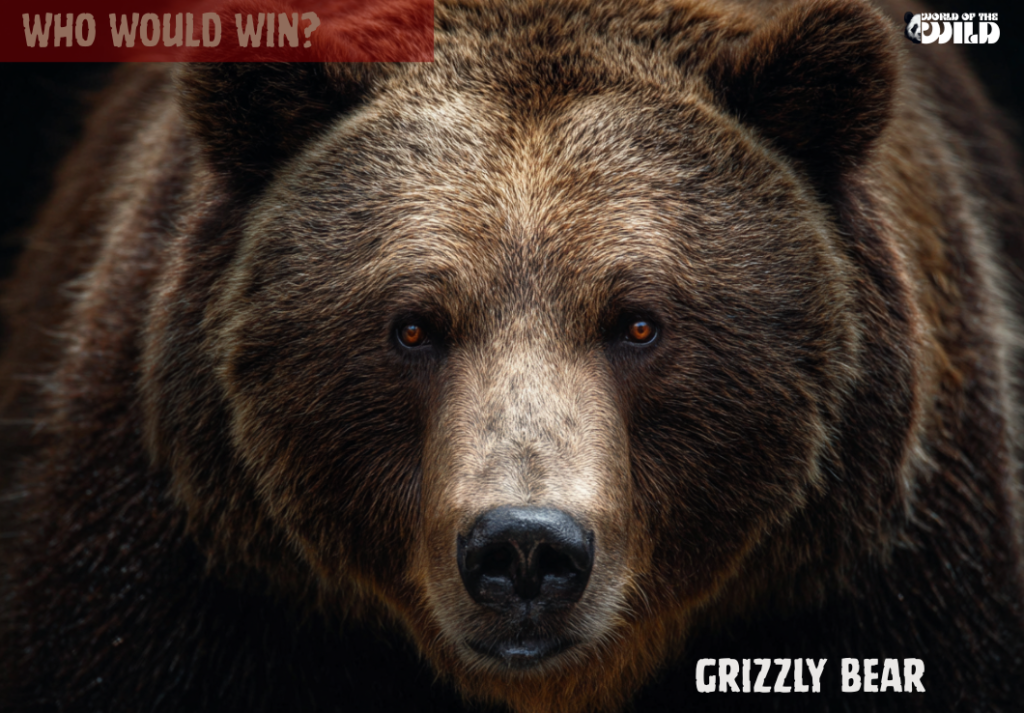
The Grizzly’s Arsenal: The grizzly’s most devastating feature is its legendary shoulder hump—a massive mound of pure muscle that powers bone-crushing swipes and allows it to overturn 700-pound boulders like pancakes. Those muscular forelimbs can decapitate a moose with a single blow. Grizzlies are also renowned for their aggression; they’re notoriously territorial and explosive when threatened, attacking with a berserker fury that has made them legendary among wilderness encounters. Their slightly shorter, more curved claws are optimized for digging and ripping, perfect for close-quarters combat. Add to this their incredible wrestling ability—grizzlies regularly grapple with each other in dominance battles—and you’ve got a fighter built for brawling.
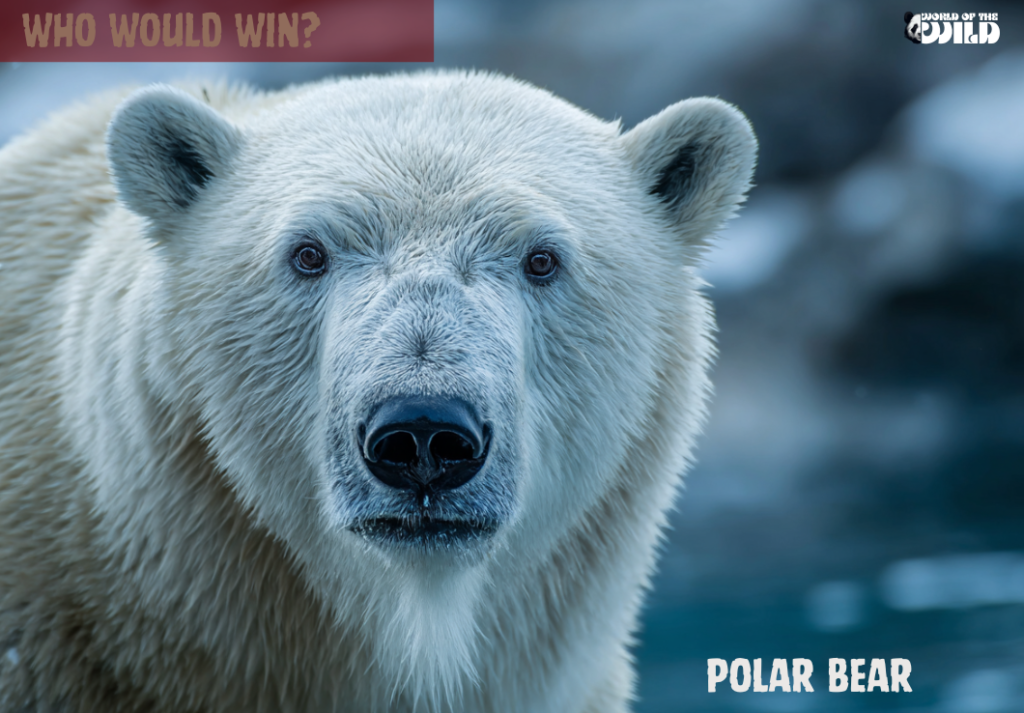
The Polar Bear’s Dominance: Size matters, and the polar bear has it in spades. Adult male polar bears can outweigh grizzlies by 500-800 pounds, giving them a massive advantage in raw mass. Their longer limbs provide superior reach, allowing them to land blows while staying just outside the grizzly’s range. Those 3-5 inch claws aren’t just for show—they’re designed to grip and shred seal blubber, and they’re backed by paws the size of dinner plates that can deliver sledgehammer-like impacts. Polar bears are also the only bear species that actively hunts large prey as its primary food source, making it a more experienced predator. Their thick blubber layer (up to 4 inches) provides both insulation and armor, cushioning blows that would devastate other animals.
The Battle Scenario
The encounter begins on a rocky shoreline where Arctic meets taiga—neutral territory. The grizzly, having followed the scent of a seal carcass, finds the polar bear already feeding. Neither backs down. The grizzly rises to full height, woofing aggressively, while the polar bear slowly turns, sizing up this smaller challenger. Then, like a switch flipping, the grizzly charges with terrifying speed—35 mph of fur and fury. The polar bear rises to meet the assault, and the collision sounds like a car crash.
The grizzly lands first blood, its explosive power driving a devastating blow to the polar bear’s shoulder. But the polar bear’s size advantage becomes immediately apparent—it absorbs the hit through its blubber armor and counters with its superior reach, using those massive paws to keep the grizzly at bay while landing punishing overhead strikes. The grizzly tries to close distance, wrestling and biting, but the polar bear’s 800-pound weight advantage allows it to literally bear down on its opponent, using gravity as a weapon. When the grizzly attempts to use its famous shoulder muscles to shove back, the polar bear’s marine-conditioned endurance becomes the deciding factor. Where the grizzly fights in explosive bursts, the polar bear can maintain pressure indefinitely—it’s built to swim for days hunting seals across ice floes.
After three minutes of brutal combat, the grizzly—bloodied and exhausted—recognizes it’s outmatched. In a real encounter, both bears would likely retreat before a fatal conclusion, as neither can afford serious injury in the wild. But if this fight were to the finish, the grizzly’s tremendous heart couldn’t overcome the polar bear’s combination of superior size, reach, and stamina.
The Verdict: POLAR BEAR WINS (7/10 encounters)
The Science: While the grizzly bear is pound-for-pound one of the most powerful and aggressive animals on Earth, the polar bear’s sheer size advantage is too significant to overcome. In animal combat, mass is often the ultimate deciding factor between similarly-armed opponents—and an 800-pound deficit is insurmountable when both animals possess comparable bite force and weaponry.
The polar bear’s lifestyle as an active predator of large prey (seals weighing 100-200 lbs) has also honed its killing skills in ways the more omnivorous grizzly hasn’t developed. While grizzlies are absolutely capable predators, they derive much of their diet from vegetation, fish, and scavenging. The polar bear is a specialized carnivore, and that predatory experience shows.
That said, this is no easy victory. The grizzly’s aggression and power means it could absolutely triumph in ambush situations or if it lands a perfect early blow. A grizzly defending cubs would be an even more dangerous opponent. But in a straight-up confrontation between healthy adult males, the polar bear’s combination of size, reach, and predatory experience gives it the edge.
In the wild, these two rarely meet—climate change is unfortunately creating more overlap in their ranges—but when they do, both typically avoid each other. And that’s probably wise: a fight between these titans would leave even the victor severely injured. In nature, the smartest bears are the ones who live to fish another day.
Did we get it right? Disagree with the verdict? Sound off in the comments below and let us know which bear YOU think would dominate! 🐾