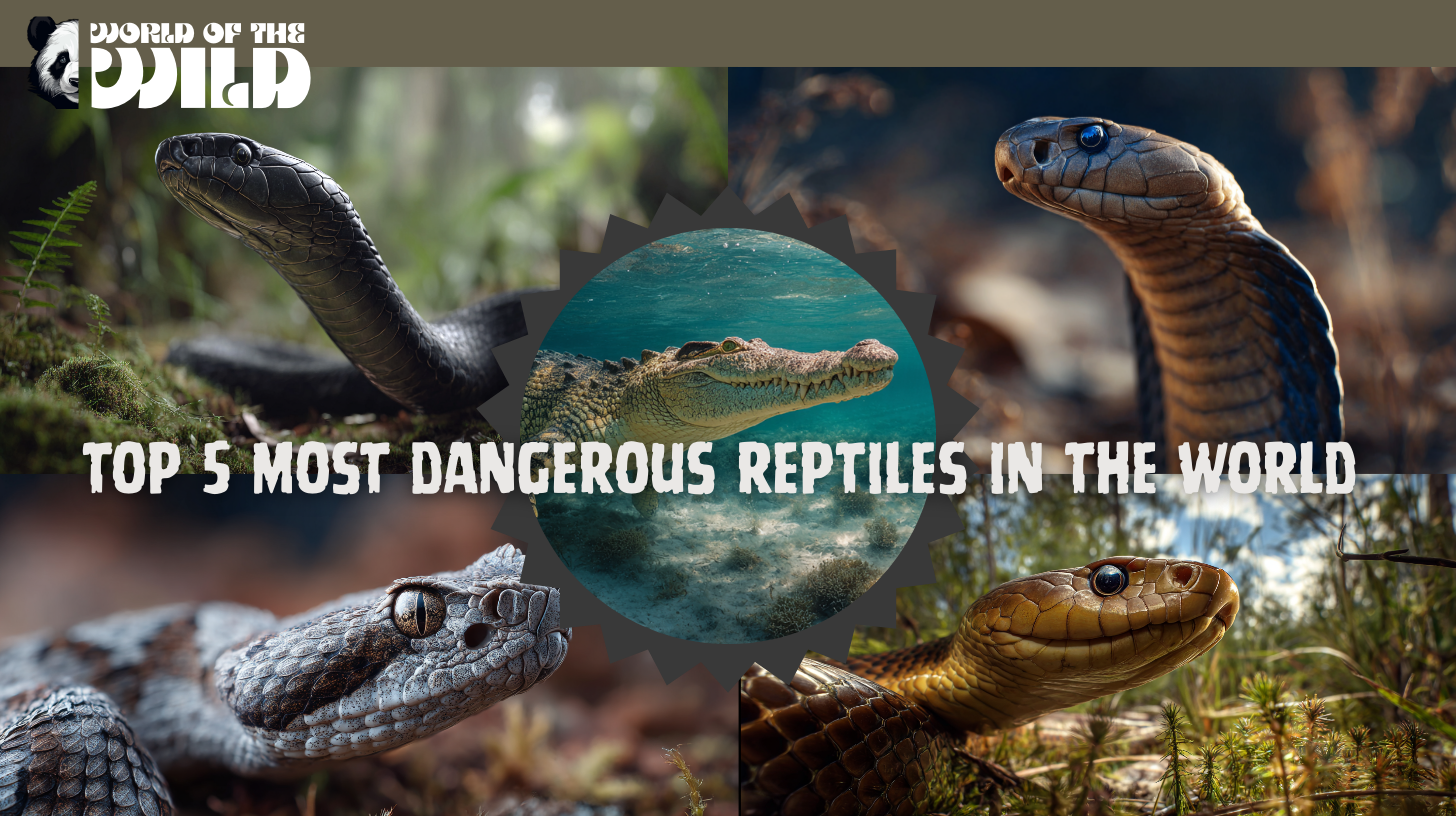

The reptile kingdom harbors some of nature’s most formidable predators—creatures that have perfected the art of survival through millions of years of evolution. From serpents wielding neurotoxic venom capable of killing within hours to armored apex predators that have remained virtually unchanged since the age of dinosaurs, these animals command both our respect and fascination. In this wildlife spotlight, we’re exploring the top 5 most dangerous reptiles in the world, each possessing unique adaptations that make them extraordinarily lethal. Whether through lightning-fast strikes, potent toxins, or sheer crushing power, these remarkable species represent the pinnacle of reptilian evolution and remind us of nature’s incredible diversity and power.
5. Saw-Scaled Viper – The Desert’s Silent Assassin
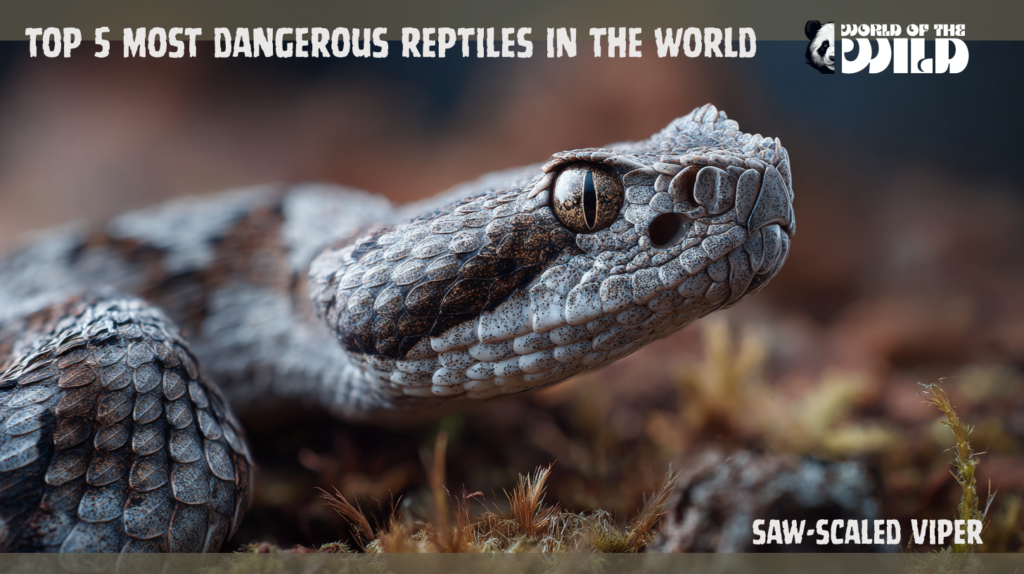
Scientific Name: Echis carinatus
Classification: Family Viperidae
The saw-scaled viper may be small, typically measuring just 30-90 centimeters (12-35 inches) in length, but this serpent is responsible for more human fatalities than any other snake species. Its rough, keeled scales create a distinctive rasping sound when rubbed together—a warning signal that has earned this species its memorable name.
Found across arid regions of Africa, the Middle East, and the Indian subcontinent, these nocturnal hunters possess hemotoxic venom that destroys blood cells and tissue. Their venom causes uncontrolled bleeding, making bites particularly dangerous in remote areas where medical treatment isn’t immediately accessible. The saw-scaled viper’s aggressive temperament when threatened, combined with its habit of dwelling near human settlements in search of rodent prey, creates frequent dangerous encounters.
What makes this species especially remarkable is its sidewinding locomotion across hot sand—an energy-efficient movement that leaves distinctive J-shaped tracks in the desert. Their cryptic coloration, featuring intricate patterns of browns, grays, and blacks, provides perfect camouflage among rocks and sand. Despite their lethal reputation, these vipers play a crucial role in controlling rodent populations in agricultural regions.
4. King Cobra – The Majestic Serpent King
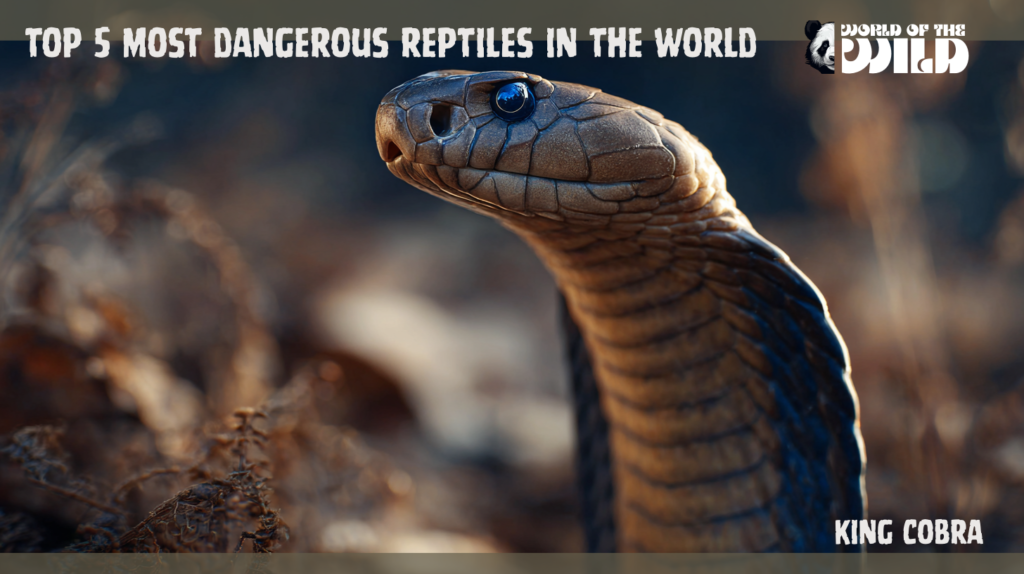
Scientific Name: Ophiophagus hannah
Classification: Family Elapidae
Standing tall with its hood expanded, the king cobra is the world’s longest venomous snake, reaching lengths of up to 5.5 meters (18 feet). This magnificent reptile, found throughout Southeast Asian forests and grasslands, possesses both intelligence and deadly efficiency that few other snakes can match.
The king cobra’s venom is primarily neurotoxic, attacking the nervous system and causing respiratory failure. A single bite can deliver enough toxin to kill an elephant—or 20 humans. However, what truly distinguishes this species is its diet: king cobras are ophiophagous, meaning they primarily hunt and consume other snakes, including highly venomous species. This unique feeding behavior has earned them their regal title.
Unlike most snakes, king cobras exhibit remarkable parental care. Females construct elaborate nests from leaves and vegetation, then guard their eggs fiercely for up to 80 days until hatching. When threatened, these snakes can raise up to one-third of their body length off the ground while advancing toward threats—an intimidating display that few animals dare challenge.
Their conservation status is listed as Vulnerable, with habitat loss and human persecution threatening populations across their range. These forest guardians serve as important apex predators in their ecosystems.
3. Inland Taipan – Nature’s Most Venomous Land Snake
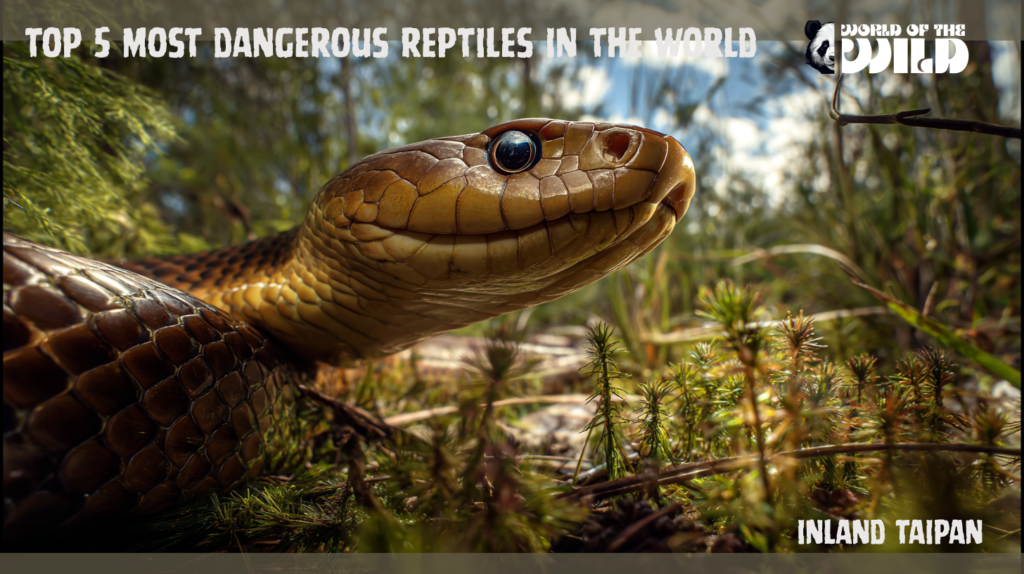
Scientific Name: Oxyuranus microlepidotus
Classification: Family Elapidae
Hidden in the remote, arid regions of central Australia, the inland taipan holds the title of the world’s most venomous land snake. Also known as the “fierce snake” or “small-scaled snake,” this species possesses venom so potent that a single bite contains enough toxin to kill 100 adult humans or 250,000 mice.
This remarkably specialized hunter has evolved its extreme venom potency to ensure quick kills of its primary prey—plague rats and other rodents that inhabit Australia’s challenging inland environments. The inland taipan’s venom is a complex cocktail of neurotoxins, hemotoxins, and myotoxins that simultaneously attack the nervous system, blood, and muscles. Death can occur in as little as 45 minutes without treatment.
Despite its fearsome capabilities, the inland taipan exhibits a surprisingly placid temperament. No human fatalities have been recorded from this species, partly due to its remote habitat and partly because of its shy, reclusive nature. These olive-to-dark brown snakes display seasonal color changes, becoming lighter in summer to reflect heat and darker in winter to absorb warmth.
Measuring up to 2.5 meters (8.2 feet), inland taipans are ambush predators that strike with extraordinary speed and precision, often delivering multiple bites in a single attack sequence.
2. Black Mamba – Africa’s Lightning Strike
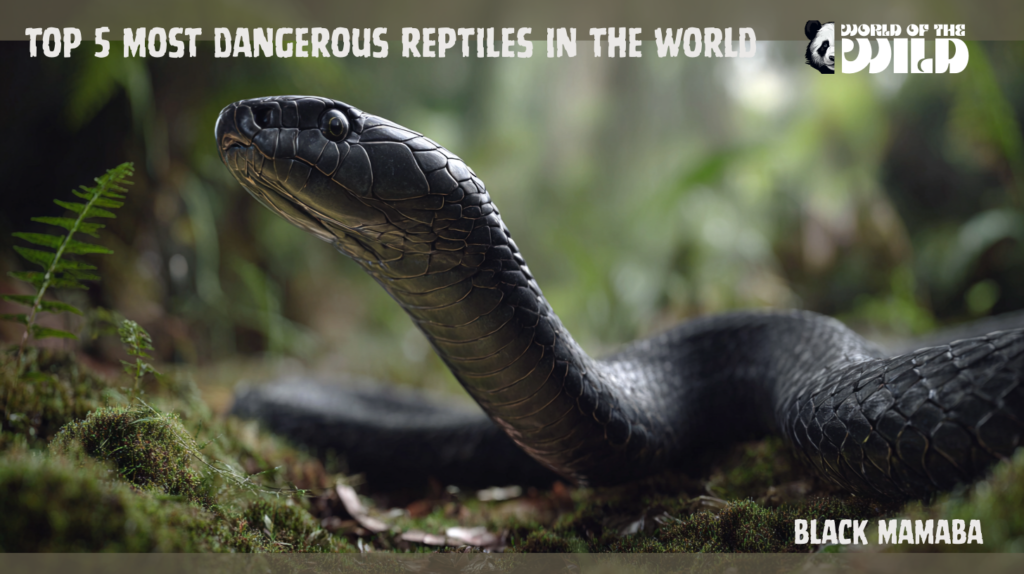
Scientific Name: Dendroaspis polylepis
Classification: Family Elapidae
The black mamba’s reputation as one of Africa’s most feared serpents is well-deserved. This sleek, powerful snake can reach lengths of 4.3 meters (14 feet), making it the world’s second-longest venomous snake and the longest in Africa. Despite its name, the black mamba’s body is actually grayish-brown; the “black” refers to the inky blue-black interior of its mouth, displayed dramatically when threatened.
Native to savannas and rocky hills across eastern and southern Africa, black mambas are exceptionally fast, capable of moving at speeds up to 20 kilometers per hour (12.5 mph)—faster than most humans can run. Their venom is highly neurotoxic, and without antivenom, the mortality rate approaches 100%. Death can occur within 7-15 hours, sometimes as quickly as 30 minutes.
What makes the black mamba particularly dangerous is its aggressive defense when cornered. These snakes will raise their front third off the ground, flatten their neck into a narrow hood, and strike repeatedly with frightening speed. Each bite can inject up to 400 mg of venom—far exceeding the 10-15 mg lethal dose for humans.
Interestingly, black mambas are largely terrestrial despite being members of the tree-dwelling Dendroaspis genus. They’re also diurnal hunters, actively pursuing prey during daylight hours—a trait uncommon among large venomous snakes.
Learn more in-depth information about the amazing Black Mamba here at World of the Wild
1. Saltwater Crocodile – The Ultimate Apex Predator
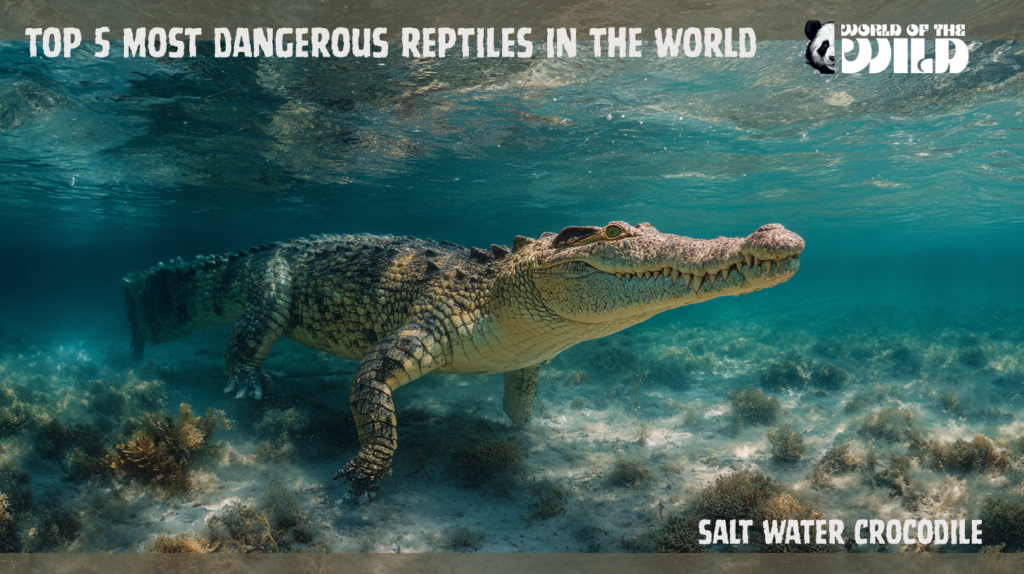
Scientific Name: Crocodylus porosus
Classification: Family Crocodylidae
Reigning supreme as the world’s largest living reptile, the saltwater crocodile represents the apex of reptilian evolution. These prehistoric titans can reach lengths exceeding 7 meters (23 feet) and weigh over 1,000 kilograms (2,200 pounds), with the largest confirmed specimen measuring 6.17 meters. Their massive jaws generate the strongest bite force ever recorded in any animal—an incredible 3,700 pounds per square inch.
Found in brackish and freshwater habitats from eastern India through Southeast Asia to northern Australia, “salties” have adapted to thrive in diverse aquatic environments. Unlike snakes that rely on venom, saltwater crocodiles employ pure predatory power. Their hunting strategy combines stealth, patience, and explosive violence. They lie motionless for hours, then launch with surprising speed to grab prey, using their infamous “death roll” to dismember victims.
These intelligent ambush predators possess exceptional sensory capabilities. Specialized receptors called integumentary sense organs detect minute pressure changes in water, allowing them to sense prey from considerable distances even in complete darkness. Saltwater crocodiles are also accomplished ocean travelers, having been recorded swimming up to 1,000 kilometers from shore.
Remarkably, saltwater crocodiles exhibit complex social behaviors and communicate through a sophisticated system of vocalizations, from hatchling distress calls to adult territorial bellows. Their conservation status has improved from Endangered to Lower Risk after successful protection programs, though human-crocodile conflict remains a management challenge.
Learn more in-depth information about the amazing Saltwater Crocodile here at World of the Wild
Conclusion
These five extraordinary reptiles showcase nature’s diverse approaches to survival and predation. From the microscopic precision of venom chemistry to the overwhelming physical power of the crocodilian bite, each species has carved its niche through millions of years of evolution. While these animals command healthy respect for their dangerous capabilities, they’re also vital components of their ecosystems and deserving of our conservation efforts. Explore more fascinating wildlife content on World of the Wild to discover other remarkable creatures that share our planet. Remember: understanding these animals fosters appreciation and helps ensure their survival for future generations.