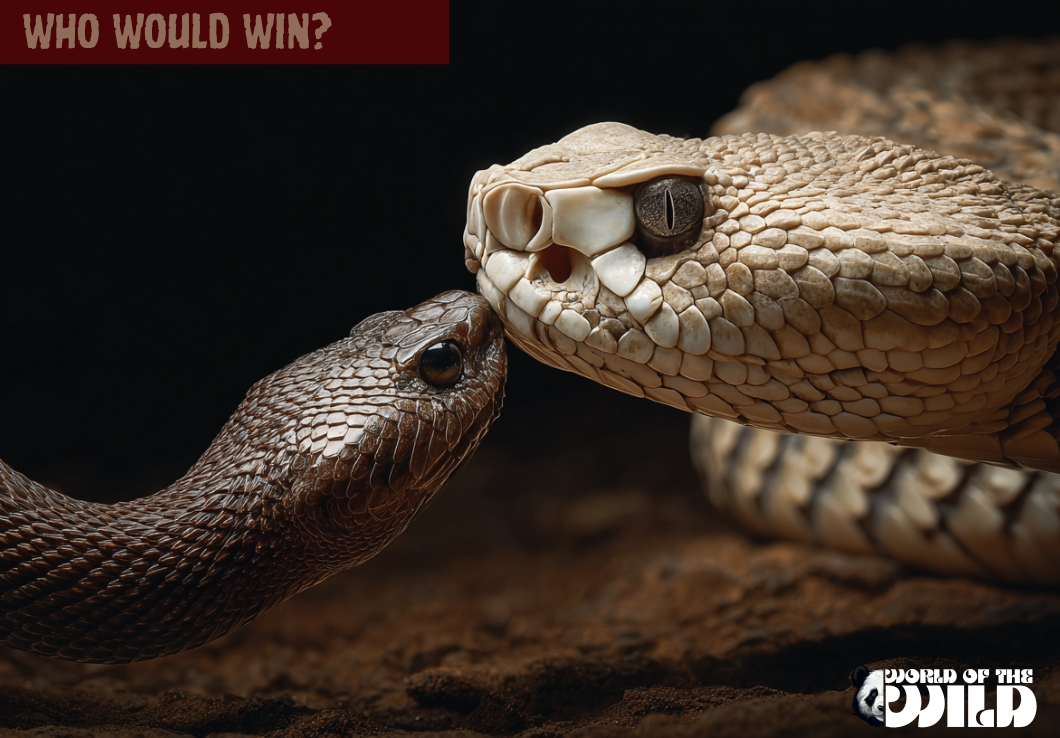

Ladies and gentlemen, welcome to the ultimate serpent showdown! In one corner, we have North America’s heavyweight champion—the Rattlesnake, a coiled assassin armed with hemotoxic venom and a warning system that’s saved countless hikers from a very bad day. In the opposite corner, hailing from the savannas and woodlands of sub-Saharan Africa, we have the Black Mamba—the Usain Bolt of the snake world, a lightning-fast killer with a reputation so fearsome that its very name strikes terror into the hearts of seasoned wildlife experts.
Both are apex reptilian predators. Both deliver venom that can spell doom for their prey. But if these two cold-blooded gladiators met in a no-holds-barred encounter, which serpent would slither away victorious? Let’s break down this scaly smackdown!
Tale of the Tape
| Category | Rattlesnake (Eastern Diamondback) | Black Mamba |
|---|---|---|
| Size/Weight | 3-8 feet / 5-10 lbs | 8-14 feet / 3.5 lbs |
| Speed | 2-3 mph | Up to 12.5 mph (fastest snake alive!) |
| Venom Type | Hemotoxic (tissue destruction) | Neurotoxic (nervous system shutdown) |
| Strike Speed | ~10 feet/second | ~15-20 feet/second |
| Special Abilities | Heat-sensing pits, auditory warning rattle, ambush tactics | Extreme aggression when cornered, multiple rapid strikes, incredible reach |
Physical Advantages
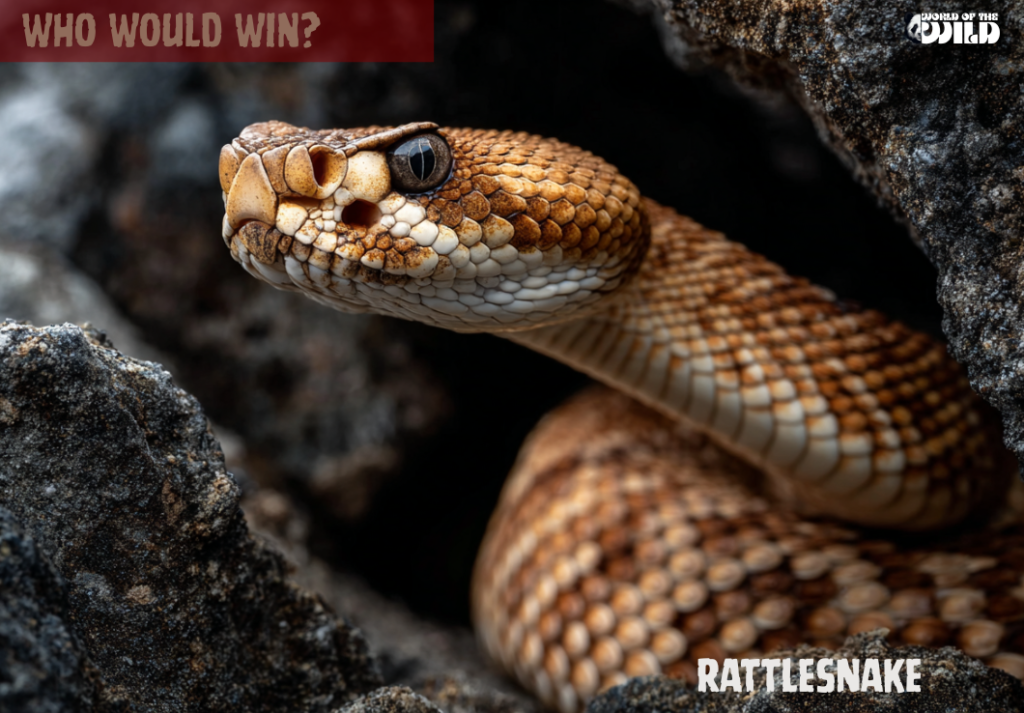
RATTLESNAKE’S ARSENAL: The rattlesnake is built like a tank compared to its African opponent. Its thick, muscular body packs serious weight, giving it superior striking power and the ability to deliver larger venom payloads. Those heat-sensing facial pits are biological infrared cameras, allowing it to detect prey (or threats) in complete darkness with thermal precision. The rattle itself is a psychological weapon—a warning that says “back off or face the consequences.” Rattlesnakes are patient ambush predators with excellent camouflage, and their hemotoxic venom causes devastating tissue damage, internal bleeding, and organ failure over time.
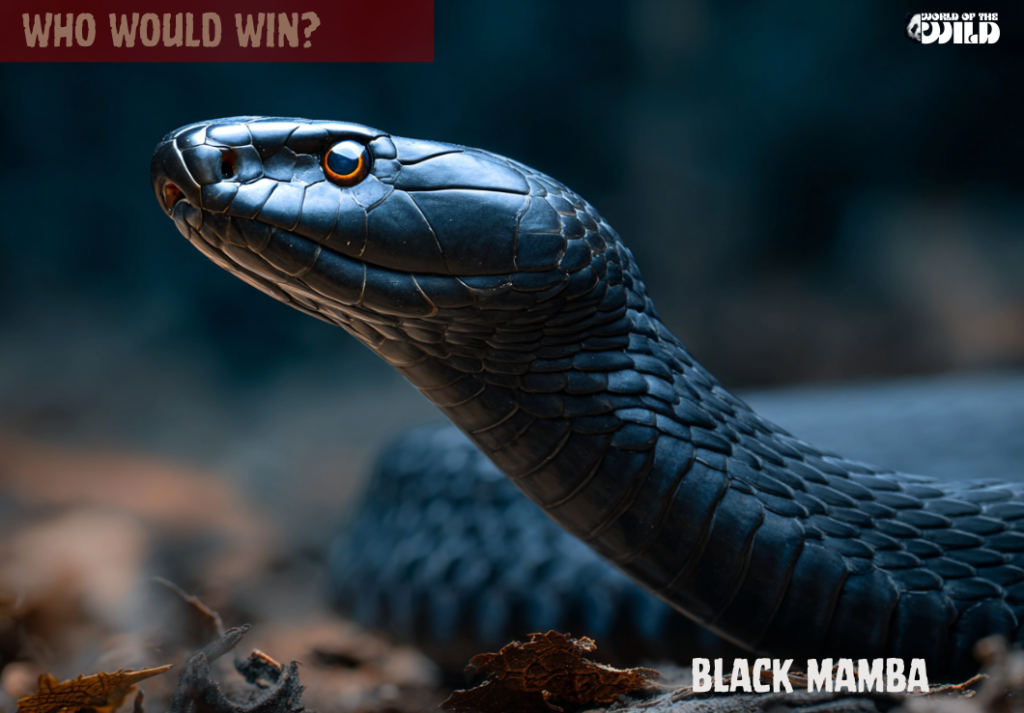
BLACK MAMBA’S DEADLY EDGE: The Black Mamba is evolution’s answer to the question: “What if we made a snake terrifyingly fast AND absurdly venomous?” This serpent possesses extraordinary length, often reaching over 10 feet, giving it massive striking range—a critical advantage in snake-on-snake combat. Its speed is legendary; it can move at 12.5 mph, making it not just the fastest snake but faster than most humans can run. The Mamba’s neurotoxic venom is one of the deadliest on the planet, shutting down the nervous system and causing respiratory failure in as little as 20 minutes. Perhaps most terrifying: it can strike up to 12 times in rapid succession, injecting cumulative doses of its lethal cocktail. Its aggressive defensive behavior means it won’t back down from a fight.
The Battle Scenario
The confrontation begins when a Black Mamba, moving through grassland in search of prey, accidentally crosses paths with a coiled rattlesnake basking on a sun-warmed rock. The rattler’s tail erupts in its distinctive buzz—a final warning. But the Mamba, notoriously aggressive when threatened, rears up nearly four feet off the ground, mouth agape, revealing the inky black interior that gives it its name. This is a threat display that would send most predators retreating, but the rattlesnake stands its ground, coiling tighter, ready to strike.
The Mamba makes the first move. With blinding speed, it launches forward, covering ground faster than the rattlesnake can react. The rattler strikes defensively, but the Mamba’s superior length allows it to stay just out of range while landing its own bite on the rattlesnake’s mid-body. Before the rattler can recoil, the Mamba strikes again—and again—delivering multiple injections of its devastating neurotoxin. The rattlesnake manages to land one solid bite on the Mamba’s slender body, pumping in hemotoxic venom, but it’s too little, too late.
Within minutes, the Mamba’s venom begins its merciless work. The rattlesnake’s movements become uncoordinated as its nervous system falters. Though the Mamba will eventually suffer from the rattlesnake’s hemotoxic bite, the Black Mamba’s neurotoxin acts far more quickly. The rattlesnake’s muscle control fails, its breathing becomes labored, and the fight is over. The Black Mamba, though injured, slithers away victorious.
The Verdict: BLACK MAMBA WINS
As thrilling as the rattlesnake’s reputation is, the Black Mamba takes this matchup approximately 7-8 times out of 10. Here’s the science behind the verdict:
Speed kills. The Black Mamba’s superior velocity (over 4x faster) gives it a decisive tactical advantage. It can choose when and where to engage, strike from safer distances, and land multiple bites before the rattlesnake can mount an effective defense.
Reach matters. With up to 6 feet more body length, the Mamba can strike from ranges where the rattlesnake simply can’t retaliate. In snake combat, the longer combatant typically controls the fight.
Venom velocity. While both venoms are deadly, the Mamba’s neurotoxin acts in minutes to hours, while hemotoxic venom takes hours to days to be fatal. In a fight between venomous snakes, the faster-acting toxin usually determines the outcome. The Mamba’s victim is incapacitated before the rattlesnake’s venom can take effect.
Aggression advantage. Rattlesnakes are defensive strikers that prefer to avoid confrontation (hence the warning rattle). Black Mambas are notoriously aggressive when cornered, often pursuing threats and striking repeatedly. This psychological difference translates to tactical dominance.
Could a rattlesnake win? Certainly—if it landed a perfect first strike and the Mamba failed to deliver enough venom, the tables could turn. But more often than not, the African nightmare would speed-blitz its American cousin into submission.
Winner: Black Mamba by superior speed, reach, venom speed, and sheer reptilian ruthlessness! 🐍⚡
Remember, these snakes would never naturally encounter each other in the wild—they live on different continents! This hypothetical matchup is for educational entertainment. Always respect venomous snakes from a safe distance, and never attempt to handle them without proper training.