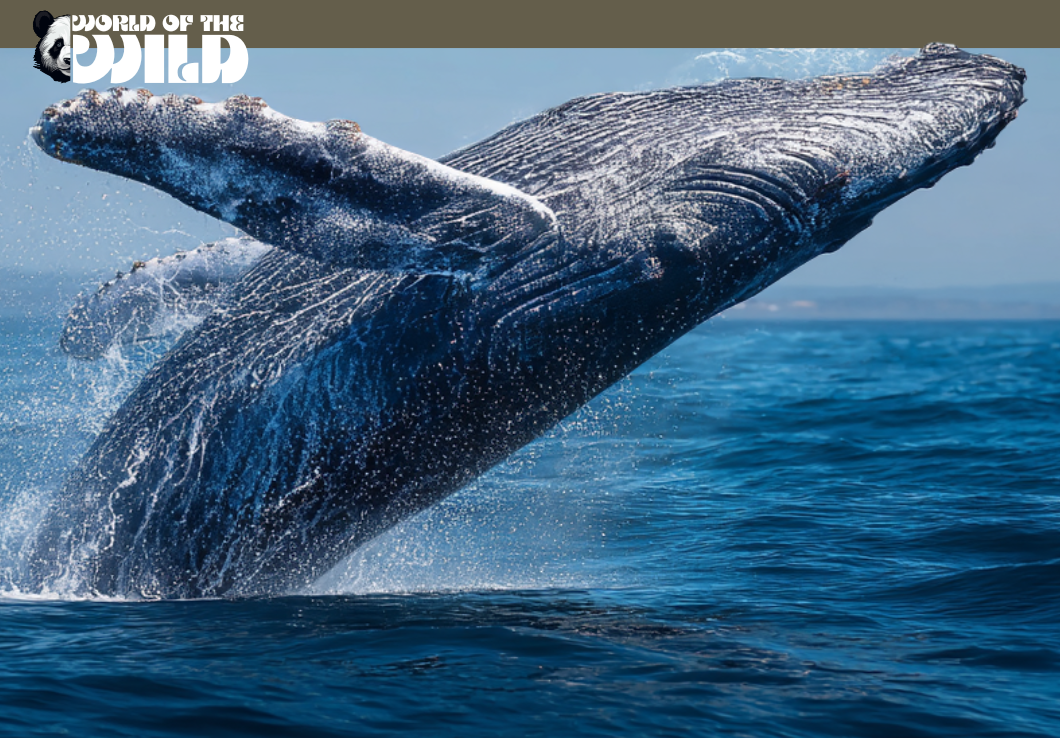

In the vast, blue expanse of the world’s oceans, few creatures inspire awe quite like the great whales. Most people can name the blue whale — the largest animal on Earth — or the humpback, famous for its haunting songs and acrobatic breaches. But lurking in the open ocean, swift and sleek and largely overlooked, is the sei whale: a colossal, enigmatic giant that has slipped through the fingers of public fascination for far too long.
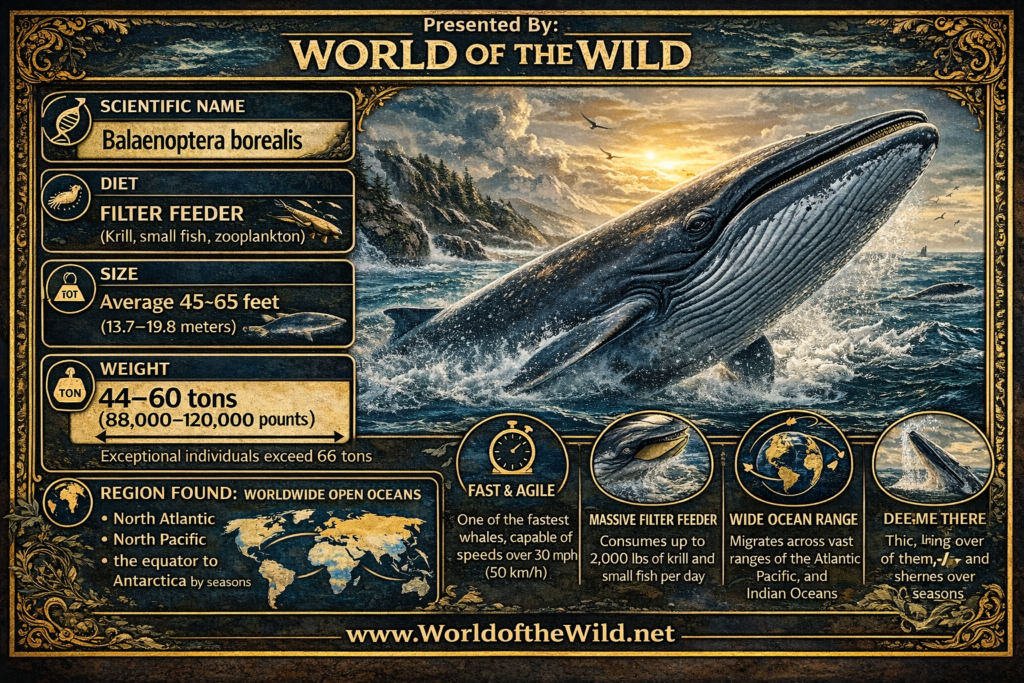
The sei whale (Balaenoptera borealis) is the third-largest whale on Earth, capable of reaching lengths greater than a school bus and speeds that can outpace many research vessels. It moves like a shadow through the deep ocean, appearing without warning in great numbers one year and vanishing completely the next. Scientists still struggle to fully track it, predict its movements, or understand the depths of its behavior. That mystery alone makes the sei whale one of the most compelling animals on the planet — a reminder that even in the age of satellite tagging and deep-sea robotics, the ocean still guards its secrets jealously.
Facts
- The sei whale gets its name from the Norwegian word seje, meaning “pollock” — a fish that appears off the coast of Norway around the same time as the whales each year.
- Despite being one of the largest animals on Earth, the sei whale is one of the least studied great whales, largely because it prefers deep, offshore waters far from land.
- Sei whales are the fastest of all baleen whales, capable of reaching burst speeds of up to 35 miles per hour (30 knots) — earning them a reputation among 19th-century whalers as nearly uncatchable.
- Unlike most baleen whales that feed by lunging through prey patches, sei whales are unique in that they can skim-feed at the surface like right whales, filtering tiny copepods with a sideways glide.
- A sei whale can consume approximately 900 kilograms (nearly 2,000 pounds) of food in a single day during peak feeding season.
- The sei whale was largely left alone by whalers until the mid-20th century — not because it was protected, but simply because it was too fast to catch until the advent of explosive harpoon cannons and steam-powered catcher boats.
- In 2015, an extraordinary mass stranding of 337 sei whales was discovered in Chilean Patagonia — the largest whale stranding event ever recorded in history.
Species
The sei whale belongs to the following taxonomic classification:
- Kingdom: Animalia
- Phylum: Chordata
- Class: Mammalia
- Order: Artiodactyla (formerly Cetacea, now subsumed within Artiodactyla)
- Family: Balaenopteridae (the rorquals)
- Genus: Balaenoptera
- Species: Balaenoptera borealis
Within the species, two subspecies are generally recognized. The Northern sei whale (Balaenoptera borealis borealis) inhabits the North Atlantic and North Pacific Oceans, while the Southern sei whale (Balaenoptera borealis schlegelii) ranges across the Southern Hemisphere and is generally slightly larger than its northern counterpart.
The sei whale’s closest relatives are fellow members of the rorqual family, which includes some of the most recognizable whales in the world. The blue whale (Balaenoptera musculus) is the largest animal ever known to exist. The fin whale (Balaenoptera physalus), sometimes called the “greyhound of the sea,” shares the sei whale’s preference for speed and open water, and the two species are so physically similar that they are frequently confused at sea. The Bryde’s whale (Balaenoptera edeni) is another close relative, distinguished primarily by three prominent ridges on its rostrum compared to the sei whale’s single ridge.
Appearance
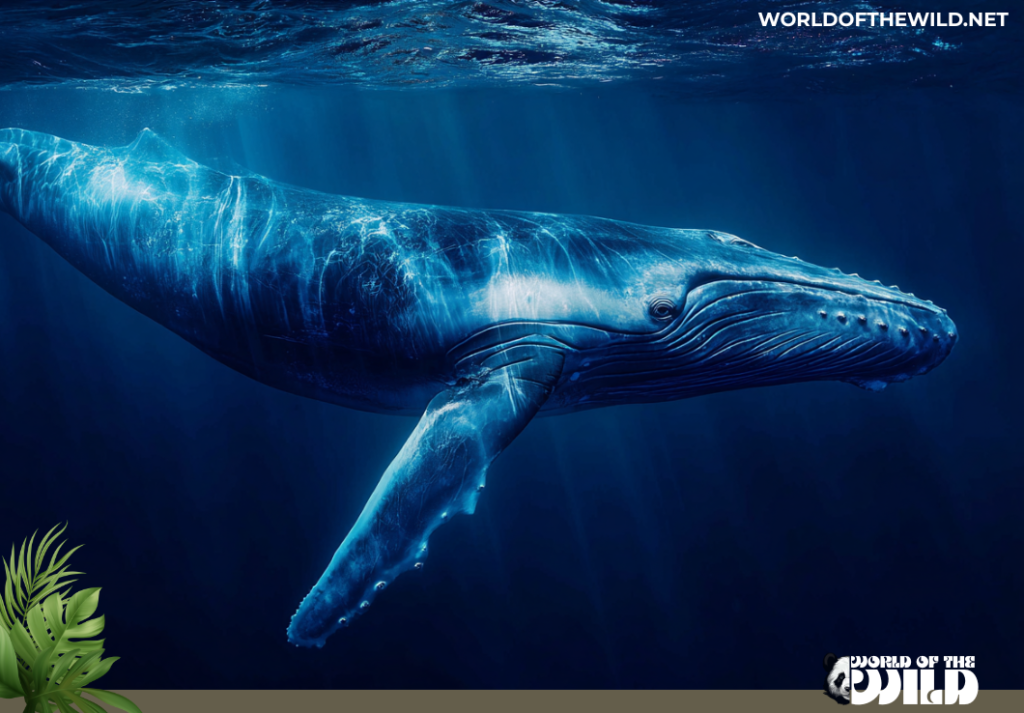
The sei whale is a study in streamlined power. Adults typically range from 45 to 60 feet (14 to 18 meters) in length, with Southern Hemisphere individuals occasionally exceeding 65 feet. They weigh between 20 and 45 tons (approximately 40,000 to 90,000 pounds), with females being noticeably larger than males — a pattern of sexual dimorphism common among baleen whales.
The body is sleek and laterally compressed, built for speed rather than bulk. The dorsal surface is a deep, steel blue-gray to dark charcoal color, while the ventral side is paler, often mottled with oval-shaped gray or white patches believed to be scars from cookie-cutter shark bites and parasitic copepods. These pale markings are scattered and irregular, giving each whale a subtly unique pattern that researchers can sometimes use for individual identification.
The rostrum — the top of the head — is narrow and pointed, with a single, prominent median ridge running from the blowhole to the tip, which distinguishes it from the Bryde’s whale’s triple-ridged snout. The dorsal fin is tall, erect, and falcate (sickle-shaped), positioned roughly two-thirds of the way down the back, and it rises sharply — a feature that can help distinguish a sei whale from the fin whale at a distance. The baleen plates, which hang from the upper jaw in place of teeth, are dark gray to black with fine, white, wool-like fringes — among the softest and most delicate of any baleen whale, perfectly suited for filtering tiny prey.
Behavior
The sei whale is, in the truest sense, a creature of the open ocean. It is generally considered semi-social, often traveling alone or in small groups of two to five individuals, though aggregations of dozens have been recorded in exceptionally productive feeding areas. There is little evidence of the complex social hierarchies or long-term bonds observed in sperm whales or orcas, but sei whales are not entirely solitary either — their groupings appear fluid and opportunistic, shaped by food availability rather than kinship.
One of the most remarkable behavioral traits of the sei whale is its feeding versatility. Unlike most rorquals, which exclusively lunge-feed by accelerating through prey patches with their mouths open, sei whales switch strategies depending on what they are eating. When targeting small schooling fish or krill, they lunge-feed like their cousins. But when feeding on dense patches of copepods — tiny crustaceans near the surface — they adopt a skimming posture, gliding slowly with their mouths slightly open and their baleen acting as a continuous sieve. This behavioral flexibility is rare among large whales and suggests a degree of cognitive adaptability.
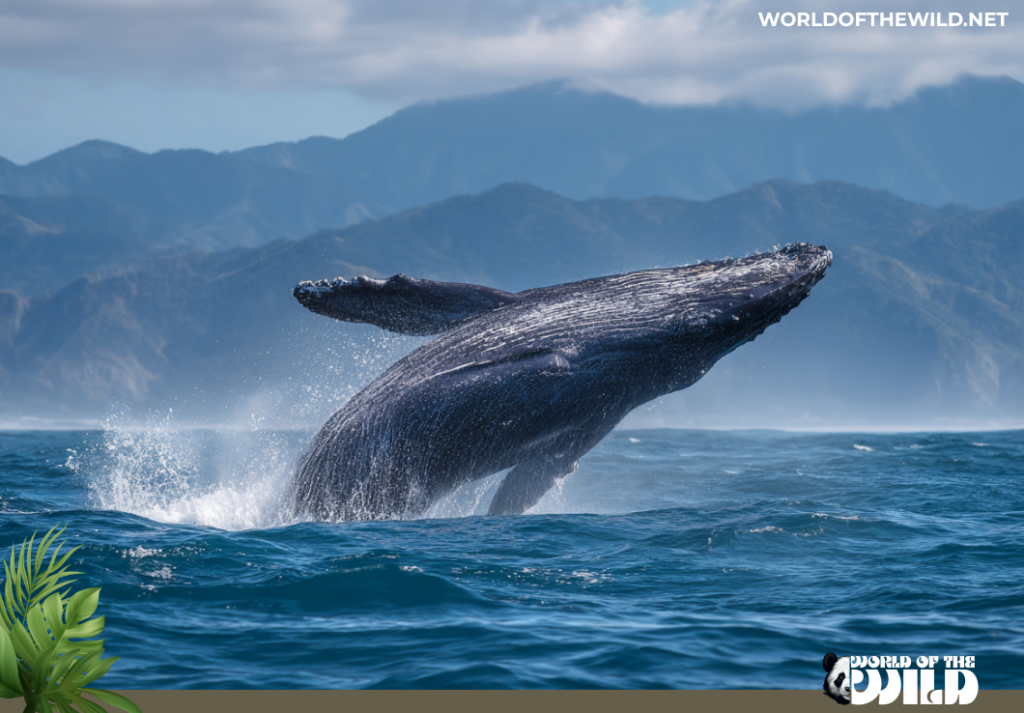
Sei whales are not known for acrobatic surface displays. They rarely breach fully out of the water, and spy-hopping (rising vertically to observe the surface) is uncommon. They typically surface with a low, forward-angled blow of about 10 feet, breathe two to five times in rapid succession, and then dive — often disappearing for 5 to 15 minutes before resurfacing. Their dives are relatively shallow compared to sperm whales or beaked whales, usually remaining within the top few hundred feet of the water column.
Communication in sei whales is not fully understood, but like all baleen whales, they are believed to produce low-frequency vocalizations used for long-distance communication. Recordings have captured low downsweep calls and complex sounds, though the full repertoire and social function of sei whale vocalizations remain an active area of research.
Evolution
The evolutionary story of the sei whale is inseparable from the broader history of cetacean evolution — one of the most dramatic transformations in the history of life on Earth. Whales evolved from terrestrial, four-limbed mammals related to even-toed ungulates (artiodactyls). Their closest living land relative is the hippopotamus, a lineage that diverged roughly 55 million years ago during the Eocene epoch.
The earliest whale ancestors, such as Pakicetus, were small, semi-aquatic mammals that waded into rivers and shallow seas in what is now South Asia. Over tens of millions of years, successive lineages — Ambulocetus, Rodhocetus, the fully aquatic Basilosaurus — became progressively more adapted to aquatic life, losing their hind limbs (which persist as vestigial pelvic bones in modern whales), developing fluked tails, and migrating their nostrils to the top of the skull.
The split between toothed whales (Odontoceti) and baleen whales (Mysticeti) occurred approximately 34 million years ago, coinciding with major oceanographic changes at the Eocene-Oligocene boundary. Early mysticetes had teeth; baleen evolved later as a more efficient tool for bulk filter-feeding, enabling whales to exploit the enormous concentrations of small prey produced by upwelling ocean systems.
The family Balaenopteridae — the rorquals — diverged from other baleen whales around 15 million years ago during the Miocene. The genus Balaenoptera itself is thought to have arisen within the last 10 million years, with the various modern species diverging from common ancestors as ocean conditions changed and prey distributions shifted. The sei whale’s lineage likely separated from that of the fin whale relatively recently in geological terms, which accounts for their striking physical similarities.
Habitat
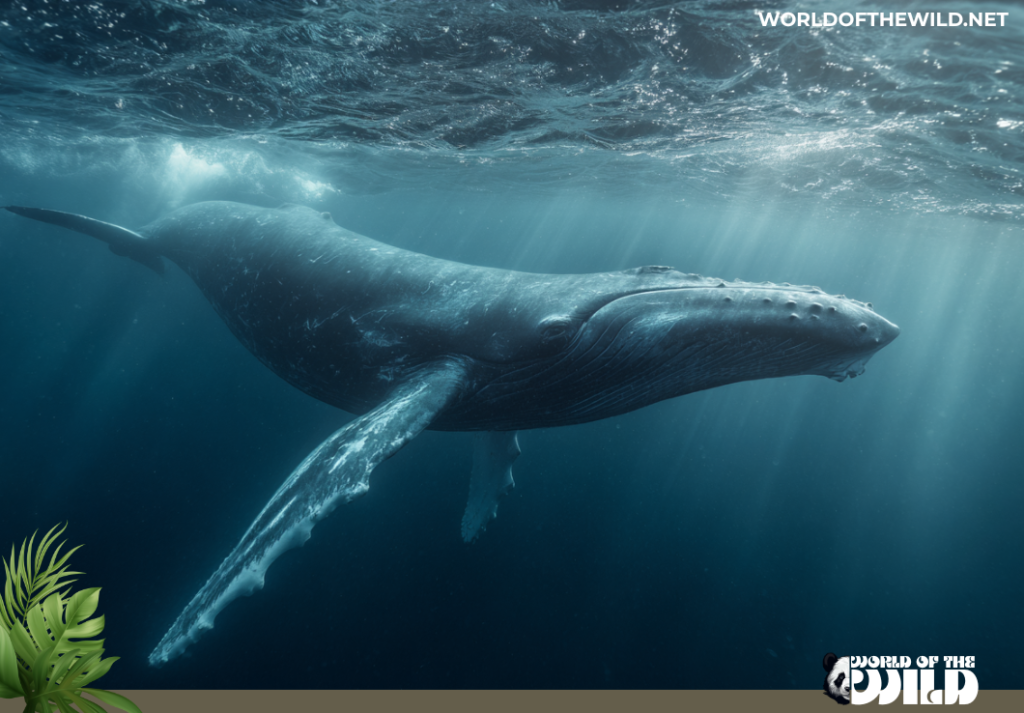
The sei whale is one of the most cosmopolitan of all large whales, found in all major ocean basins — the North Atlantic, North Pacific, and Southern Ocean — with a preference for temperate and subpolar waters. Unlike some great whales that follow predictable coastal migration routes, sei whales are true pelagic wanderers, spending most of their lives far offshore in the deep, open ocean.
Their migratory patterns are notoriously unpredictable and less well-documented than those of other large whales. Generally, they move toward higher latitudes in summer to take advantage of seasonal plankton blooms and cold, productive waters, then migrate toward subtropical or tropical waters in winter to breed — though the details of their winter grounds remain poorly understood because they are rarely observed there.
Sei whales tend to favor areas where oceanographic features concentrate prey: regions of strong upwelling, convergence zones where warm and cold currents meet, and the productive waters along continental shelf edges. They are rarely found in the very coldest polar waters that blue whales and bowhead whales frequent, nor in the shallow coastal bays and inlets that humpbacks sometimes inhabit. Their world is the broad, deep, mid-ocean — a domain that is simultaneously vast and, for researchers, remarkably difficult to access.
Diet
The sei whale is a filter-feeding carnivore, relying on its baleen plates to strain enormous quantities of small prey from the water. Its diet is opportunistic and highly variable by region and season, but its primary prey items include:
- Copepods — tiny planktonic crustaceans that form the dense surface blooms that sei whales skim-feed on
- Euphausiids (krill) — small shrimp-like crustaceans that aggregate in massive swarms
- Small schooling fish — including anchovies, sardines, herring, and saury
- Squid — consumed opportunistically in some regions
The sei whale’s baleen fringes are notably finer and softer than those of most other rorquals, making them particularly well-suited for filtering the smallest prey — copepods — that most large whales cannot efficiently capture. This dietary flexibility allows the sei whale to exploit whatever prey type is most abundant in its current location, which may partly explain its ability to range so widely and unpredictably across ocean basins.
Feeding typically occurs near the surface or in the upper water column, and sei whales are often observed tilting to one side as they skim-feed, with one side of the jaw cutting through the water like a plow.
Predators and Threats
Natural Predators
The sei whale’s primary natural predator is the orca (killer whale) (Orcinus orca). Transient orcas — those that specialize in hunting marine mammals — have been documented attacking and killing sei whales, typically targeting calves or young individuals. The oval scars that mottle the flanks of many sei whales are also believed to result from cookie-cutter sharks (Isistius brasiliensis), which take small, circular plugs of flesh from large marine animals, and from the bites of parasitic copepods that attach to the skin.
Human-Caused Threats
The most devastating threat in the sei whale’s modern history has been commercial whaling. After the blue whale and fin whale populations were drastically reduced by early 20th-century industrialized whaling, fleets turned their explosive harpoons on the sei whale. Between the 1950s and 1970s, an estimated 300,000 sei whales were killed worldwide — a staggering toll that collapsed populations in every ocean basin. The International Whaling Commission (IWC) provided some protection beginning in the 1970s, and a global moratorium on commercial whaling came into effect in 1986, but some limited hunting of sei whales continued under special permit, primarily by Japan, for decades afterward.
Today, sei whales face a new suite of threats:
- Climate change is altering the distribution and abundance of their copepod and krill prey, potentially disrupting migration routes and feeding patterns.
- Ship strikes pose a significant danger in busy shipping lanes, as sei whales often surface without warning in areas of heavy maritime traffic.
- Entanglement in fishing gear — particularly gillnets and longlines — causes both direct mortality and chronic injury.
- Ocean noise pollution from shipping, naval sonar, and seismic surveys may interfere with communication and echolocation, though sei whales’ acoustic behavior is not yet fully characterized.
- Chemical pollution — accumulation of PCBs, heavy metals, and other persistent organic pollutants — impairs immune function and reproductive success.
Reproduction and Life Cycle
Sei whales are seasonally reproductive, with mating and calving occurring primarily during winter months in warmer, lower-latitude waters. As with much of their biology, the precise location of their breeding grounds remains one of the great mysteries of sei whale research.
Mating is believed to be polygamous, with males competing for access to females. The gestation period lasts approximately 11 to 13 months, after which a single calf is born — twins are exceedingly rare. Newborn sei whale calves measure roughly 14 to 16 feet (4.5 to 5 meters) in length and weigh approximately 1,500 to 2,000 pounds at birth.
Calves are nursed on extraordinarily rich whale milk — containing up to 40–50% fat — for approximately 6 to 9 months, during which they gain weight rapidly. By the time they are weaned, calves may have nearly doubled their birth length. Sexual maturity is reached between 8 and 10 years of age, and females typically give birth to a single calf every two to three years.
The lifespan of the sei whale is estimated at up to 65 years in the wild, though confirmed longevity records are difficult to obtain. Age is estimated using the growth layers in earwax plugs (laminae), similar to counting rings in a tree.
Population
The sei whale is currently classified as Endangered on the IUCN Red List of Threatened Species — a status that reflects both the severity of historical hunting pressure and the slow, uncertain pace of recovery.
Global population estimates are highly uncertain, partly because of the sei whale’s remote, offshore habits and erratic distribution. The best current estimates suggest a worldwide population of approximately 50,000 to 80,000 individuals, down from perhaps several hundred thousand before the era of industrial whaling. Some regional populations are thought to be recovering slowly since the end of large-scale commercial hunting, but the pace of recovery is difficult to measure, and populations in certain areas — particularly the Southern Hemisphere — may still be severely depleted.
In the North Pacific, a population estimate of roughly 28,000 animals has been proposed, while North Atlantic populations are thought to number in the low tens of thousands. Southern Ocean populations are the least well-quantified.
The overall trajectory for sei whales is cautiously optimistic in some regions, with sightings increasing in areas where they were once rarely seen. However, the compounding effects of climate change, ship strikes, and ocean noise pollution introduce significant uncertainty into long-term recovery projections.
Conclusion
The sei whale is, in many ways, the ocean’s forgotten giant — too fast for early whalers, too elusive for easy study, and too often overshadowed by its more famous relatives. And yet it is an animal of extraordinary significance: a top-level consumer that shapes the structure of open-ocean ecosystems, a living record of evolutionary history spanning tens of millions of years, and a sobering symbol of what unbridled industrial exploitation can do to even the mightiest creatures on Earth.
Its story is not yet finished. With the right protections in place, with continued investment in research, and with meaningful action on climate change and ocean pollution, the sei whale has the capacity to recover — to once again streak through the deep ocean in numbers that remind us of what this planet looked like before we reshaped it so profoundly.
The sei whale does not ask for our admiration. It does not breach spectacularly for whale-watchers or sing haunting songs that fill concert halls. It simply moves, fast and purposeful, through waters most of us will never see. That, in itself, is reason enough to fight for its survival.
Quick Reference
| Scientific Name | Balaenoptera borealis |
| Diet Type | Carnivore (filter feeder — copepods, krill, small fish, squid) |
| Size | 540–720 inches (45–60 feet) |
| Weight | 40,000–90,000 pounds (20–45 tons) |
| Region Found | All major ocean basins; temperate to subpolar waters of the North Atlantic, North Pacific, and Southern Ocean |