
Imagine a skyscraper rising twenty feet into the air, built without blueprints, cranes, or a single human hand — constructed instead by millions of blind, rice-grain-sized insects working in near-perfect coordination. This is the reality of the mound building termite, an unassuming creature that has quietly engineered some of the most extraordinary structures in the natural world.
The mound building termite (Nasutitermes exitiosus), native to the sun-scorched landscapes of Australia, has fascinated scientists, engineers, and naturalists for centuries. These industrious insects construct towering earthen mounds that can endure for decades, maintain a near-constant internal temperature, and house millions of colony members across a labyrinthine network of tunnels and chambers. Beyond their architectural prowess, mound building termites play an indispensable ecological role — aerating soil, cycling nutrients, and underpinning entire food webs.
They are, in many respects, the unsung heroes of the ecosystems they inhabit. Yet for all their importance, termites remain deeply misunderstood by the general public, often lumped in with pests rather than celebrated as one of nature’s most sophisticated engineers. This article takes a deep dive into the remarkable world of the mound building termite — its biology, behavior, evolutionary heritage, and the pressing challenges it faces in a rapidly changing world.
Facts
Before we explore the full story, here are some quick, surprising facts to set the stage:
- A single mound building termite colony can contain upwards of one million individual insects, yet the queen — the sole reproducer — may live for 25 years or more.
- The internal temperature of a termite mound remains remarkably stable at around 30–31°C (86–88°F), regardless of the sweltering or cool conditions outside — an engineering feat that has directly inspired the design of modern passive-cooling buildings.
- Termite mounds are not solid structures. They are riddled with an intricate system of tunnels, ventilation shafts, and galleries that act like a biological HVAC system.
- Mound building termites cultivate fungus gardens within their colonies to help break down cellulose — making them true farmers, millions of years before humans ever tilled the first field.
- Despite being blind, workers communicate with extraordinary precision through vibrations, pheromones, and even stridulation — sound produced by rubbing body parts together.
- The mounds left behind by extinct or abandoned colonies become ecological hotspots, used as nesting sites by reptiles, mammals, and birds long after the termites are gone.
- Termites have been on Earth for at least 130 million years and are believed to have evolved directly from wood-eating cockroach-like ancestors — making them arguably more ancient and resilient than most animals alive today.
Species
The mound building termite belongs to one of the most speciose insect orders on Earth. Its full taxonomic classification is as follows:
- Kingdom: Animalia
- Phylum: Arthropoda
- Class: Insecta
- Order: Blattodea (formerly Isoptera)
- Family: Termitidae
- Genus: Nasutitermes
- Species: Nasutitermes exitiosus
It is worth noting that the order Isoptera — historically the exclusive home of all termites — was reclassified in the early 21st century. Modern molecular studies confirmed that termites are, in fact, highly eusocial cockroaches, and they were folded into the order Blattodea. This reclassification surprised many, but the evolutionary logic is sound: termites share a common ancestor with wood-feeding cockroaches of the genus Cryptocercus, which already harbor symbiotic gut microbes for cellulose digestion — a direct precursor to the termite digestive system.
Within the family Termitidae — the largest and most evolutionarily advanced termite family — Nasutitermes is a sprawling genus of well over 200 described species. Several closely related or ecologically similar species deserve mention. Nasutitermes triodiae, the Cathedral Termite, is perhaps the most visually dramatic of Australia’s mound builders, producing towering, cathedral-like spires that can reach up to 8 meters (26 feet) in height in the tropical north of the continent. Nasutitermes magnus, found in Queensland, builds some of the largest mounds by volume in Australia. Outside Australia, Macrotermes bellicosus of sub-Saharan Africa represents a parallel evolutionary lineage of mound builders, producing similarly impressive earthen structures, while Coptotermes acinaciformis is another Australian species infamous for structural damage to timber homes — a close relative, but with far less noble architectural ambitions.
Appearance
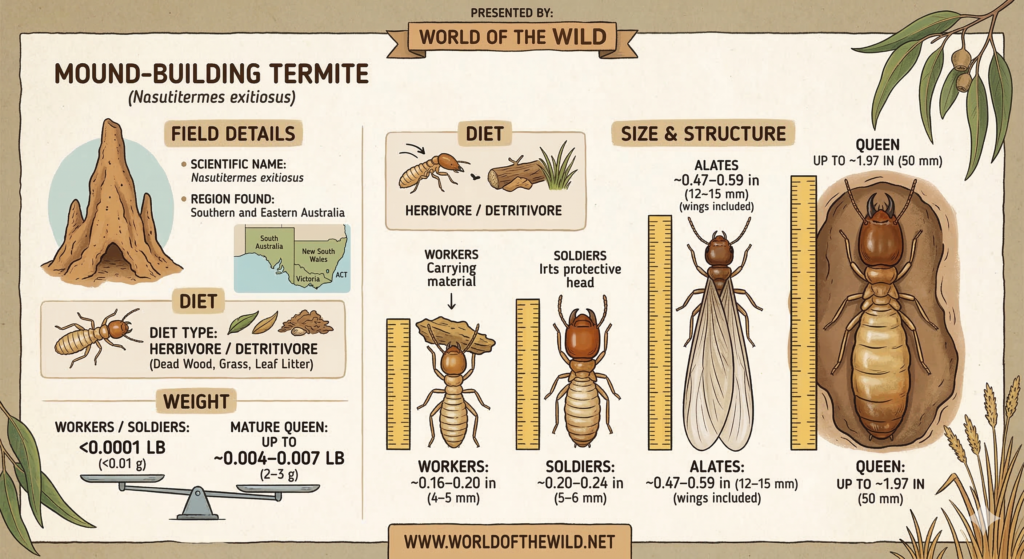
Like all termites, Nasutitermes exitiosus is a small insect — but “small” conceals an enormous diversity of forms within a single colony. The colony is organized into distinct castes, each with its own body plan adapted to its specific role.
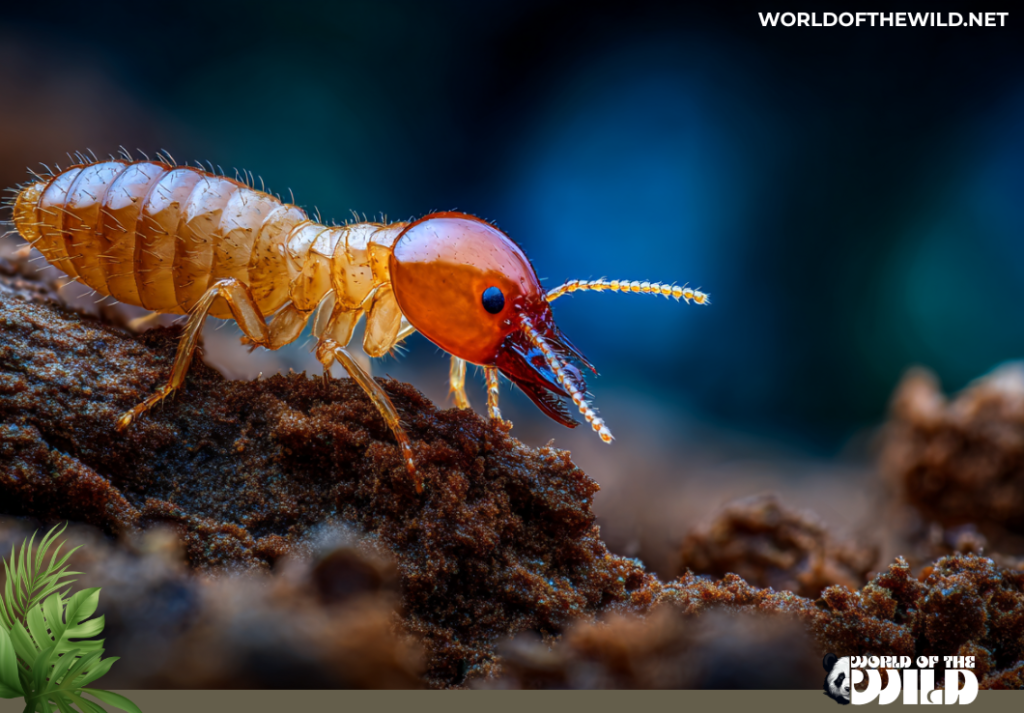
Workers are the most numerous caste and the backbone of colony life. They are pale, almost translucent white to creamy yellow in color, soft-bodied, and entirely blind. Workers measure approximately 4–5 mm (about 0.16–0.20 inches) in length and weigh a fraction of a gram. Their mandibles are well-developed for chewing wood and constructing the mound.
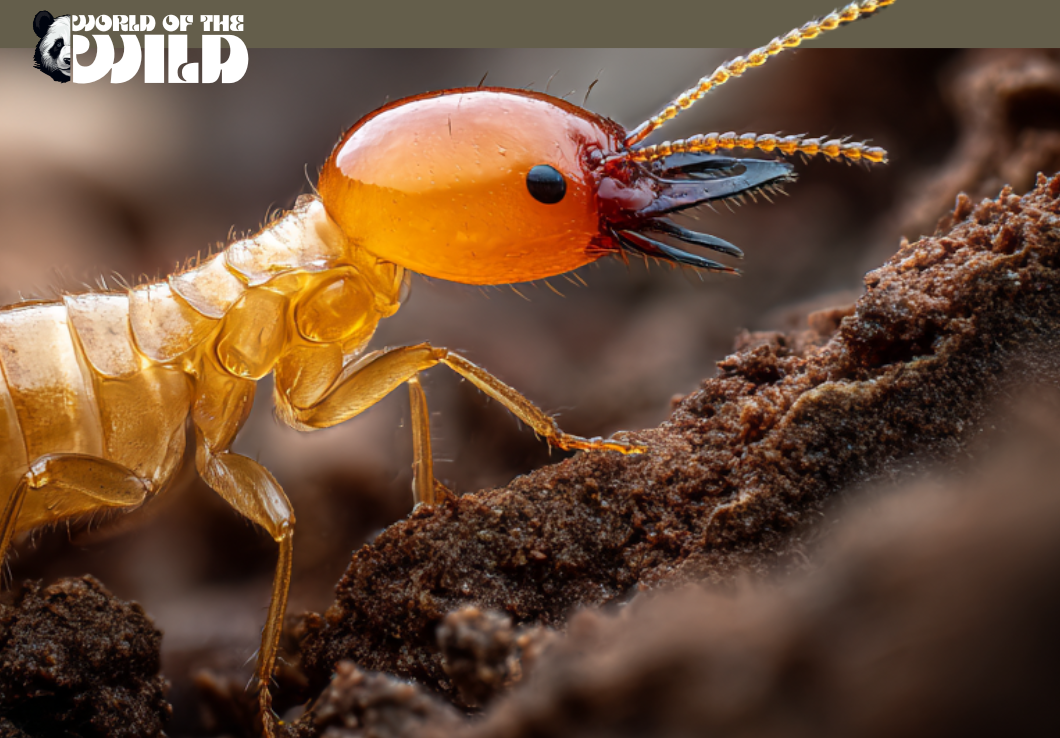
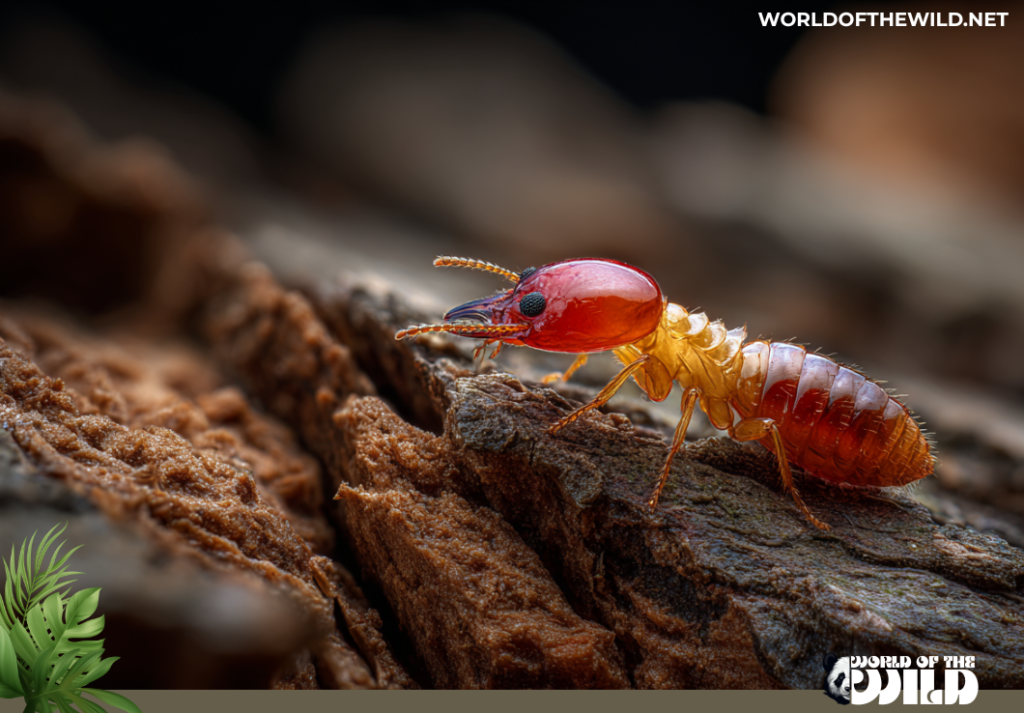
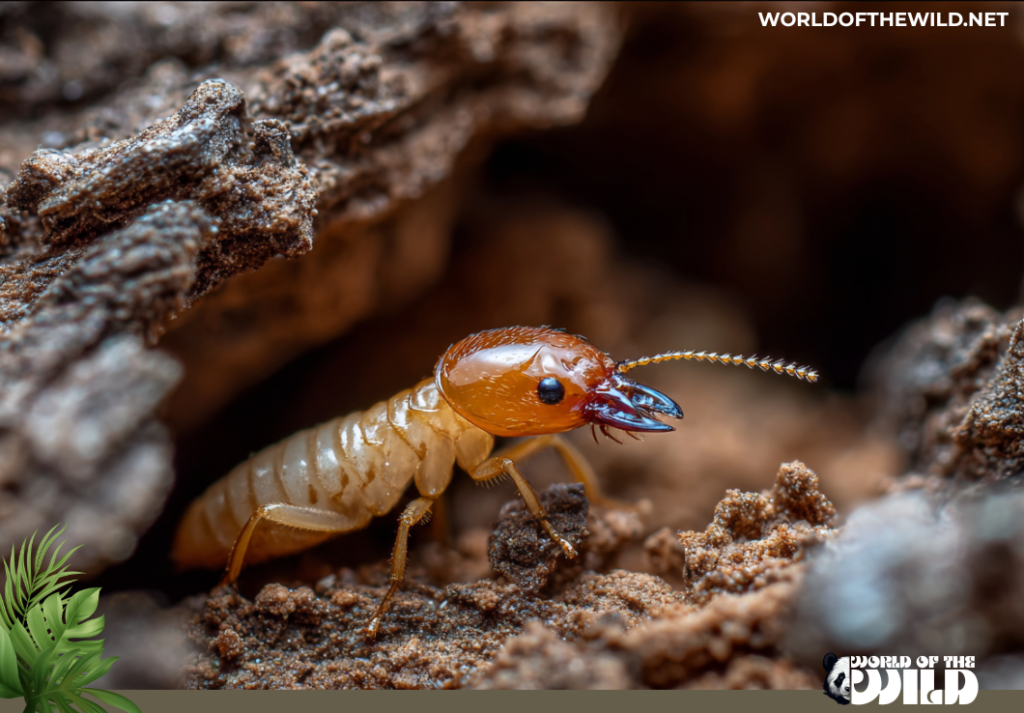
Soldiers are slightly larger than workers, typically 5–6 mm in length, and are among the most distinctive insects in the animal kingdom. The defining feature of Nasutitermes soldiers — giving the genus its name — is the nasus: a pointed, horn-like projection on the front of their head. This nasus functions as a chemical weapon nozzle. When threatened, soldiers discharge a sticky, toxic secretion through the nasus, entangling and immobilizing attackers, particularly ants. This makes Nasutitermes soldiers fundamentally different from the mandibulate soldiers of many other genera.
The queen is the largest individual in the colony by an enormous margin. A mature queen’s abdomen becomes massively enlarged — a condition called physogastrism — swelling to several centimeters as her ovaries expand to produce thousands of eggs per day. Her pale, bloated body can measure 3–5 cm or more in length and is virtually immobile, tended constantly by workers. The king, smaller than the queen but larger than workers, remains beside her throughout her life.
Alates — the winged reproductive males and females — appear seasonally and are darker in coloration, ranging from brown to dark amber, with two pairs of equal-length wings. They measure approximately 12–15 mm including the wings, making them the most visibly dramatic caste during swarming season.
Behavior
The mound building termite is among the most complex social organisms on the planet. Colony life is a masterwork of division of labor, chemical communication, and collective intelligence.
Communication is almost entirely chemical. Termites produce a sophisticated array of pheromones that convey trail information, alarm signals, colony identity, and reproductive caste status. When a worker locates a food source, it lays a chemical trail back to the nest, recruiting others. When the colony is disturbed, alarm pheromones spread rapidly, triggering soldiers to the defense and sending workers into protective retreat. Vibrational communication supplements chemical signals — soldiers drumming their heads against tunnel walls can transmit alarm information at impressive speed through solid earth.
The mound itself is an extraordinary behavioral artifact. Workers collect soil particles, mix them with saliva and feces, and apply them in precise configurations to construct a structure that manages temperature, humidity, and gas exchange simultaneously. The outer shell acts as insulation, while an internal network of channels facilitates the exchange of carbon dioxide and oxygen. Warm, CO₂-rich air rises through central shafts and diffuses outward through the porous mound walls, while cooler, fresh air enters from below — a passive ventilation system that keeps millions of inhabitants alive without any mechanical intervention.
Foraging occurs primarily at night or within covered mud tunnels that workers construct over exposed surfaces, protecting the colony from light, desiccation, and predators. Workers are relentless in their effort; studies have shown that a large colony may harvest several kilograms of dead plant material every single day. One of the most remarkable behavioral traits in this genus is the cultivation of symbiotic fungi within specialized chambers — fungal gardens that supplement the colony’s ability to digest tough plant material, requiring precise humidity and temperature control to maintain. It is agriculture in miniature, perfected over tens of millions of years.
Evolution
The evolutionary story of termites is one of the great narratives in entomology, stretching back well over 100 million years to the Mesozoic Era. The earliest definitive termite fossils date to approximately 130 million years ago, during the Early Cretaceous, though molecular clock estimates suggest the lineage may extend even further, possibly to the Late Triassic or Early Jurassic.
The crucial evolutionary insight, confirmed through molecular phylogenetics in the early 2000s, is that termites are not a separate order of insects but rather a clade nested within the cockroaches. Their closest living relatives are wood-feeding cockroaches of the genus Cryptocercus, which already harbor symbiotic gut microbes for cellulose digestion — a direct biological precursor to the termite system. Eusociality in termites is thought to have evolved once from this cockroach ancestor, making it an independently evolved form of cooperative living, entirely distinct from the eusociality seen in bees, wasps, and ants.
Early termites were likely simple, small-bodied wood nesters, much like many “lower” termite families living today — such as Kalotermitidae and Rhinotermitidae. The evolution of the family Termitidae, to which the mound building termite belongs, represents a later and highly derived stage of termite evolution. Termitidae are known as “higher termites” and are distinguished by the loss of the hindgut protozoa that lower termites depend on for cellulose digestion; instead, they rely primarily on a diverse community of bacteria.
The capacity for mound construction is a derived trait that evolved multiple times across different termite lineages, suggesting powerful convergent evolutionary pressures — particularly in hot, variable, or seasonally dry climates where thermoregulation and humidity control are critical to survival. Nasutitermes itself is a relatively modern genus in evolutionary terms, part of a radiation that likely accelerated through the Cenozoic as grassland and savanna environments expanded globally following the retreat of forests.
Habitat
Nasutitermes exitiosus is found across a broad sweep of southern and eastern Australia, including parts of South Australia, Victoria, New South Wales, and the Australian Capital Territory. It is particularly well adapted to open woodland, dry sclerophyll forest, savanna, and grassland environments — the classic Australian bush country of eucalyptus trees, sparse grass, and sun-baked earth.
The mound itself is the colony’s primary habitat — a self-contained microenvironment that the termites engineer and maintain to their exacting specifications. Mounds are typically constructed in open areas with good solar exposure, as the sun’s warmth plays a role in the mound’s thermal economy. In areas with distinct wet and dry seasons, the mound’s hardened exterior provides vital protection against rain, flooding, and extreme temperature swings.
Below the visible mound, an extensive subterranean gallery system extends outward from the base, sometimes over distances of 50 meters or more, as workers push foraging tunnels through the soil in search of dead wood, leaf litter, grass, and other cellulose-rich material. The surrounding landscape is intimately connected to the mound, which functions as a hub in a vast underground network.
Mound building termites are absent from the wettest tropical rainforests of northern Queensland, which are dominated by other termite genera, and from the harshest arid deserts of the continent’s interior. They thrive in the intermediate zone — landscapes defined by distinct seasons, reliable organic litter, and soils suitable for mound construction.
Diet
Mound building termites are herbivores — more specifically, detritivores and xylophages — meaning they feed on dead and decaying plant material, with a particular emphasis on wood and dry grass. They do not hunt, and they consume living plant tissue only rarely; their core ecological role is decomposition and nutrient cycling rather than herbivory in the traditional sense.
Foraging is conducted exclusively by workers, who venture out from the mound — almost always under the cover of darkness or within enclosed mud tunnels — in search of fallen timber, dead branches, bark, leaf litter, and dried grass. Once located, food is broken down in the worker’s gut through a combination of cellulolytic bacteria housed in the hindgut and fungal enzymes derived from cultivated fungal gardens within the mound.
The colony’s cellulose digestion system is extraordinarily efficient. What few other animals can digest at all, termites process with remarkable completeness, extracting energy from one of the most abundant organic polymers on Earth. Workers also engage in trophallaxis — the mouth-to-mouth exchange of liquid food between colony members — which distributes both nutrition and essential gut microbiota throughout the entire colony population.
Mound building termites supplement their diet with soil particles, which provide minerals and likely assist in gut processing, a behavior known as geophagy. The colony’s nutritional needs are broad, and workers are continuously engaged in foraging, processing, and distributing food to ensure that every member — from the smallest worker to the egg-laying queen — is perpetually fed.
Predators and Threats
Despite building formidable fortresses and deploying sophisticated chemical warfare, mound building termites face a host of natural predators that have co-evolved alongside them over millions of years.
The echidna (Tachyglossus aculeatus), Australia’s iconic egg-laying mammal, is perhaps the mound building termite’s most specialized predator. Armed with powerful digging claws and a long, sticky tongue, echidnas tear through hardened mound walls and lap up termites by the thousands. The numbat (Myrmecobius fasciatus), a small marsupial now critically endangered, is almost exclusively a termite specialist, consuming up to 20,000 termites per day. Various lizard species — including blue-tongue lizards and monitor lizards (goannas) — readily exploit exposed termites during swarming events. Birds such as kookaburras, corellas, and fairy-wrens also gather in large numbers to feast on alates during nuptial flight season.
Army ants and other ant species pose a persistent threat, particularly to foraging workers and soldiers caught outside the mound. The chemical arsenal of Nasutitermes soldiers — that remarkable nasal spray — evolved primarily as a counter-adaptation to ant predation, and it is highly effective at entangling and incapacitating attackers.
Human-caused threats are less acute for this species than for many others, but they are not negligible. Land clearing for agriculture and urban development destroys both mound structures and the foraging habitat that surrounds them. Widespread pesticide use in agricultural areas reduces termite populations and disrupts the food chains that depend on them. Climate change represents an emerging and potentially significant threat: altered rainfall patterns, more frequent droughts, and rising temperatures across southeastern Australia may shift habitat suitability and disrupt the precise thermal and hydrological conditions that mound construction depends upon. Invasive species — particularly the red imported fire ant (Solenopsis invicta), which has begun establishing populations in Queensland — may pose a growing future threat to colonies in affected regions.
Reproduction and Life Cycle
The reproductive life of a mound building termite colony is a story of extraordinary demographic control, remarkable longevity, and precisely timed mass dispersal.
At the heart of every colony sits the queen — a single, physogastric female of potentially extraordinary age. In Nasutitermes and related higher termites, queens have been recorded living for 15 to 25 years, possibly longer. During her productive life, she may lay thousands of eggs per day, attended by a retinue of workers who clean her, feed her, and transport her eggs to nursery chambers. She is typically accompanied by a king — a male who continues to fertilize her throughout her life, unlike in many bee colonies where the queen stores sperm from a single mating event.
Colony reproduction occurs through the production of alates — winged reproductive males and females. After years of growth, the colony begins producing these winged individuals in large numbers. Their emergence is triggered by environmental cues, particularly the arrival of warm, humid weather following seasonal rains — conditions typical of the Australian spring and early summer. On the swarming day, often triggered by a specific threshold of temperature and humidity, thousands or even millions of alates from colonies across a region take flight simultaneously in what is called a nuptial flight. This synchrony reduces individual predation risk through overwhelming numbers — a strategy of safety through saturation.
After landing, alates shed their wings, and a male and female pair up to begin excavating a small founding chamber in the soil. The queen lays her first modest batch of eggs — typically just a few dozen — and the founding pair tends to this first generation personally. The first workers take months to mature, and the early colony is dangerously vulnerable, with a very high failure rate; only a fraction of founding pairs survive long enough to establish a thriving colony.
Once established, the colony grows steadily over years. Workers, soldiers, and supplementary reproductives are produced as needed, with caste determination controlled by a complex interplay of pheromones, nutrition, and colony demographics. The mound begins as a small, irregular structure and expands year by year into the imposing edifice associated with mature colonies. A fully mature colony — representing perhaps a decade or more of sustained growth — may contain upwards of one million individuals.
Population
The mound building termite (Nasutitermes exitiosus) is currently classified as Least Concern on the IUCN Red List of Threatened Species. This reflects the species’ wide distribution across southern and eastern Australia, its high reproductive capacity, and the absence of any severe, range-wide population decline.
No precise global population count exists for this species — as with most invertebrates, direct census is logistically impossible. However, mound building termites are considered abundant and widespread within their range, and colony densities in suitable habitat can be remarkably high. In optimal Australian woodland environments, dozens of active mounds per hectare have been documented.
Despite the species’ overall security, there are reasons for careful monitoring. Regional populations in southeastern Australia have faced ongoing habitat pressure from agricultural expansion and urban development. Long-term studies in parts of New South Wales and Victoria have noted declines in termite diversity and abundance in heavily modified agricultural landscapes. Climate projections for southeastern Australia — which include increased drought frequency and higher average temperatures — could reduce habitat suitability, particularly at the southern and southwestern margins of the species’ range.
The broader ecological significance of termite population health cannot be overstated. Termites are keystone decomposers in Australian woodlands, and their decline in any given area cascades through the ecosystem, affecting soil health, nutrient availability, and the many species — from echidnas to kookaburras — that depend on them directly for food.
Conclusion
The mound building termite is, in every meaningful sense, one of nature’s most astonishing success stories. In an animal smaller than a grain of rice, we find the full spectrum of biological complexity: sophisticated communication, collaborative architecture that rivals human engineering, deep ecological indispensability, and an evolutionary lineage stretching back to the age of dinosaurs. The towering mounds that punctuate the Australian landscape are not mere curiosities — they are monuments to collective intelligence, living proof that extraordinary things can emerge from the coordinated efforts of the very small.
Yet even the most resilient of nature’s engineers are not immune to the accelerating pace of environmental change. Habitat loss, climate disruption, and the spread of invasive species cast a lengthening shadow over the ecosystems that mound building termites anchor. While the species is not currently threatened, the conditions that sustain it — and the intricate webs of life that depend upon it — are under increasing pressure.
Perhaps the most powerful lesson the mound building termite offers us is one about systems: how individual actors, operating without a plan, without leadership, without even the ability to see, can collectively build something far greater than the sum of its parts. In a world that increasingly demands collaborative solutions to complex, systemic problems, that is not merely an inspiring natural history story. It is a blueprint. The next time you walk past a termite mound, slow down. Look at it carefully. You are standing in front of one of evolution’s finest achievements — and it deserves far more than a passing glance.
Quick Reference
| Field | Details |
|---|---|
| Scientific Name | Nasutitermes exitiosus |
| Diet Type | Herbivore / Detritivore (dead wood, grass, leaf litter) |
| Size | Workers: ~0.16–0.20 in; Soldiers: ~0.20–0.24 in; Alates: ~0.47–0.59 in (wings included); Queen: up to ~1.97 in |
| Weight | Workers/Soldiers: <0.0001 lb; Mature Queen: up to ~0.004–0.007 lb |
| Region Found | Southern and eastern Australia (South Australia, Victoria, New South Wales, ACT) |