
Table of Contents
Imagine a rabbit so small it could curl up comfortably inside a coffee mug. Now imagine that same creature digging its own burrow with astonishing efficiency, surviving brutal winters on a diet of sagebrush that most animals wouldn’t touch, and doing all of this while evading hawks, badgers, and coyotes in the vast, windswept shrublands of the American West. This is the Pygmy Rabbit — the smallest rabbit in North America and one of only two rabbit species on the continent that digs its own burrows. Despite its diminutive stature, this little lagomorph carries a story of evolutionary brilliance, ecological importance, and urgent conservation concern that deserves far more attention than it typically receives. If you’ve never heard of the Pygmy Rabbit before, consider that a personal oversight worth correcting — because once you know this animal exists, it’s impossible not to root for it.
Facts
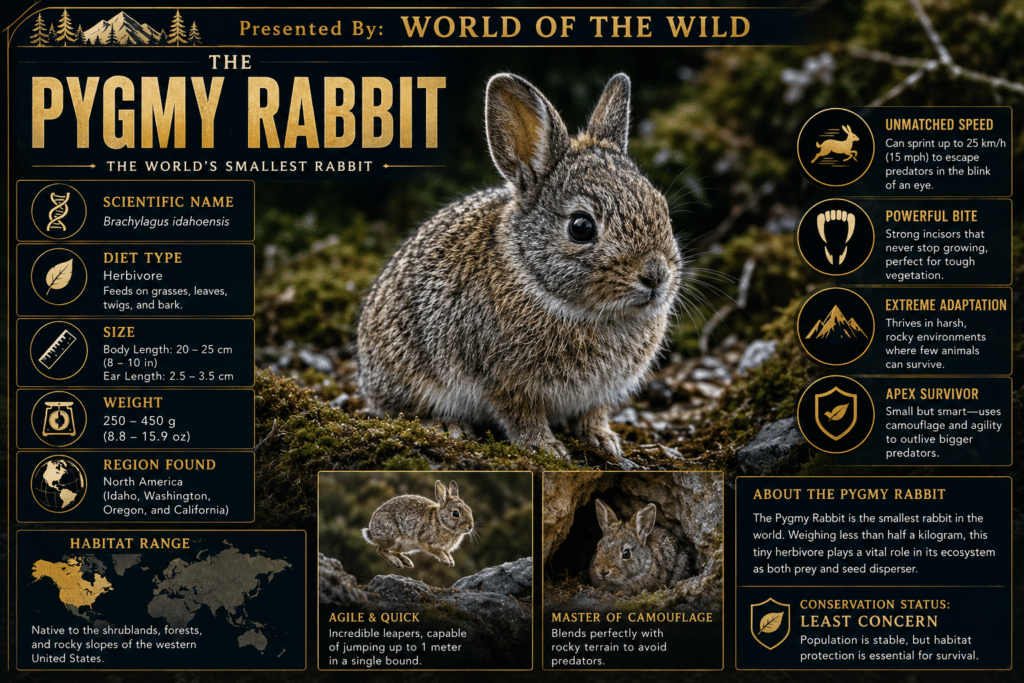
- The Pygmy Rabbit is the smallest rabbit in North America and one of the smallest rabbits in the entire world, with adults weighing less than a pound.
- Unlike most North American rabbits, the Pygmy Rabbit is one of only two rabbit species on the continent (the other being the European rabbit) that excavates its own burrows rather than borrowing those of other animals.
- Pygmy Rabbits are one of the few mammals known to subsist almost entirely on sagebrush (Artemisia spp.) during winter months — a plant so pungent and chemically bitter that most herbivores actively avoid it.
- They are remarkably fast for their size, capable of reaching speeds up to 15 miles per hour and using a zigzagging evasion strategy when pursued by predators.
- The critically imperiled Columbia Basin Pygmy Rabbit — an isolated population in Washington State — was once considered so genetically distinct that it was treated as a subspecies, and its near-extinction prompted one of the most intensive rabbit recovery programs in U.S. history.
- Pygmy Rabbits can produce up to three litters per year, making reproductive rate one of their primary survival strategies in an environment rife with predation.
- Unlike hares, Pygmy Rabbits are born altricial — helpless, hairless, and blind — rather than precocial, meaning they require significant maternal care during early development.
Species
Full Taxonomic Classification:
| Rank | Classification |
|---|---|
| Kingdom | Animalia |
| Phylum | Chordata |
| Class | Mammalia |
| Order | Lagomorpha |
| Family | Leporidae |
| Genus | Brachylagus |
| Species | Brachylagus idahoensis |
The Pygmy Rabbit holds a particularly notable place in lagomorph taxonomy: it is the sole member of the genus Brachylagus, making it monotypic at the genus level. This alone signals just how evolutionarily distinct this animal is from its rabbit relatives. While it shares the family Leporidae with cottontails (Sylvilagus spp.) and jackrabbits (Lepus spp.), the Pygmy Rabbit’s genetic lineage diverged early enough to warrant its own genus — a distinction that underscores its biological uniqueness.
The most significant intraspecific grouping involves the Columbia Basin Pygmy Rabbit, historically referred to as Brachylagus idahoensis of the Columbia Basin, Washington. Though not universally recognized as a formal subspecies by all taxonomic authorities, this isolated population is genetically and morphologically distinct from the broader species, exhibiting reduced genetic diversity consistent with long-term isolation. Its near-extinction in the early 2000s, when fewer than 30 individuals remained in the wild, prompted emergency captive breeding efforts involving several major zoos and wildlife agencies.
There are no other closely related species within the genus, though the Pygmy Rabbit shares ecological and behavioral traits with several Old World small rabbits and pikas within the order Lagomorpha.
Appearance
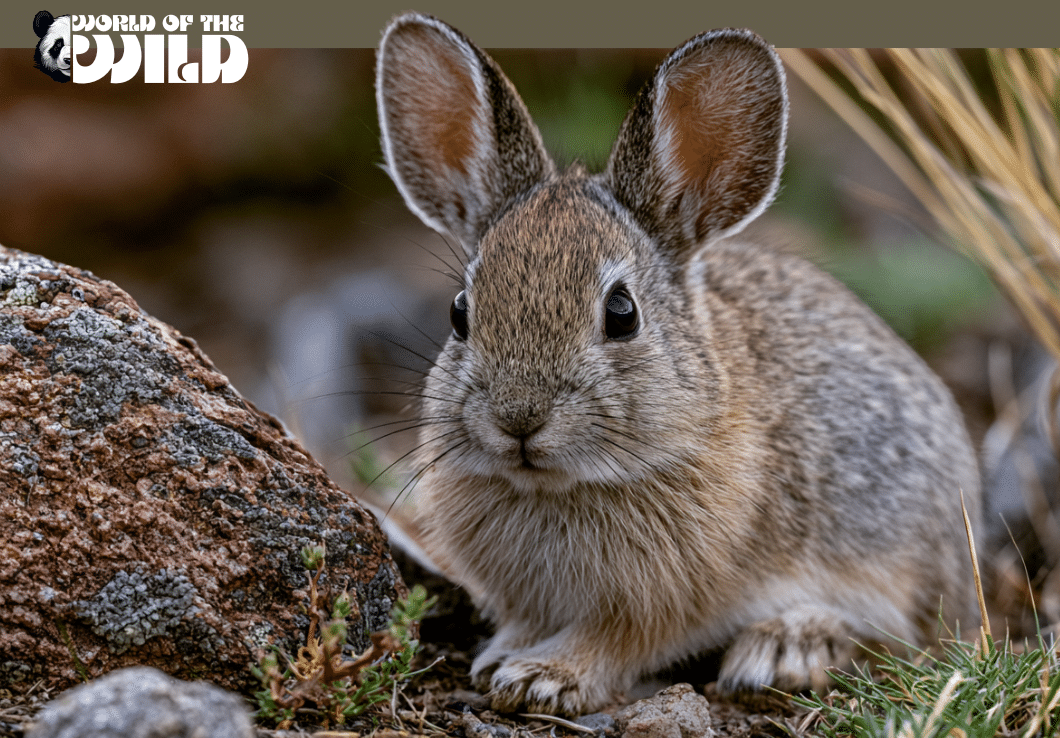
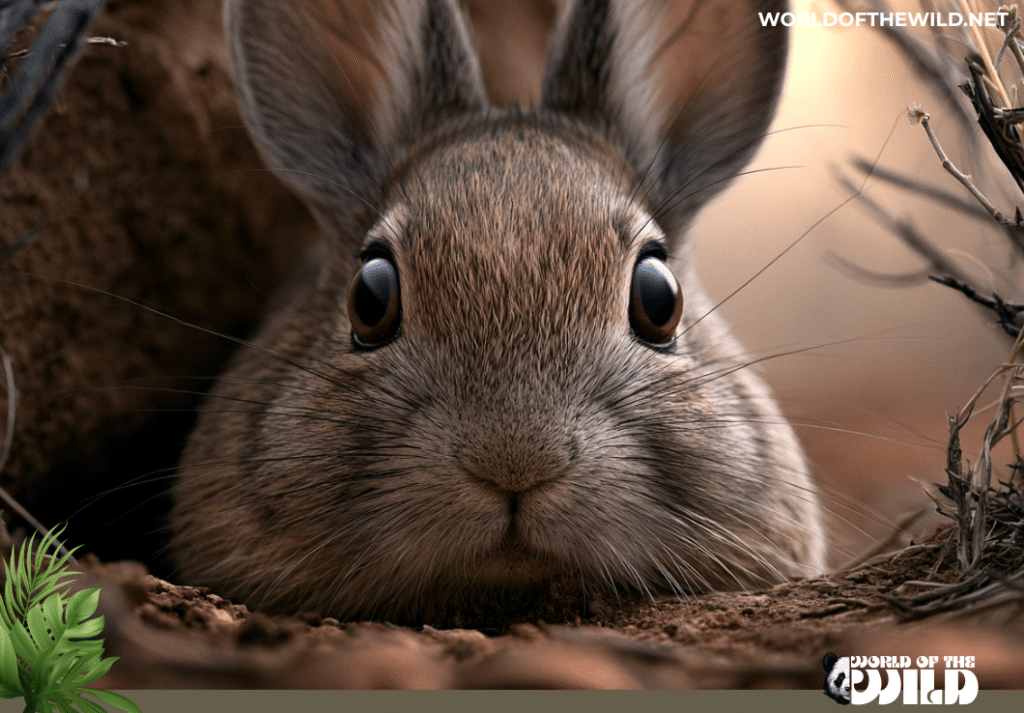
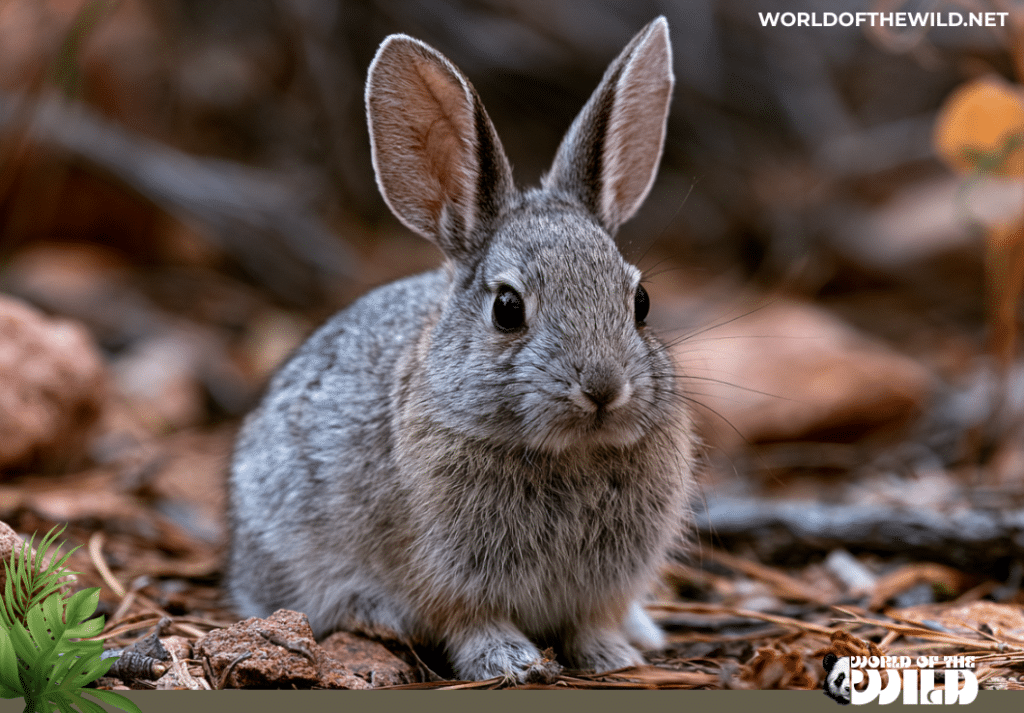
The Pygmy Rabbit is, without question, one of nature’s most endearing creatures — a perfectly compact package of soft fur and enormous eyes. Adults typically measure between 9 and 11.5 inches in body length, with females being slightly larger than males, a trait known as reverse sexual dimorphism common in lagomorphs. Their weight ranges from approximately 0.77 to 1.1 pounds, placing them firmly in the category of “can-fit-in-your-hand” mammals.
Their fur is a dense, gray-brown to slate-gray on the dorsal side, providing exceptional camouflage among the silver-gray tones of sagebrush habitat. The belly fur is pale — whitish or buff-toned — and the ears are notably short and rounded compared to other rabbit species, edged with a subtle buffy or pinkish border. This ear shape is not merely aesthetic; shorter ears reduce heat loss in cold, high-desert environments. The tail is tiny and almost imperceptible — so small that even the characteristic “cottontail” flash that many rabbits use as a predator-distraction signal is essentially absent in this species.
The hind legs, while powerful enough for rapid bursts of speed, are proportionally shorter than those of jackrabbits or snowshoe hares, reflecting the Pygmy Rabbit’s lifestyle as a burrower and dense-cover specialist rather than an open-ground sprinter. Their overall silhouette is rounded and compact, and in winter, the fur grows thicker and can shift slightly toward grayer tones, offering continued camouflage in partially snow-covered landscapes.
Behavior
The Pygmy Rabbit is primarily a crepuscular and nocturnal animal, meaning it is most active during the low-light hours of dawn, dusk, and night. This behavioral timing is no accident — it dramatically reduces exposure to diurnal aerial predators such as hawks and eagles while allowing the rabbit to exploit cooler temperatures, which is critical in the sun-baked shrubsteppe during summer months.
These rabbits are largely solitary, though they tolerate neighbors within overlapping home ranges, particularly during breeding season. Communication occurs through a combination of foot thumping — a classic lagomorph alarm signal — as well as vocalizations. When frightened or captured, Pygmy Rabbits emit a high-pitched squeal or scream, a sound jarring in its intensity given the animal’s tiny size.
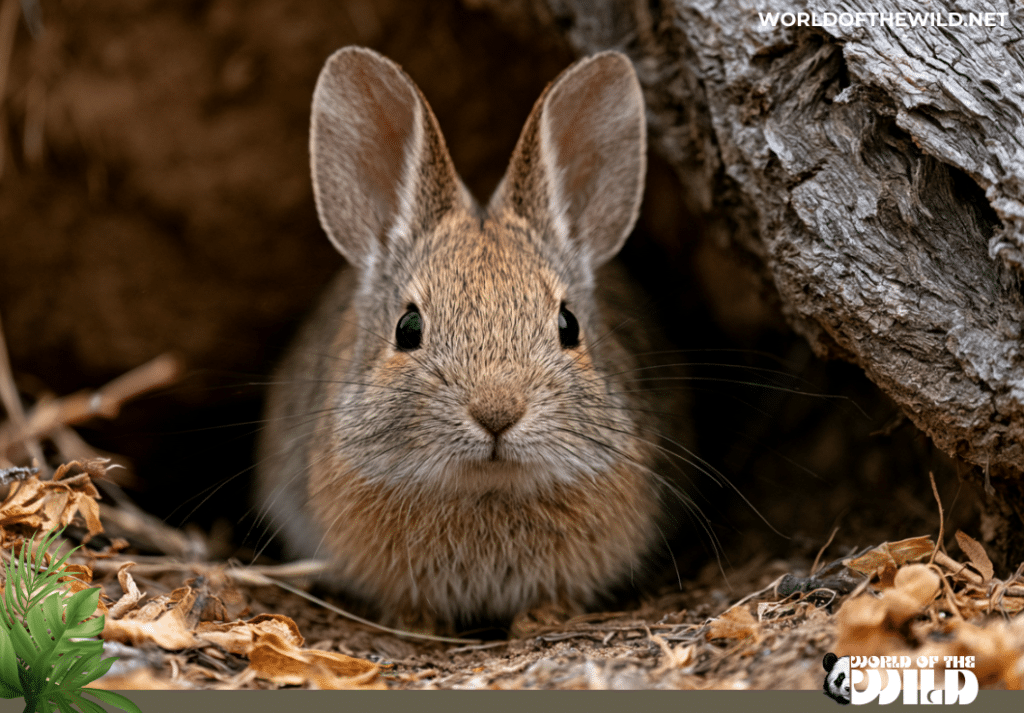
One of the most distinctive behavioral adaptations of the Pygmy Rabbit is its relationship with its burrow system. Unlike cottontails that shelter in brush piles or the abandoned burrows of ground squirrels, Pygmy Rabbits excavate their own multi-entrance burrow networks in loose, deep soils beneath sagebrush canopy. These burrows serve as thermal refugia in both summer heat and winter cold, as escape routes from predators, and as shelter for raising young. The burrows are almost always located directly beneath or adjacent to large sagebrush shrubs, further blurring the line between this animal’s physical and ecological dependency on a single plant.
Pygmy Rabbits also display a fascinating behavior during particularly cold winters: extended periods of reduced activity that, while not true hibernation, involve spending long stretches inside their burrows subsisting on cached or nearby sagebrush without venturing far into the open. Their ability to digest sagebrush — a plant rich in toxic terpenes and aromatic compounds — involves a highly specialized gut microbiome, making their digestive physiology as remarkable as any of their external behaviors.
Evolution
The evolutionary history of the Pygmy Rabbit is intimately tied to the ancient landscapes of western North America and the rise of the sagebrush ecosystem. The family Leporidae, to which all rabbits and hares belong, originated in Asia during the Eocene epoch, roughly 40 to 50 million years ago, before eventually colonizing North America via land bridges. The lagomorph lineage as a whole is ancient and highly specialized, with a jaw structure and digestive system fundamentally different from rodents, despite superficial similarities.
The genus Brachylagus diverged from other leporids during the Pliocene or early Pleistocene, approximately 2 to 5 million years ago, as the Great Basin and Columbia Basin sagebrush ecosystems took shape and expanded. The Pygmy Rabbit’s evolution appears to have tracked closely with the spread of Artemisia — the sagebrush genus — suggesting a co-evolutionary relationship between predator and plant that drove increasing dietary specialization over millions of years. The rabbit’s ability to tolerate high concentrations of monoterpenes (the toxic aromatic compounds in sagebrush) is thought to be a derived trait that opened an ecological niche with little competition.
During the Pleistocene, when glacial cycles repeatedly reshaped western North America’s landscapes, Pygmy Rabbit populations were likely fragmented into isolated refugia. This process explains the significant genetic divergence seen in the Columbia Basin population, which was separated from the main species range by geographic barriers and experienced independent evolution for thousands of years. These ice-age population dynamics left a legacy in the modern species’ genetics that continues to inform conservation strategies today.
Habitat
The Pygmy Rabbit is almost entirely dependent on a single ecosystem type: big sagebrush (Artemisia tridentata) shrubland, specifically areas dominated by tall, dense sagebrush growing in deep, loose, loamy soils capable of supporting burrow construction. This habitat requirement is among the most specific of any North American mammal, and it renders the Pygmy Rabbit extraordinarily vulnerable to any disruption of the sagebrush ecosystem.
Geographically, the species ranges across the Great Basin and surrounding shrubsteppe of the western United States, including parts of Idaho, Nevada, Utah, Oregon, California, Montana, Wyoming, and Washington. The Washington State Columbia Basin population is the most isolated and genetically distinct.
Elevation ranges for Pygmy Rabbit habitat typically fall between 4,000 and 7,000 feet, though this varies by region. The rabbits prefer areas where sagebrush canopy is tall — often over three feet in height — and dense enough to provide both food and overhead cover from aerial predators. The soils must be sufficiently deep (ideally greater than 20 inches) and fine-textured enough to allow burrow excavation without collapse.
Riparian edges, rocky outcrops, and areas transitioning into grassland or juniper woodland are generally avoided. This extreme habitat fidelity means that even modest-scale land disturbances — a wildfire, an agricultural conversion, an invasive grass invasion — can render formerly suitable habitat completely uninhabitable for the species.
Diet
The Pygmy Rabbit is an obligate herbivore with one of the most specialized diets of any North American mammal. During summer and fall, the diet is somewhat varied, incorporating grasses, forbs, and other shrub species available within their home range. However, as winter approaches and vegetation diversity collapses, the Pygmy Rabbit pivots almost entirely to sagebrush, which can constitute up to 99% of their winter diet.
This is an extraordinary dietary feat. Sagebrush leaves are loaded with monoterpenes and other secondary plant compounds evolved specifically to deter herbivory. Most mammals find sagebrush unpalatable or actively toxic in large quantities. The Pygmy Rabbit circumvents this through a highly specialized gut microbiome — a community of bacteria and other microorganisms in the digestive tract that detoxify these compounds and extract usable energy from otherwise indigestible plant material.
Like all lagomorphs, Pygmy Rabbits also practice cecotrophy — the consumption of specialized fecal pellets called cecotropes that are produced in a section of the gut called the cecum. These cecotropes are rich in proteins, vitamins, and beneficial microorganisms, and consuming them directly from the anus allows the rabbit to essentially digest its food twice, maximizing nutritional extraction. This behavior, while perhaps surprising to human observers, is a cornerstone of lagomorph nutrition and is non-negotiable for the animal’s health.
Foraging occurs primarily near burrow entrances, and Pygmy Rabbits rarely venture far from cover, keeping feeding excursions short and close to safety.
Predators and Threats
Despite their speed, camouflage, and burrow systems, Pygmy Rabbits face a formidable gauntlet of natural predators. Aerial hunters including red-tailed hawks, ferruginous hawks, golden eagles, and great horned owls are constant threats. On the ground, badgers, coyotes, long-tailed weasels, American martens, and bobcats regularly prey on Pygmy Rabbits. Rattlesnakes may occasionally take young individuals near burrow entrances.
The rabbit’s primary defenses — speed, zigzag evasion, camouflage, and rapid retreat to burrows — are effective under normal conditions, but these strategies fail entirely when habitat is degraded and cover is removed.
Human-caused threats are arguably far more serious than natural predation in the long term:
Habitat loss and fragmentation represent the most severe threat. Conversion of sagebrush land to agriculture, urban development, and energy infrastructure has eliminated vast swaths of formerly suitable habitat across the Great Basin and Columbia Basin.
Invasive annual grasses, particularly cheatgrass (Bromus tectorum), have transformed the fire ecology of sagebrush ecosystems. Cheatgrass creates continuous, highly flammable fuel loads that allow wildfires to burn larger and more frequently than the native sagebrush ecosystem evolved to handle. Sagebrush does not resprout after fire, meaning large burns can convert sagebrush habitat to cheatgrass-dominated grassland for decades or permanently.
Climate change is exacerbating drought conditions, altering snow patterns, and stressing sagebrush plants across their range — potentially shrinking the quality and availability of suitable habitat over the coming decades.
Livestock overgrazing can degrade sagebrush structure and soil stability, reducing habitat suitability even in areas that remain nominally intact.
Reproduction and Life Cycle
The Pygmy Rabbit’s reproductive strategy reflects the pressures of living in a predator-dense environment: breed early, breed often, and hope enough offspring survive. The breeding season typically begins in late winter or early spring, often as early as February or March depending on latitude and elevation, and can extend through the summer, with females capable of producing two to three litters per year.
Gestation lasts approximately 27 to 30 days, after which a female gives birth to a litter of three to eight kits — though four to six is most typical. Kits are born altricial: hairless, blind, and entirely dependent on maternal care. They are born within the burrow system, where the female has prepared a nest of soft grasses and her own fur to insulate and protect them.
Eyes open at around 10 days, and the kits grow quickly, beginning to explore outside the burrow entrance by three to four weeks of age. Weaning occurs at approximately four weeks, after which the young must rapidly develop the foraging skills and predator-avoidance behaviors needed to survive independently. Given the intense predation pressure on small lagomorphs, a significant proportion of juveniles do not survive their first season.
Sexual maturity is reached quickly — females can breed in their first year of life, sometimes even as young as a few months old if born early in the season. In the wild, Pygmy Rabbits rarely live beyond three to five years, though most individuals likely succumb to predation well before reaching maximum lifespan.
Population
The Pygmy Rabbit is currently listed as a species of least concern by the IUCN Red List at the species level, reflecting the fact that the overall species — while declining — is not yet facing imminent extinction across its range. However, this designation can be misleading, as population trends are broadly negative across much of the Great Basin due to ongoing habitat degradation.
The most urgent conservation situation involves the Columbia Basin Distinct Population Segment, which is listed as Endangered under the U.S. Endangered Species Act. This population crashed to fewer than 30 individuals in the wild in the early 2000s, prompting emergency intervention. Captive breeding programs at several institutions — including the Oregon Zoo and Washington State University — successfully produced animals that were subsequently reintroduced to restored sagebrush habitat in Washington State. While these recovery efforts have shown some success in re-establishing a wild presence, the Columbia Basin population remains critically small and fragile.
Across the broader species range, there are no reliable global population estimates due to the difficulty of surveying a small, cryptic, burrowing mammal in remote shrubland habitat. What researchers do know is that local populations are patchy and often isolated, leaving them vulnerable to local extinction events from which recolonization may not easily occur. The ongoing conversion and degradation of sagebrush habitat — driven by wildfire, invasive species, and land use change — continues to reduce both the quantity and quality of available habitat.
Conservation efforts include sagebrush restoration programs, targeted management of cheatgrass and other invasive plants, protection of key habitat patches through land acquisition and easements, and monitoring programs aimed at better tracking population trends over time.
Conclusion
The Pygmy Rabbit is a creature that refuses to be overlooked once you truly understand it. In a body smaller than a human hand, it carries an evolutionary story millions of years in the making, a dietary superpower that allows it to thrive on food most animals shun, and a tenacious spirit that has kept it alive through ice ages, continental shifts, and now the accelerating pressures of the modern era. It is proof that ecological significance has nothing to do with size — this tiny rabbit anchors food webs, reflects the health of vast sagebrush ecosystems, and serves as a bellwether for one of the most threatened and underappreciated habitats in North America.
The fate of the Pygmy Rabbit is inseparable from the fate of sagebrush country. When we protect and restore sagebrush ecosystems — for this rabbit, for sage grouse, for pronghorn, for the hundreds of species that depend on this sea of silver-green — we protect something irreplaceable. The Columbia Basin Pygmy Rabbit’s near-extinction and partial recovery should serve not as a quiet footnote but as a loud, urgent warning: small animals in specialized habitats can vanish with startling speed, and bringing them back demands extraordinary effort. The best time to act is before that cliff’s edge is reached. Support sagebrush conservation organizations, advocate for responsible land management policies in the American West, and the next time someone asks you about North America’s most underrated mammal, you’ll know exactly what to say.
Quick Reference
| Scientific Name | Brachylagus idahoensis |
| Diet Type | Herbivore (specialist; primarily sagebrush in winter) |
| Size | 9–11.5 inches (approximately 0.75–0.96 feet) |
| Weight | 0.77–1.1 pounds |
| Region Found | Western United States (Great Basin and Columbia Basin shrubsteppe; Idaho, Nevada, Utah, Oregon, California, Montana, Wyoming, Washington) |