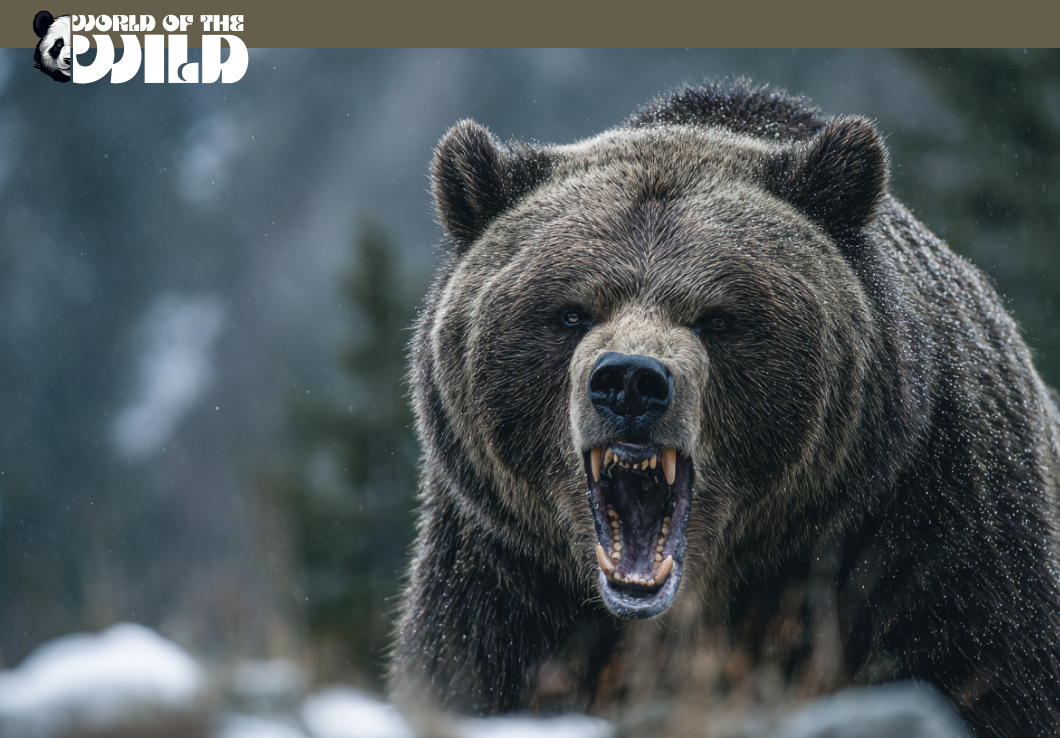

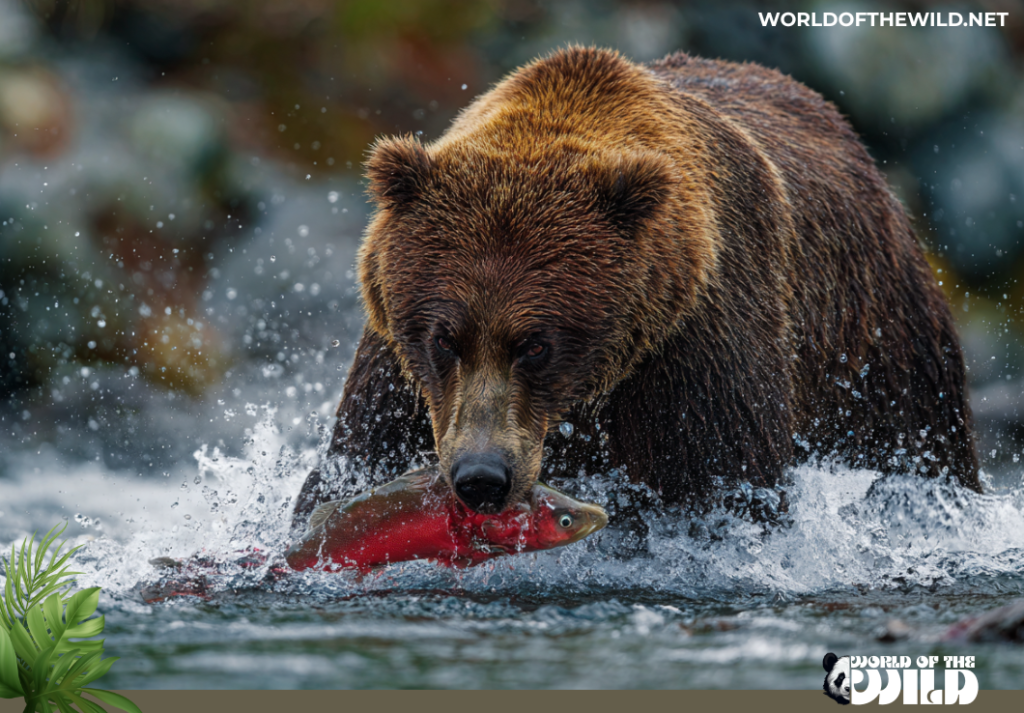
In the dappled light of a mountain stream, a massive figure rises from the water, salmon clutched in powerful jaws, droplets cascading from silver-tipped fur. This is the grizzly bear—a creature that embodies the wild heart of North America’s wilderness. Few animals command such a mixture of fear, respect, and fascination as this formidable predator. Once roaming from the Great Plains to the Pacific Coast and from Alaska to Mexico, the grizzly has become an emblem of untamed nature, a living reminder of what wilderness truly means. These magnificent bears are not merely surviving relics of a bygone era; they are intelligent, adaptable apex predators whose complex behaviors and critical ecological role make them one of the most compelling subjects in wildlife science.
Facts
- Shoulder Hump Powerhouse: The grizzly’s distinctive shoulder hump is pure muscle, providing the incredible digging power needed to excavate dens, unearth ground squirrels, and flip over 200-pound boulders as if they were pebbles.
- Memory Masters: Grizzly bears possess extraordinary spatial memory, capable of remembering the exact locations of food sources across their vast territories and returning to specific berry patches, whitebark pine groves, or spawning streams year after year, sometimes decades apart.
- Speed Demons: Despite weighing up to 800 pounds, grizzlies can sprint at speeds exceeding 35 miles per hour—faster than Usain Bolt and capable of outrunning a racehorse over short distances.
- Winter Recyclers: During hibernation, grizzlies don’t urinate or defecate for up to seven months. Their bodies recycle urea, breaking down waste products and using them to maintain muscle mass and bone density while they sleep.
- Nose Superiority: A grizzly’s sense of smell is approximately 2,100 times better than a human’s, allowing them to detect a carcass from over 20 miles away and smell food buried three feet underground.
- Paw Prints Like Giants: A grizzly’s front paw print can measure up to 12 inches long and 8 inches wide—larger than a dinner plate—with five toes and long, curved claws that can reach 4 inches in length.
- Ecosystem Engineers: Grizzlies inadvertently plant thousands of seeds through their scat, helping to distribute vegetation across vast landscapes and contributing significantly to forest regeneration and biodiversity.
Sounds of the Grizzly Bear
Species
Kingdom: Animalia
Phylum: Chordata
Class: Mammalia
Order: Carnivora
Family: Ursidae
Genus: Ursus
Species: Ursus arctos
Subspecies: Ursus arctos horribilis
The grizzly bear is a subspecies of the brown bear (Ursus arctos), one of the world’s most widespread bear species. While all grizzlies are brown bears, not all brown bears are grizzlies—the distinction is primarily geographic and behavioral. The term “grizzly” specifically refers to brown bears living in inland North America, distinguishing them from their coastal cousins, the Kodiak bears (Ursus arctos middendorffi) of Alaska’s Kodiak Archipelago, which are notably larger due to abundant salmon resources.
Other subspecies of brown bear include the Eurasian brown bear (Ursus arctos arctos) found across Europe and Asia, the Himalayan brown bear (Ursus arctos isabellinus), and the extinct California grizzly (Ursus arctos californicus), which once roamed the American Southwest. Genetic studies reveal that North American grizzlies share a common ancestor with their Eurasian relatives, having crossed the Bering land bridge during the Pleistocene epoch.
The grizzly’s scientific name, horribilis, meaning “horrible” or “terrible,” was assigned by naturalist George Ord in 1815, reflecting early settlers’ fearful perceptions of these powerful predators. However, this nomenclature fails to capture the complexity and ecological importance of these remarkable animals.
Appearance
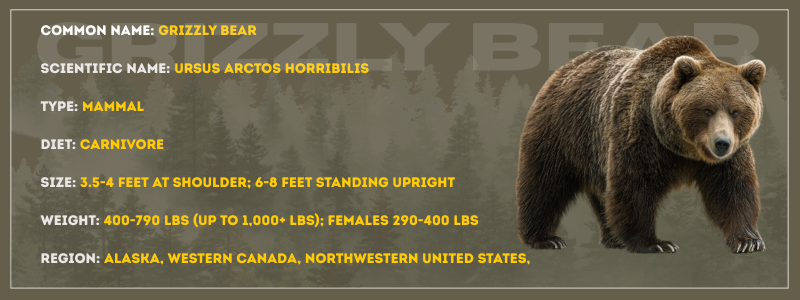
The grizzly bear presents an imposing silhouette that is unmistakable in the wild. Adult males, called boars, typically weigh between 400 and 790 pounds, though exceptional individuals can exceed 1,000 pounds. Females, or sows, are considerably smaller, averaging 290 to 400 pounds. Standing on all fours, grizzlies measure 3.5 to 4 feet at the shoulder, but when rearing up on their hind legs, they can tower at heights of 8 feet or more.
The grizzly’s fur varies dramatically in color, ranging from blonde and honey-colored to deep chocolate brown or nearly black. What gives them their name, however, is the grizzled appearance created by guard hairs with white or pale tips, particularly across the shoulders and back. This frosted look is especially pronounced in older individuals and creates a distinctive silver sheen in sunlight. The fur itself is dense and layered—a thick underfur provides insulation while longer guard hairs shed water and protect against the elements.
Perhaps the grizzly’s most distinctive feature is the pronounced muscular hump rising above the shoulders. This hump, absent in black bears, is composed of muscle mass that powers the bear’s front limbs during digging—an activity crucial to their survival. The face is characterized by a dished or concave profile, with small rounded ears and close-set eyes that belie their keen intelligence. Their claws are their most formidable tools: long, slightly curved, and non-retractable, they can measure up to 4 inches on the front paws. Unlike the shorter, sharper claws of black bears adapted for climbing, grizzly claws are designed for digging and excavation, though they remain deadly weapons when necessary.
The grizzly’s paws are enormous, with front tracks measuring significantly larger than the hind prints. Each paw has five toes arranged in an arc, and the plantigrade foot structure—walking on the entire sole, similar to humans—gives them remarkable dexterity and balance despite their bulk.
Behavior
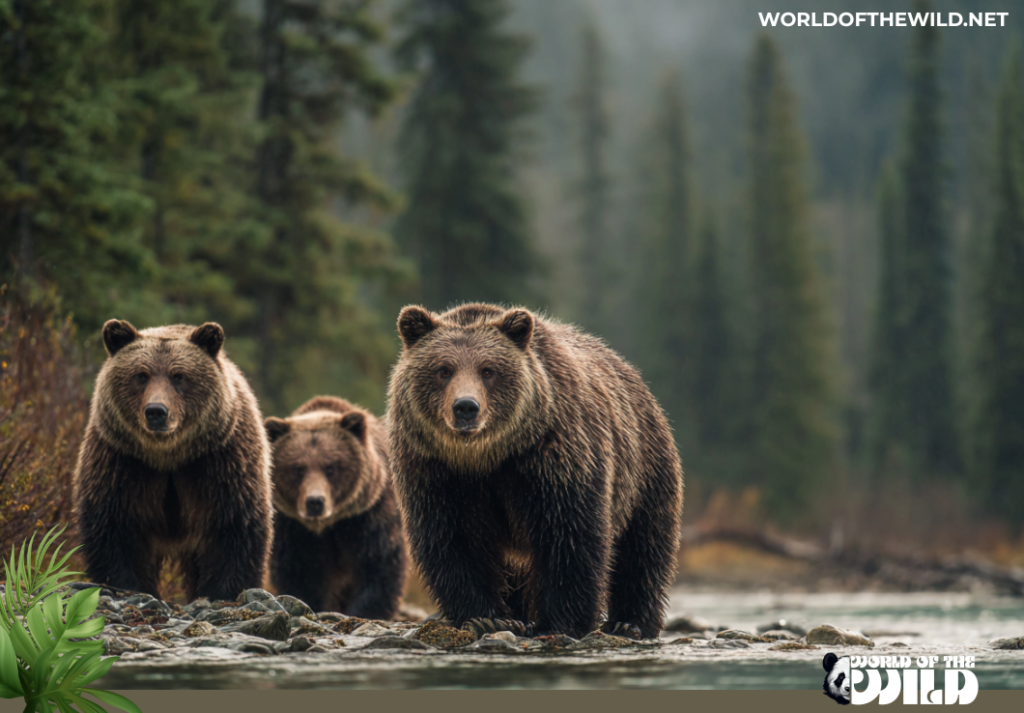
Grizzly bears are primarily solitary creatures, with adult bears maintaining individual territories that they traverse throughout their active season. These territories can be vast, with males ranging across areas of 200 to 500 square miles, while females occupy smaller home ranges of 50 to 300 square miles. The exception to their solitary nature occurs during mating season and at concentrated food sources, where temporary aggregations form. At prolific salmon streams, for instance, dozens of grizzlies may fish in relative proximity, establishing a complex hierarchy based on size, age, and temperament.
This social structure at feeding sites is maintained through body language and ritualized behaviors rather than constant physical confrontation. Dominant bears claim the best fishing spots, while subordinate individuals wait their turn or fish in less productive areas. Cubs and juveniles learn their place in this hierarchy by observing their mothers and testing boundaries with other bears.
Communication among grizzlies is sophisticated and multifaceted. Vocalizations include woofs, growls, roars, and the distinctive jaw-popping sound that signals agitation or stress. Mothers communicate with cubs through gentle grunts and huffs, while aggressive encounters involve roaring and teeth-clacking. Scent marking is perhaps even more important—bears rub against trees, creating “rub trees” that serve as information posts where individuals can assess who has passed through the area, their size, sex, and reproductive status. They also mark with urine and by deliberately stepping in their own scent, creating a trail that other bears can follow and interpret.
Grizzly intelligence is considerable and has been documented in numerous studies. They demonstrate problem-solving abilities, tool use, and individual personalities that range from bold to cautious, aggressive to gentle. They can learn from experience, modify their behavior based on changing circumstances, and even teach their cubs specific foraging techniques unique to different family lines. Research has shown that grizzlies in some areas develop cultural traditions—learned behaviors passed from mother to offspring, such as specialized hunting techniques or knowledge of seasonal food sources.
Activity patterns vary seasonally. During spring and summer, grizzlies are most active during dawn and dusk, though in areas with high human activity, they may become predominantly nocturnal. As autumn approaches and hyperphagia—the period of excessive eating before hibernation—sets in, bears may be active up to 20 hours a day, consuming up to 90 pounds of food daily to build the fat reserves necessary for winter survival.
Before hibernation, grizzlies construct dens, typically dug into hillsides at high elevations where snow accumulation will insulate the chamber. These dens are engineering marvels, with entrance tunnels, main chambers, and specific orientations to prevent flooding and maintain temperature stability. Inside these dens, grizzlies enter a state of torpor—a form of hibernation where body temperature drops only slightly, allowing them to rouse if disturbed, unlike the deep hibernation of smaller mammals.
Evolution
The evolutionary history of grizzly bears is a testament to adaptation and survival across millennia. The genus Ursus first appeared approximately 5 to 6 million years ago during the Pliocene epoch. The brown bear lineage, including grizzlies, diverged from other bear species around 1.2 to 2.8 million years ago.
The most significant ancestor of modern grizzlies was the cave bear (Ursus spelaeus) and the Etruscan bear (Ursus etruscus), though the direct ancestral line runs through Ursus arctos, which originated in Eurasia. During the Pleistocene epoch, brown bears crossed the Bering land bridge into North America in multiple waves, with the most recent migration occurring approximately 13,000 to 14,000 years ago. This timing is particularly significant as it coincided with the end of the last Ice Age and the presence of the Clovis people, early human inhabitants of North America.
Once in North America, brown bears diversified into the various populations we recognize today. The grizzly bears of the interior evolved distinct characteristics from their coastal relatives, adapting to different food sources and environmental conditions. Coastal bears, with access to abundant salmon, grew larger and developed different foraging strategies, while inland grizzlies became more omnivorous and developed enhanced digging abilities to access roots, tubers, and ground squirrels.
Genetic studies reveal fascinating details about grizzly evolution. Mitochondrial DNA analysis shows that all living brown bears, including grizzlies, share a common maternal ancestor that lived approximately 90,000 to 120,000 years ago. Furthermore, genetic exchange between grizzly bears and polar bears occurred during interglacial periods, creating hybrid populations in areas where their ranges overlapped. Some modern grizzly populations carry genetic markers from polar bears, evidence of ancient hybridization events.
The evolutionary success of grizzlies lies in their remarkable adaptability. Unlike more specialized species, grizzlies evolved as generalist omnivores capable of thriving in diverse environments and exploiting a wide variety of food sources. This flexibility, combined with their intelligence, powerful physique, and efficient metabolism, enabled them to occupy an enormous range across North America, from the Arctic to Mexico.
Habitat
Historically, grizzly bears roamed across western North America from the Arctic Ocean to central Mexico and from the Pacific Coast to the Great Plains. This vast distribution encompassed an area of approximately 3 million square miles. Today, their range has contracted dramatically to roughly 2 percent of their historical territory in the lower 48 United States, though robust populations persist in Alaska and western Canada.
Current grizzly strongholds in the contiguous United States include the Greater Yellowstone Ecosystem, the Northern Continental Divide Ecosystem in Montana, the Cabinet-Yaak Ecosystem along the Montana-Idaho border, the Selkirk Mountains in northern Idaho and northeastern Washington, and the North Cascades Ecosystem in Washington. In Alaska, grizzlies remain widespread across most of the state, from coastal regions to the interior tundra. Canadian populations thrive in British Columbia, Alberta, Yukon, and the Northwest Territories.
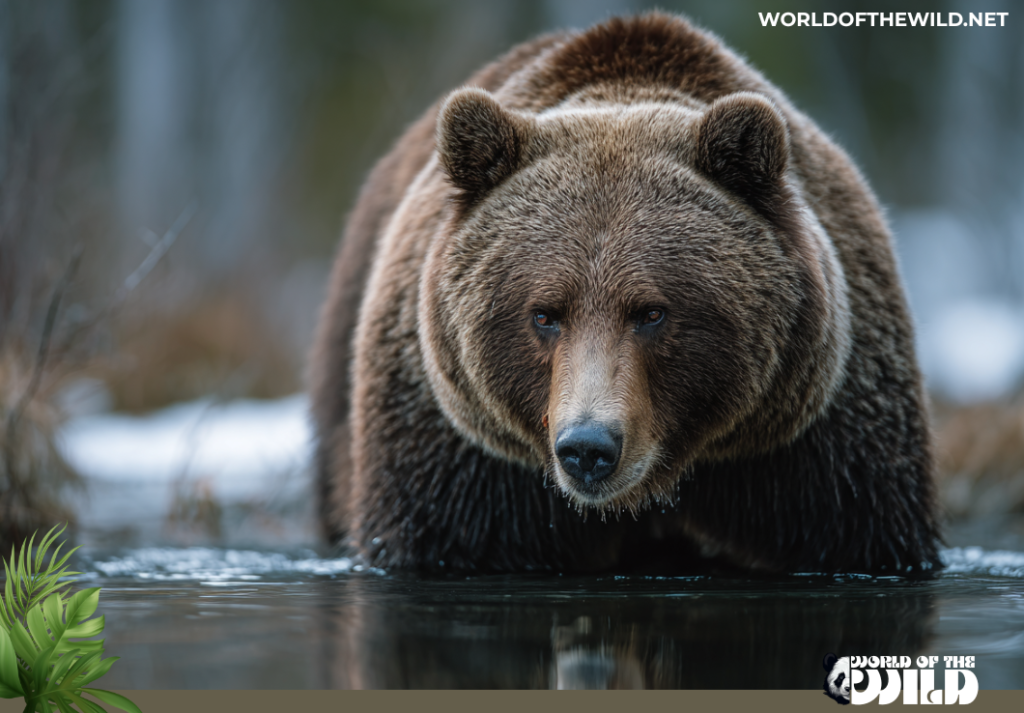
Grizzlies are habitat generalists, occupying diverse ecosystems that range from coastal rainforests and alpine meadows to boreal forests, prairie grasslands, and Arctic tundra. What unites these varied landscapes is the presence of key habitat features: adequate food sources, denning sites, and sufficient space with minimal human disturbance.
In the northern Rockies, grizzlies favor areas with a mosaic of forest types and open meadows. Spring finds them in low-elevation valleys and south-facing slopes where the first vegetation emerges and ungulate carcasses from winter mortality provide crucial protein. As summer progresses, they move to subalpine and alpine zones, following the phenology of plant growth and the emergence of insects. Autumn draws them to whitebark pine forests, where they feast on energy-rich pine nuts, and to streams teeming with spawning salmon in coastal areas.
Critical habitat components include areas with minimal human infrastructure, particularly roads. Studies consistently show that grizzly survival and reproduction decline as road density increases, primarily due to increased human-bear conflicts and mortality. Secure core areas—large roadless wilderness regions—serve as refugia where bears can live with minimal human disturbance.
Seasonal movements can be extensive. Individual grizzlies may travel 40 miles or more between seasonal ranges, moving from low-elevation spring habitats to high-elevation summer feeding areas and back to denning sites at mid to high elevations. These movements require habitat connectivity—corridors of suitable habitat that allow bears to travel safely between different parts of their range.
Diet
Grizzly bears are quintessential omnivores, possessing a digestive system inherited from carnivorous ancestors but adapted to process a remarkably diverse diet. While classified in the order Carnivora, grizzlies derive up to 90 percent of their annual caloric intake from vegetation in many interior populations, though this varies significantly based on geographic location and seasonal availability.
Spring diet focuses on high-protein foods necessary after months of hibernation. Emerging bears seek winter-killed ungulates—elk, deer, moose, and bison carcasses—that provide crucial calories and nutrients. They also prey on newborn elk and moose calves, using their powerful sense of smell to locate hidden offspring. During this period, grizzlies also excavate ground squirrels, marmots, and pocket gophers, using their muscular shoulder hump and long claws to dig several feet into hard-packed earth. Early sprouting vegetation, including grasses, sedges, horsetail, and spring beauty corms, rounds out the diet.
Summer brings an explosion of food availability. Grasses and forbs dominate intake in many areas, with bears grazing like cattle for hours. They also consume ants by the thousands, tearing apart logs and stumps to access these protein-rich insects. In some regions, grizzlies hunt actively, taking adult ungulates through predation, particularly in Yellowstone where elk provide significant prey. Moths congregating on alpine talus slopes offer another unusual but important food source—grizzlies in certain areas consume tens of thousands of army cutworm moths daily, each moth providing about half a gram of fat.
Late summer transitions to berry season, and grizzlies become almost exclusively frugivorous in many areas. Huckleberries, serviceberries, chokecherries, buffaloberries, and blueberries are consumed in enormous quantities, with bears eating continuously for up to 20 hours daily. A single bear can consume 200,000 berries in a day during peak season.
Autumn represents the critical hyperphagia period where bears frantically consume food to build fat reserves for hibernation. In many ecosystems, whitebark pine nuts become the premier food source. Clark’s nutcrackers cache these nuts throughout high-elevation forests, and grizzlies raid these caches, consuming up to 40,000 calories per day from pine nuts alone. In coastal areas, salmon runs provide unparalleled foraging opportunities. At productive streams, individual bears may consume 15 to 30 salmon daily, often eating only the most energy-rich parts—the brain, roe, and skin—while discarding the rest. This selective feeding, while appearing wasteful, actually benefits the ecosystem by distributing marine-derived nutrients throughout the forest.
Grizzlies employ various foraging strategies depending on the food type. They use their keen sense of smell to locate food from great distances, their powerful claws and jaws to access difficult-to-reach items, and their intelligence to remember productive locations and return annually. They’ve been observed using tools, modifying their environment to improve access to food, and teaching their cubs specialized foraging techniques.
Predators and Threats
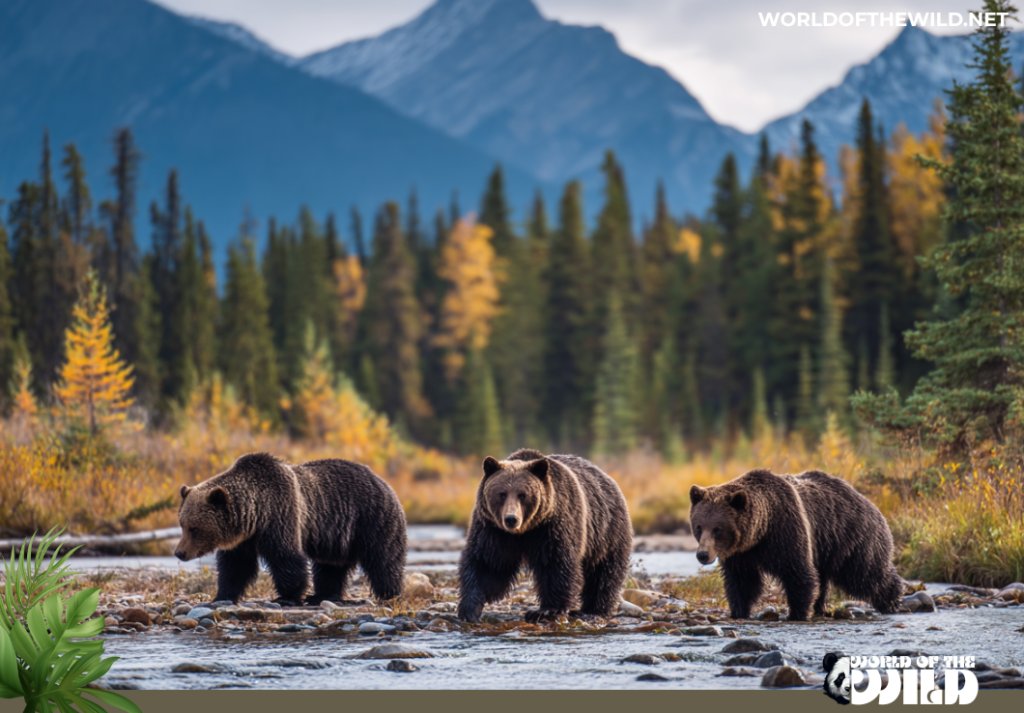
As apex predators, adult grizzly bears face few natural enemies. The primary threat to adult grizzlies comes from other grizzlies—particularly large males, which may kill cubs and occasionally subadult bears. Infanticide by males is a recognized reproductive strategy, as females will enter estrus sooner after losing cubs, allowing the male to father his own offspring. This behavior drives protective mother bears to be particularly aggressive and to avoid areas frequented by large males during the vulnerable cub-rearing period.
In rare instances, packs of wolves or groups of cougars may challenge grizzlies over carcasses, but predation is virtually nonexistent for healthy adults. Cubs and yearlings face greater risks from predators, including wolves, cougars, and, most significantly, adult male grizzlies.
The overwhelming threats to grizzly bear populations are anthropogenic. Habitat loss and fragmentation represent the primary long-term challenge. Agricultural development, urban expansion, energy development, and road construction have dramatically reduced available habitat and divided remaining populations into isolated fragments. This fragmentation prevents gene flow between populations, increases human-bear conflicts, and limits recovery potential.
Direct human-caused mortality remains the leading cause of grizzly deaths in most regions. Sources include legal hunting (where permitted), defense of life or property killings, poaching, vehicle strikes, and management removals of habituated or food-conditioned bears. Studies consistently show that most grizzly populations cannot sustain mortality rates exceeding 4 to 6 percent of the total population annually, making even seemingly small numbers of deaths significant.
Human-bear conflicts intensify as human development encroaches into bear habitat. Bears attracted to anthropogenic food sources—garbage, livestock carcasses, bird feeders, pet food, and agricultural crops—often become habituated and food-conditioned. These bears lose their natural wariness of humans and seek out human-provided foods, leading to property damage, livestock depredation, and occasionally dangerous encounters. Once food-conditioned, bears rarely return to natural foraging patterns, and most must be removed or euthanized, contributing to population decline.
Climate change presents emerging and complex threats. Warming temperatures affect key food sources differently—whitebark pine faces increased mortality from mountain pine beetles (whose range has expanded due to warmer winters), while some berry species may benefit from longer growing seasons. Changing precipitation patterns affect salmon runs, drought impacts plant productivity, and earlier snowmelt may create temporal mismatches between bear emergence and food availability. Grizzlies must adapt to these changing conditions or face population declines.
Livestock depredation creates ongoing conflict between bears and ranchers, particularly in areas where grizzly habitat overlaps with grazing allotments. While actual livestock losses to grizzlies are typically small relative to other mortality sources, the economic and psychological impacts on ranchers are significant and drive negative attitudes toward bear conservation. This conflict requires ongoing management through preventive measures, compensation programs, and conflict resolution strategies.
Disease and genetics also pose concerns. Small, isolated grizzly populations face risks of inbreeding depression, potentially reducing fitness and adaptive capacity. Though less studied than in some species, diseases such as canine distemper and environmental contaminants may affect individual health and population viability, particularly in already stressed populations.
Reproduction and Life Cycle
Grizzly bear reproduction is characterized by slow rates and high maternal investment—a life history strategy that makes populations vulnerable to elevated mortality and slow to recover from declines. Sexual maturity arrives late for both sexes, with females first breeding at 4 to 8 years old and males typically not successfully breeding until 8 to 10 years old due to competition from larger, older males.
The breeding season, or rut, occurs from May through July, with peak activity in June. During this period, the typically solitary bears seek each other out. Males travel extensively, sometimes covering hundreds of miles in search of receptive females. They locate females through scent, following pheromone trails left in urine, scat, and footprints. Competition between males can be fierce, with larger, dominant males securing most breeding opportunities. Fights between rival males occasionally result in serious injury or death.
Courtship involves a period of association lasting from several days to two weeks. Males and females travel, forage, and rest together, engaging in playful interactions and frequent copulation. Males employ mate-guarding, staying close to females to prevent other males from breeding with them.
Following mating, grizzly bears exhibit delayed implantation, a remarkable reproductive adaptation. The fertilized egg develops into a blastocyst but doesn’t implant in the uterine wall until the female enters her den in autumn, typically November. This delay allows the female to assess her physical condition—if she hasn’t accumulated sufficient fat reserves, the embryo may not implant, and pregnancy terminates naturally. This mechanism prevents females from bearing cubs they cannot adequately nourish.
If conditions are favorable and implantation occurs, the actual gestation is brief—just 6 to 8 weeks. Cubs are born in January or February while the mother is hibernating, weighing only 1 pound—among the smallest newborns relative to adult size of any placental mammal. Litter sizes range from 1 to 4 cubs, with 2 being most common. The cubs are born blind, hairless, and completely helpless.
The mother nurses her cubs while continuing to hibernate, producing extremely rich milk (20 to 30 percent fat content) that allows rapid growth. By the time the family emerges from the den in spring, cubs weigh 5 to 10 pounds and are covered in thick fur, though they remain entirely dependent on their mother.
Maternal care is intensive and extended. Cubs remain with their mothers for 2.5 to 4 years, learning essential survival skills including foraging techniques, den site selection, predator avoidance, and social behaviors. During this time, the mother is fiercely protective, willing to defend cubs against any threat, including larger male bears and humans. This protectiveness makes female grizzlies with cubs the most dangerous bears to encounter.
Females do not breed again until their current offspring are independent, resulting in reproductive intervals of 3 to 5 years—among the longest of any terrestrial mammal. A female might successfully raise only 5 to 8 litters during her lifetime, producing perhaps 10 to 20 cubs that reach independence. Of these, only a fraction survive to adulthood and successfully reproduce.
Mortality is highest during the first year of life, with 20 to 50 percent of cubs dying before their first birthday due to starvation, predation by male bears, accidents, or abandonment if the mother dies. Subadult mortality remains elevated as young bears strike out on their own, facing competition from established adults, difficulty finding adequate food, and increased human-related mortality.
Grizzlies that survive to adulthood enjoy considerable longevity. Wild bears typically live 20 to 25 years, though individuals have been documented reaching 30 to 34 years. Captive grizzlies may live even longer, occasionally exceeding 40 years. Throughout their lives, grizzlies continue growing, with males in particular adding mass until 10 to 12 years old.
This slow, “bet-hedging” reproductive strategy evolved in environments where food resources varied dramatically year to year but where adult survival was historically high. Adult grizzlies invest heavily in their own survival and carefully time reproduction to maximize cub survival. This strategy served grizzlies well for millennia but makes modern populations especially sensitive to increased adult mortality from human causes.
Population
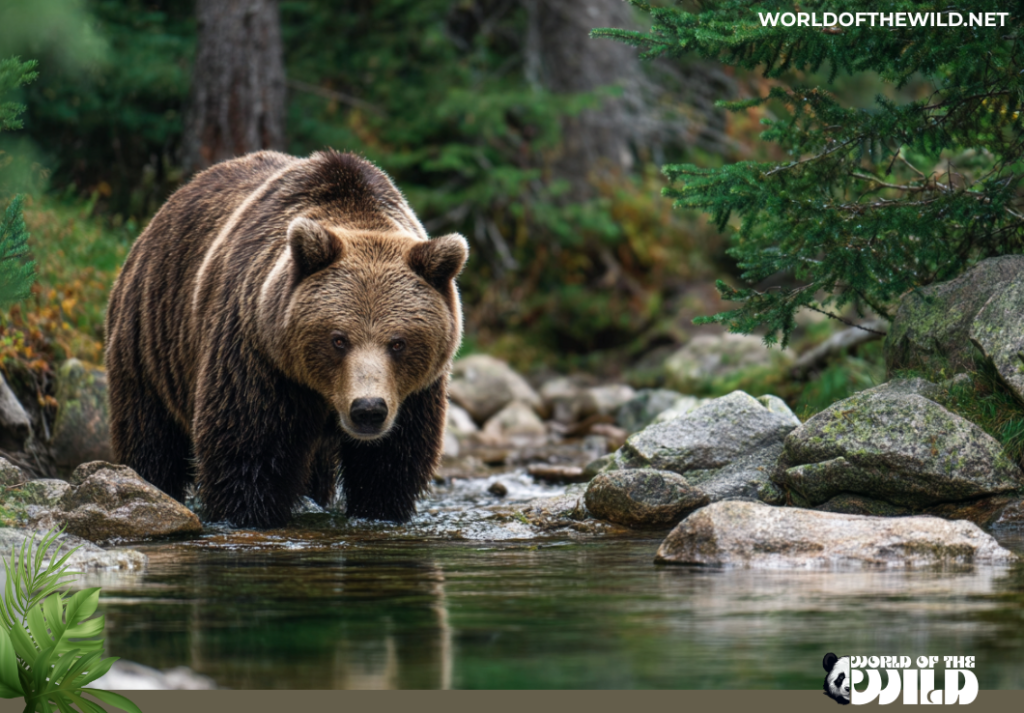
The conservation status of grizzly bears varies significantly by region, reflecting the species’ complex population structure and differential management across its range. Globally, the brown bear species (Ursus arctos) is classified as Least Concern by the International Union for Conservation of Nature (IUCN), with an estimated worldwide population of approximately 200,000 individuals. However, this broad classification masks critical regional variations, and North American grizzly populations specifically face more precarious circumstances.
In the contiguous United States, grizzly bears are listed as Threatened under the Endangered Species Act, a status they’ve held since 1975. This listing reflects the dramatic population decline that occurred during European colonization and westward expansion. Historical estimates suggest 50,000 to 100,000 grizzlies inhabited the lower 48 states before settlement. By the time of ESA listing, fewer than 1,000 remained in isolated populations.
Recovery efforts have achieved measurable success in some areas. The Greater Yellowstone Ecosystem population has grown from an estimated 136 bears in 1975 to approximately 1,000 to 1,200 individuals today, though population estimates involve considerable uncertainty. This recovery prompted multiple delisting proposals, though these remain legally contested. The Northern Continental Divide Ecosystem in Montana supports an estimated 1,000 to 1,100 grizzlies, representing another recovery success story.
Smaller populations persist in other recovery zones. The Cabinet-Yaak Ecosystem harbors roughly 50 to 60 bears, making it critically vulnerable to stochastic events and genetic isolation. The Selkirk Mountains support approximately 80 to 90 bears, while the North Cascades Ecosystem contains fewer than 10 bears and may be functionally extinct without active reintroduction efforts.
Alaska maintains robust grizzly bear populations, with an estimated 30,000 individuals distributed across suitable habitat throughout the state. These populations remain relatively stable, benefiting from vast wilderness areas and active management that includes regulated hunting seasons.
Canadian grizzly populations vary by province and territory. British Columbia supports an estimated 15,000 bears, though a 2017 ban on trophy hunting reflected public concern over population sustainability and ethics. Alberta’s population is estimated at 750 to 1,000 bears, concentrated in the Rocky Mountain region. Yukon and the Northwest Territories maintain healthy populations totaling several thousand individuals, benefiting from low human density and extensive wilderness.
Population trends show encouraging recovery in some areas but continued concern in others. Several factors limit recovery potential: habitat continues to be developed or degraded, human-caused mortality remains problematic in many areas, genetic isolation threatens small populations, and climate change creates emerging challenges. Connectivity between isolated populations remains limited, preventing gene flow and natural recolonization of suitable habitat.
Significant debate surrounds population goals and recovery criteria. Wildlife managers and conservation biologists sometimes disagree on sustainable population levels, acceptable mortality rates, and the definition of “recovered” populations. These discussions are complicated by the grizzly’s large space requirements, conflicts with human activities, and the long time frames required for population change given the species’ slow reproductive rate.
Despite challenges, the grizzly bear represents one of conservation’s notable success stories, demonstrating that large carnivores can recover when protected and managed effectively. Continued population monitoring, habitat protection, and proactive conflict reduction will determine whether recovery continues or stalls in coming decades.
Conclusion
The grizzly bear stands as both an icon of wild North America and a barometer of our commitment to coexistence with nature. From their evolutionary journey across the Bering land bridge to their current status as conservation-dependent populations clinging to the remnants of once-vast wilderness, grizzlies embody the complex relationship between humans and apex predators. These magnificent animals are far more than the fearsome predators of frontier mythology—they are intelligent omnivores, devoted parents, ecosystem engineers, and, ultimately, survivors adapting to a rapidly changing world.
The challenges facing grizzly bears reflect broader conservation dilemmas: How do we balance human activities with wildlife needs? Can isolated populations persist in an increasingly fragmented landscape? Will we maintain sufficient wilderness to support species that require vast territories? The answers to these questions will shape not only the grizzly’s future but the future of wild places themselves.
Yet there is hope. Grizzly recovery in ecosystems like Greater Yellowstone and the Northern Continental Divide demonstrates that with adequate protection, habitat, and management, these bears can recover. Continued success requires sustained commitment to habitat conservation, innovative approaches to reducing human-bear conflict, and most critically, a societal willingness to share the landscape with powerful predators. The grizzly’s survival is not merely a wildlife management challenge but a reflection of our values and our vision for what wild nature can and should be in the modern world. In protecting the grizzly, we protect not just a species but the wild character of North America itself.
Scientific Name: Ursus arctos horribilis
Diet Type: Omnivore
Size: 3.5-4 feet at shoulder; 6-8 feet standing upright
Weight: Males 400-790 lbs (up to 1,000+ lbs); Females 290-400 lbs
Region Found: Alaska, western Canada (British Columbia, Alberta, Yukon, Northwest Territories), northwestern United States (Montana, Wyoming, Idaho, Washington)