
📍 12400 SW 152nd St, Miami, FL | 🌡️ Open Year-Round
Overview
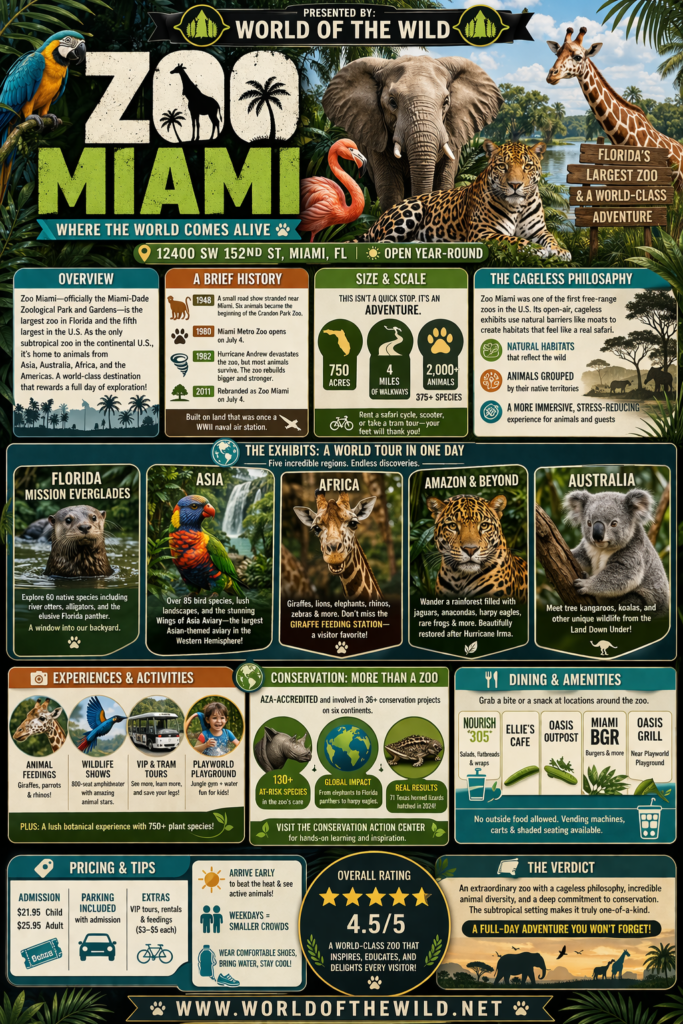
Zoo Miami — officially the Miami-Dade Zoological Park and Gardens — is the largest zoo in Florida and the fifth largest in the United States. But what truly sets it apart from any other major zoo in the country isn’t just its size. As the only subtropical zoo in the continental U.S., Zoo Miami’s unique South Florida climate allows it to care for a wide variety of animals from Asia, Australia, Africa, and the Americas, representing a mix of species unlike any other zoo in the country. For those living in or visiting the Miami area, this is not just a zoo — it’s a genuine world-class institution, one that rewards an entire day of exploration.
A Brief History
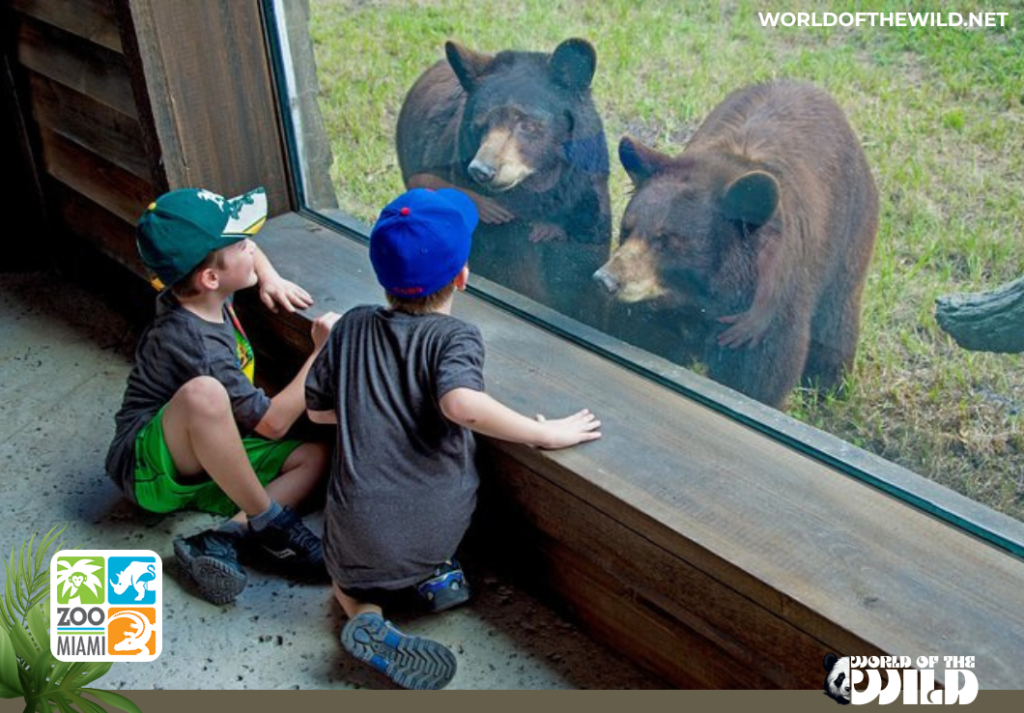
Zoo Miami’s origins are as colorful as its animal collection. The history of Zoo Miami can be traced back to 1948, when a small road show stranded near Miami exchanged three monkeys, a goat, and two black bears for approximately $270 in repairs. These six animals became the beginning of the Crandon Park Zoo at Crandon Park on the island of Key Biscayne. The first animals also included lions, an elephant, and a rhinoceros that had been stranded when a circus went out of business in Miami.
On July 4, 1980, the Miami Metro Zoo opened its doors. Then Hurricane Andrew struck in 1982, harder than Hurricane Betsy had before it. The zoo lost many exhibits and buildings, but luckily most of the animals survived — only about 20 out of 1,200 did not make it. After Andrew, the zoo was rebuilt bigger and stronger. Many years later, on July 4, 2011, Miami Metro Zoo was officially rebranded as Zoo Miami.
Zoo Miami is also built on land that was once a World War II naval air station, adding a fascinating layer of history to its sprawling grounds.
Size & Scale: Prepare Your Feet
Let’s get one thing out of the way immediately: Zoo Miami today occupies almost 750 acres, features 4 miles of walkways, and is home to more than 2,000 animals representing over 375 different species. This is not a zoo you can casually stroll through in an hour. Visitors consistently remark on the sheer scope of the place, and many recommend renting a safari cycle, scooter, or opting for a tram tour. On a hot South Florida afternoon, that advice becomes essential — dehydration and fatigue are real risks if you underestimate the distance.
The Exhibits: A World Tour in One Day
Zoo Miami is organized into five major geographic sections, each thoughtfully designed to reflect the native habitats of its resident animals.
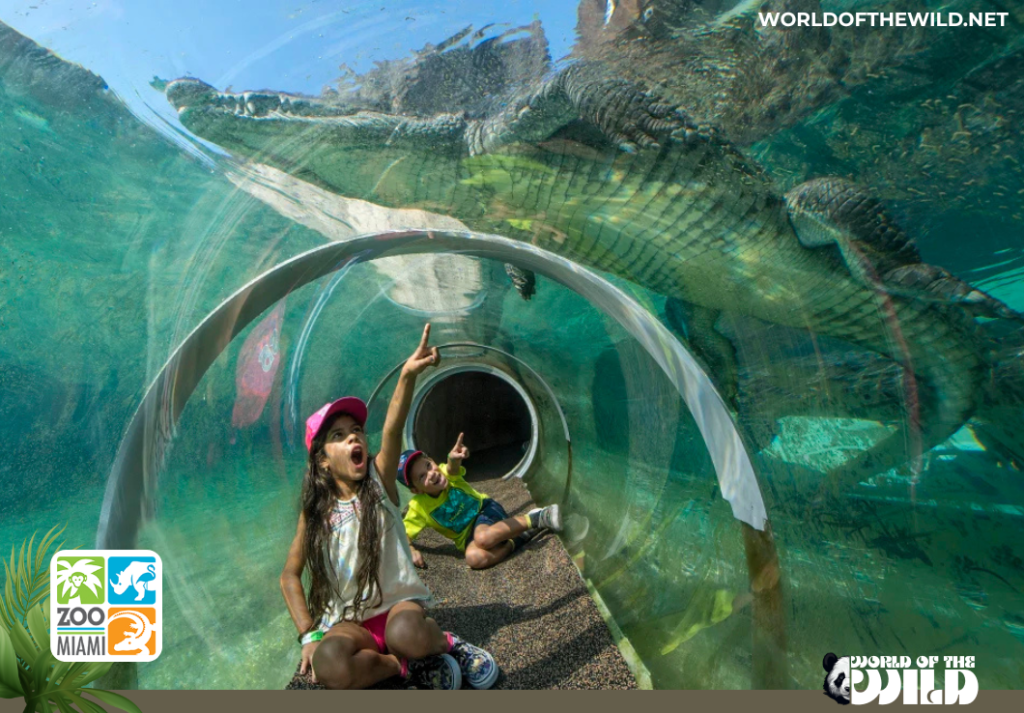
Florida: Mission Everglades — This immersive exhibit introduces visitors to 60 species of wildlife native to the Everglades, where you can watch river otters splash and play, spot stealthy alligators, and meet the Florida panther in naturalistic habitats. For locals especially, this exhibit carries a particular resonance, offering a window into the ecological treasure in South Florida’s own backyard.
Asia — Home to over 85 species of birds, this tropical paradise features colorful parrots and graceful cranes flying freely overhead, where the soothing sounds of waterfalls and lush greenery transport you to Asia’s rainforests. The standout attraction here is the Wings of Asia Aviary, the largest Asian-themed aviary in the Western Hemisphere, where hundreds of free-flying birds soar. It’s a genuinely breathtaking experience to walk through.
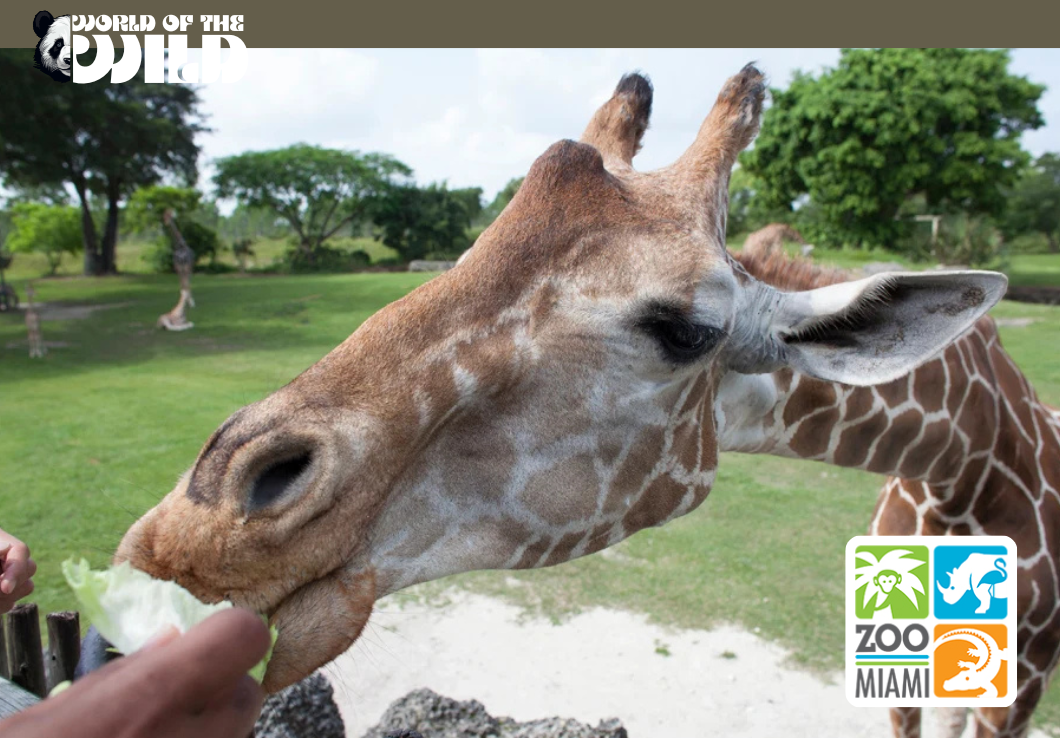
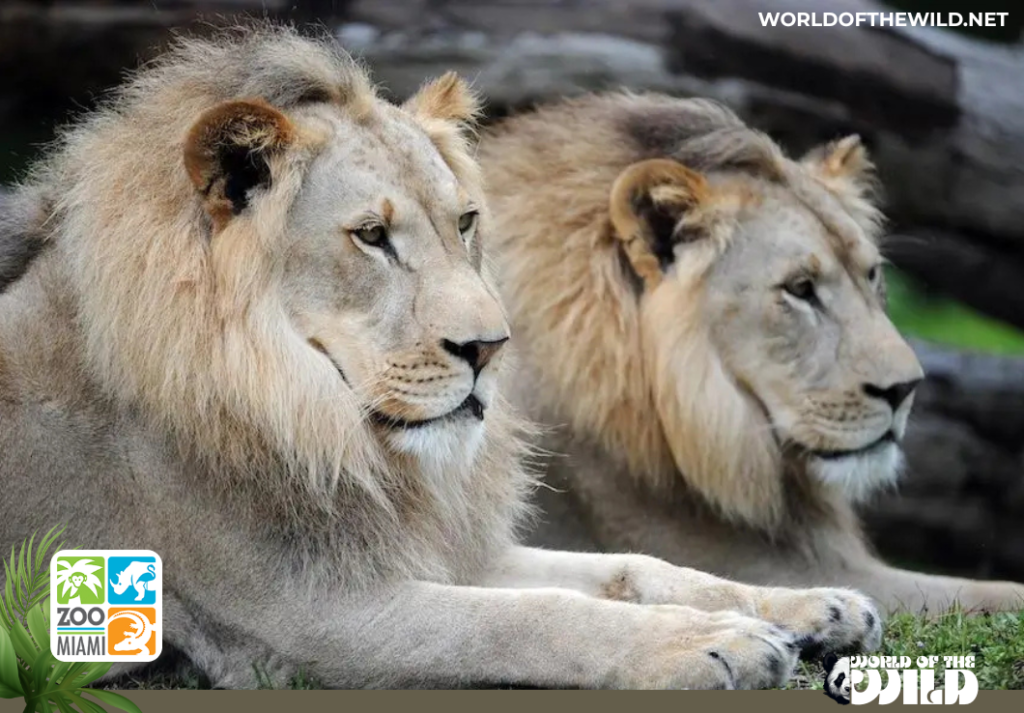
Africa — Home to giraffes, lions, elephants, rhinos, and zebras, the Africa section is one of the most popular in the zoo. The giraffe feeding station here is consistently cited as a visitor highlight. Visitors from around the world rave about the up-close experience of feeding the giraffes — a genuinely magical moment, especially for first-timers.
Amazon and Beyond — In the Amazon and Beyond exhibit, visitors wander through a lush rainforest filled with jaguars, anacondas, venomous snakes safely behind glass, rare frogs, and harpy eagles. The exhibit suffered significant damage during Hurricane Irma in 2017 but has since been lovingly restored.
Australia — Tree kangaroos, koalas, and other exotic Antipodean residents make this section a favorite, especially for visitors who rarely get the chance to see Australian wildlife outside of their home continent.
The Cageless Philosophy
One of Zoo Miami’s most defining and admirable characteristics is its commitment to cage-free, open-air exhibits. Zoo Miami was one of the first free-range zoos in the United States. Its exhibits are entirely cageless, made possible by skillfully formed moats around each exhibit that closely approximate the animals’ natural habitats, giving visitors the feeling of embarking on an international safari.
The place is beautifully maintained with spacious, natural habitats for the animals, making it feel like a true wildlife adventure. This is not window dressing — the zoo’s commitment to naturalistic environments is genuine and observable. Animals are grouped according to their geographic territories, with species that live together peacefully in the wild placed in exhibits together, and trees, foliage, and even soil are matched as closely as possible to the native habitats of each animal.
That said, a minority of visitors have noted that some animals — particularly certain carnivores and solitary animals — can show signs of stress or repetitive behavior, a challenge that no zoo, however well-intentioned, has fully solved. It is worth acknowledging that the debate around captive animal welfare is ongoing, even at the finest institutions.
Conservation: More Than a Zoo
Zoo Miami takes its conservation mission seriously, and it shows. The zoo is accredited by the Association of Zoos and Aquariums (AZA), meaning it has passed a rigorous application and inspection process and meets or exceeds AZA standards for animal health and welfare, fundraising, zoo staffing, and involvement in global conservation efforts. Zoo Miami is currently involved in over 36 projects taking place on six continents.
More than 130 of the species in the zoo’s collection are at risk in the wild, many classified as endangered or critically endangered. Among the zoo’s recent conservation achievements, they successfully hatched 71 Texas horned lizards in 2024, a threatened species being reintroduced into the wild.
The zoo’s conservation work spans the globe, from supporting the International Elephant Foundation, to protecting Florida panthers, to collaborative research on harpy eagles in Central and South America. The Conservation Action Center — an indoor interactive pavilion — brings this mission directly to visitors, making conservation education engaging and accessible for all ages.
Experiences & Activities
Beyond simply viewing animals, Zoo Miami offers a rich slate of interactive experiences:
Animal Feedings — Visitors can feed giraffes in the Africa exhibit, parrots in the Australia exhibit, and rhinos in the Asia exhibit. These up-close encounters are consistently rated among the most memorable moments a visit can offer. Animal feeding stations generally carry a small additional fee of $3–$5.
Wildlife Shows — The 800-seat Sami Family Amphitheater hosts wildlife shows where you might see anything from parrots to cheetahs.
VIP & Tram Tours — The VIP Tour, while slightly pricey, is highly worth it for those with limited time. A golf cart ride saves your legs and gets you to more animals faster than walking, while a knowledgeable guide provides rich context and exclusive access.
Playworld Playground — For younger visitors, Playworld Playground offers a fun mix of jungle gym and water park, perfect for burning off energy.
Botanical Experience — Often overlooked, the zoo houses more than 750 species of trees, palms, and other plants. The landscaping is gorgeous, with shaded walking paths that make the experience noticeably more comfortable on warm days.
Dining & Amenities
There are vending machines, portable food and beverage carts, and restaurants throughout Zoo Miami. Options include Nourish 305 for custom salads, flatbreads, and wraps, Ellie’s Cafe, the Oasis Outpost, Miami BGR for burgers, and the Oasis Grill near the Playworld Playground. Note that no outside food is permitted into the park, so plan accordingly. Food quality and pricing are the most common complaints from visitors — standard zoo fare at elevated prices. The upgraded lunch basket combo, available through some ticketing packages, offers better value.
Pricing & Practical Tips
Basic admission ranges from $21.95 for children to $25.95 for adults. VIP tours and stroller or cycle rentals cost extra. Parking is included with admission, which is a welcome bonus. Given the size of the zoo, arriving early is strongly advised — both to beat the heat and to see the most active animals during the cooler morning hours. Weekday visits tend to be considerably less crowded than weekends.
As of January 1, 2026, Zoo Miami is a fully smoke-free park.
The Verdict
Zoo Miami is a genuinely exceptional institution — one of the finest zoos in the southeastern United States. Its cageless philosophy, extraordinary botanical setting, impressive animal diversity, and deep commitment to global conservation make it far more than a casual tourist attraction. It is a full-day adventure that educates, inspires, and entertains visitors of all ages. The subtropical setting lends the entire experience an exotic, immersive quality that no other zoo in the continental U.S. can replicate.
The main caveats are practical: come prepared for the heat, wear comfortable shoes, budget more time than you think you need, and consider renting a cycle or booking a tram tour if mobility is a concern. The dining options could be better, but they are sufficient.
Overall Rating: ⭐⭐⭐⭐½ (4.5/5)
For anyone in South Florida or visiting Miami, Zoo Miami is an absolute must. It’s a world-class destination that punches well above the weight of typical city zoos — and a reminder that some of the planet’s most remarkable wildlife is just a short drive from the beach.