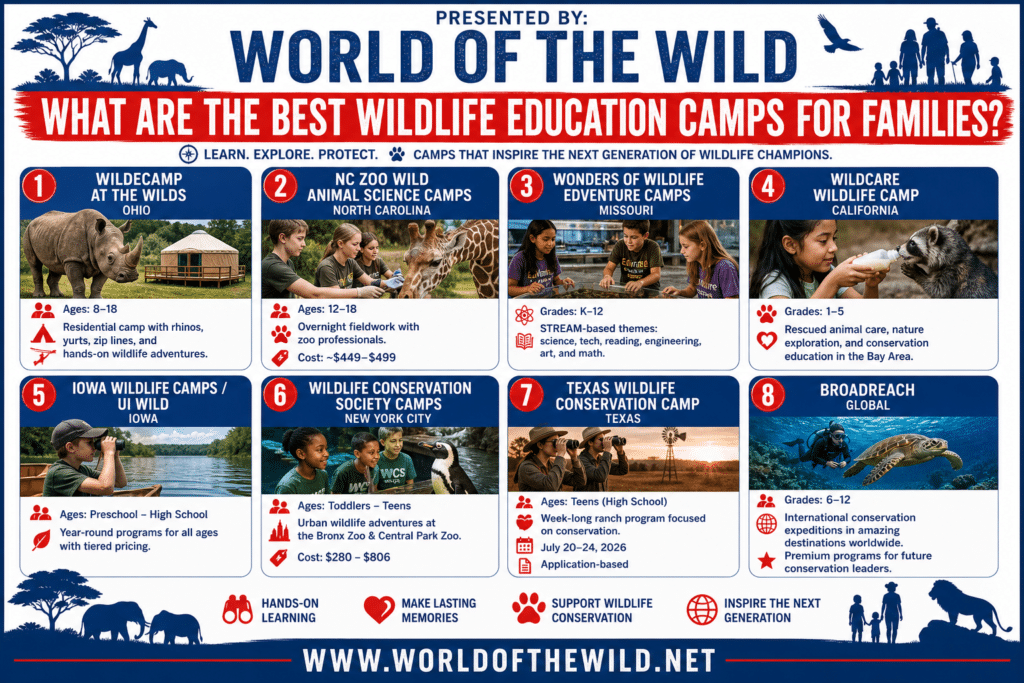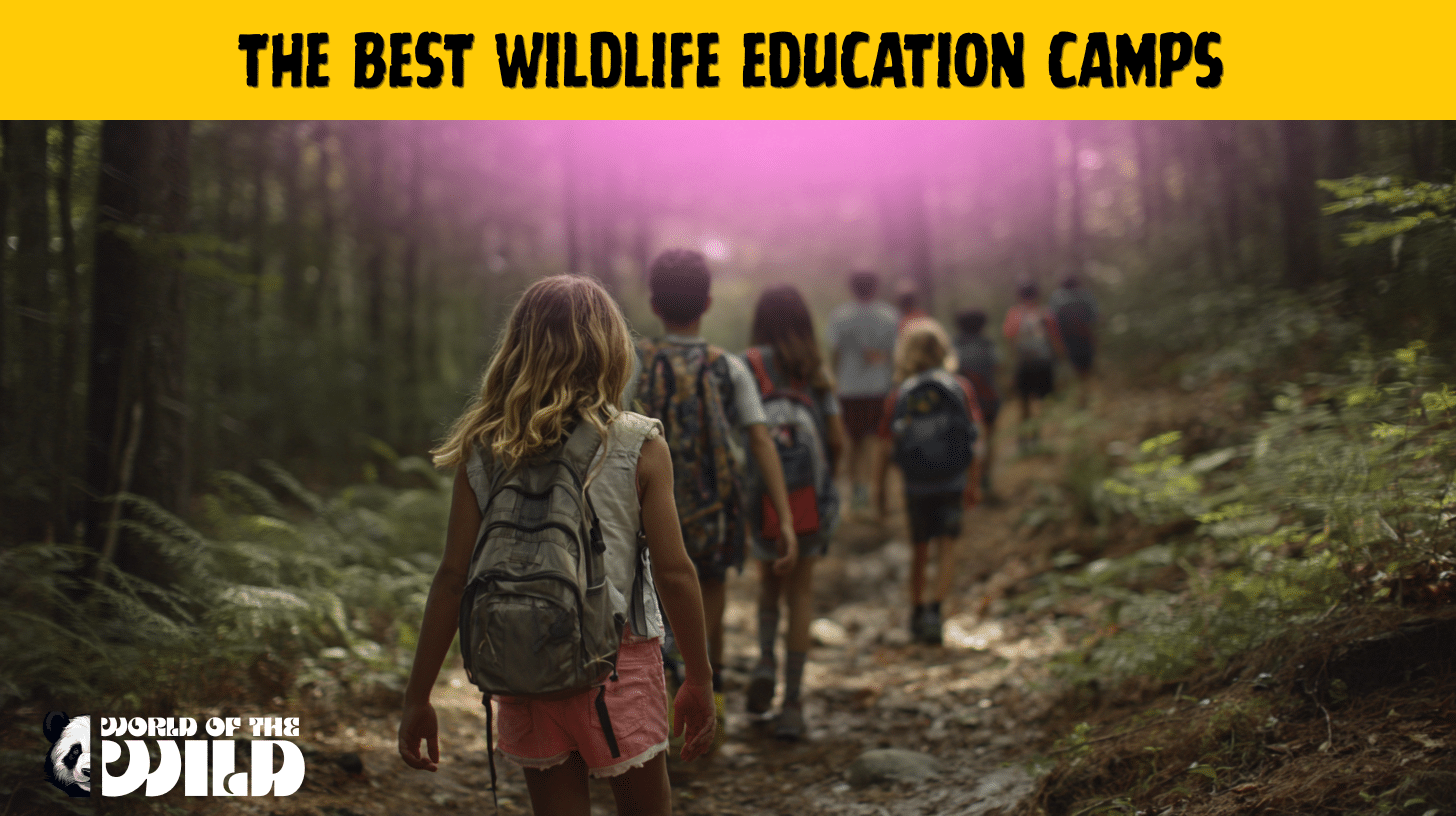

For families who want to give their children a summer experience that goes beyond screen time and ordinary recreation, wildlife education camps offer something truly special: hands-on encounters with animals, conservation science, and the natural world. Whether your child dreams of becoming the next Jane Goodall or simply loves spending time outdoors, there’s a camp on this list for them. Here’s a rundown of some of the best wildlife education camps across the United States — and beyond. If you’re wondering, What Are the Best Wildlife Education Camps for Families?, here are some top choices.

1. WildeCamp at The Wilds — Cumberland, Ohio
Best for: Kids aged 8–18 who want a residential wildlife adventure When: Summer (approximately 10 weeks, June through August); registration for 2026 is now open Pricing: Contact education@thewilds.org for current rates; need-based “Learning is Wild” scholarships are available Contact: education@thewilds.org | 14000 International Road, Cumberland, OH 43732 | thewilds.org/wildecamp
Located in the rolling hills of southeastern Ohio, WildeCamp at The Wilds is one of the most immersive wildlife overnight camps in the country. Part of the Columbus Zoo and Aquarium family, The Wilds is a massive conservation center home to rare and endangered species from around the world. Campers sleep in climate-controlled yurts and spend their days canoeing, practicing archery, ziplining through the Pinewood Forest, building wilderness shelters, and interacting with the facility’s extraordinary animals — including rhinos. Older campers may even spend a night at “The Outpost,” falling asleep as pasture animals graze nearby. In summer 2025, more than 300 youth participated in WildeCamp’s 10-week program, a testament to its enduring popularity.
Camp options range from shorter three- to four-night “Safari Squad” sessions ideal for first-timers, to full week-long programs that combine conservation education with adventure activities. The camp’s curriculum emphasizes environmental stewardship, and every activity is designed to spark curiosity and inspire a lifelong love of wildlife. For families who need financial assistance, the “Learning is Wild” scholarship program ensures that access to this unique experience isn’t limited by income.
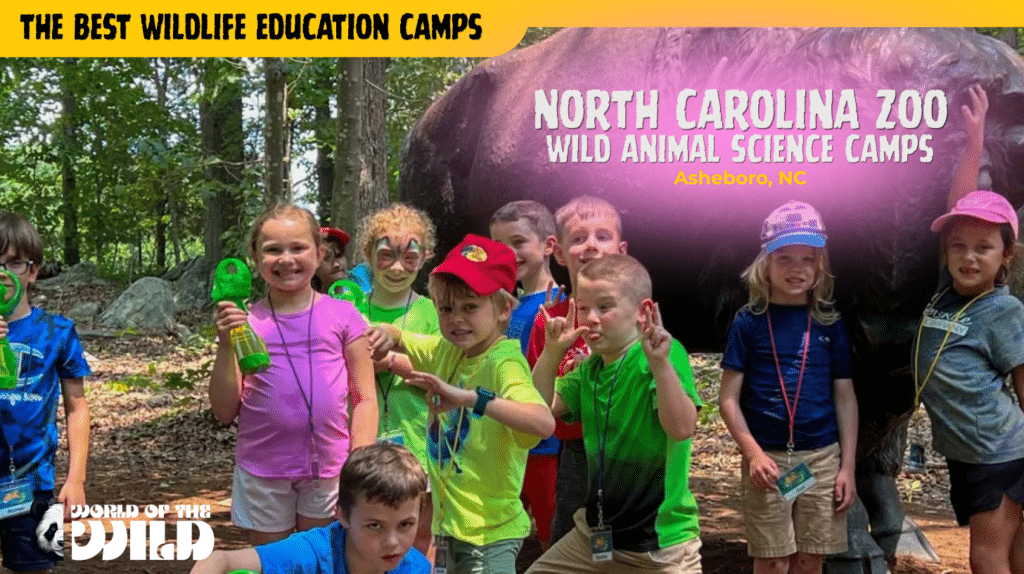
2. North Carolina Zoo Wild Animal Science Camps — Asheboro, North Carolina
Best for: Aspiring young scientists, ages 12–18 (Junior and Senior camp tracks) When: Spring and summer sessions; overnight weekend camps typically held May and August Pricing: $449 for Zoo Society members / $499 for non-members (fees cover food, lodging, and supplies); full scholarship support available for qualifying students Contact: sciencecamp@nczoo.org | 336-879-7715 | nczoo.org/education/camps/wild-animal-science-camps
For kids who want to experience what it’s actually like to be a field biologist, the North Carolina Zoo’s Wild Animal Science Camps are unmatched. These weekend overnight camps — limited to just 16 campers per session — give participants exclusive supervised access to more than 500 acres of zoo wildlands, both day and night. Campers work directly alongside the zoo’s field biologists, animal behaviorists, and wildlife conservationists, practicing real research techniques including data collection, behavioral observation, and state-of-the-art conservation methods.
The overnight experience is extraordinary: campers sleep in zoo-provided tents and are likely to fall asleep to the distant roar of lions or the chatter of chimpanzees. The zoo offers Junior Camps for rising 6th–8th graders and Senior Camps for rising 9th graders through first-year undergraduates, with each track tailored to the age group’s learning level. The North Carolina Zoo also offers day camps year-round for younger children (grades K–8), making it a rich resource for families across all age groups throughout the year.
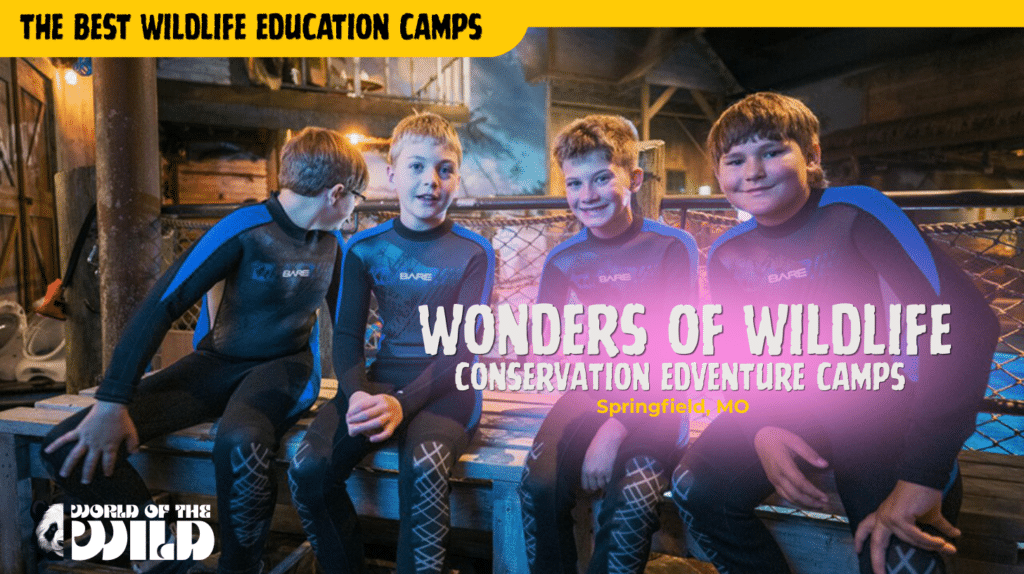
3. Wonders of Wildlife Conservation EdVenture Camps — Springfield, Missouri
Best for: Children entering Kindergarten through 12th grade When: Summer (weekly sessions); check wondersofwildlife.org for specific dates Pricing: Standard weekly camp rates apply; 10% discount when booking 3+ camps; financial scholarships available for under-resourced families Contact: wondersofwildlife.org/education/camps/
Attached to the award-winning Wonders of Wildlife National Museum and Aquarium in Springfield, Missouri, these camps offer a STREAM-based curriculum (Science, Technology, Recreation, Engineering, Art, and Math) designed to develop the next generation of scientists, conservationists, and naturalists. Each week-long session features a different theme, giving children the option to attend multiple weeks and dive into a wide variety of topics — from fishing and hunting skills to biology, chemistry, earth science, and survival techniques.
Campers interact with live animals, conduct in-depth experiments, and create art inspired by the natural world, all with expert educators guiding the experience in a safe and positive environment. Grade-specific programs ensure that content is age-appropriate and engaging, whether your child is entering kindergarten or heading into high school. The proximity to one of America’s top wildlife attractions means that campers regularly move through the museum’s remarkable exhibits as part of their daily experience. For families with financial constraints, the Wonders of Wildlife Financial Scholarship program helps ensure that no child is left out.

4. WildCare Wildlife Camp — San Rafael, California (Bay Area)
Best for: Children entering grades 1–5, with themed weekly sessions When: Summer sessions beginning in late June through July 2026 (e.g., June 22–26, June 29–July 3, July 6–10, and more); winter camp also available Pricing: Scholarships available; registration fees vary by session — contact for current pricing Contact: education@discoverwildcare.org | 415-453-1000 ext. 190 | discoverwildcare.org/educational-programs/wildlife-camp/
WildCare is a Bay Area wildlife hospital and nature education center that has turned its passion for rescued animals into one of the region’s most beloved summer camp programs. Each week-long session carries a distinct theme — such as “Wild Senses,” “Nature Navigators,” and “Science of Survival” — that structures the campers’ exploration and learning. Children enjoy live animal visits from WildCare’s rescued wildlife ambassadors, nature excursions, animal-themed games, and hands-on conservation crafts throughout the week.
What sets WildCare apart is the real-world conservation context: campers learn about wildlife that has been injured, rehabilitated, and cared for at an active wildlife hospital, giving the experience meaningful stakes and a genuine sense of purpose. The program fosters conservation values and ecological knowledge in a fun, engaging atmosphere designed to instill respect for the environment. Registration for summer 2026 opened in December 2025, and sessions tend to fill quickly. Spanish-language registration is also available. Scholarship applications are offered annually for families in need.
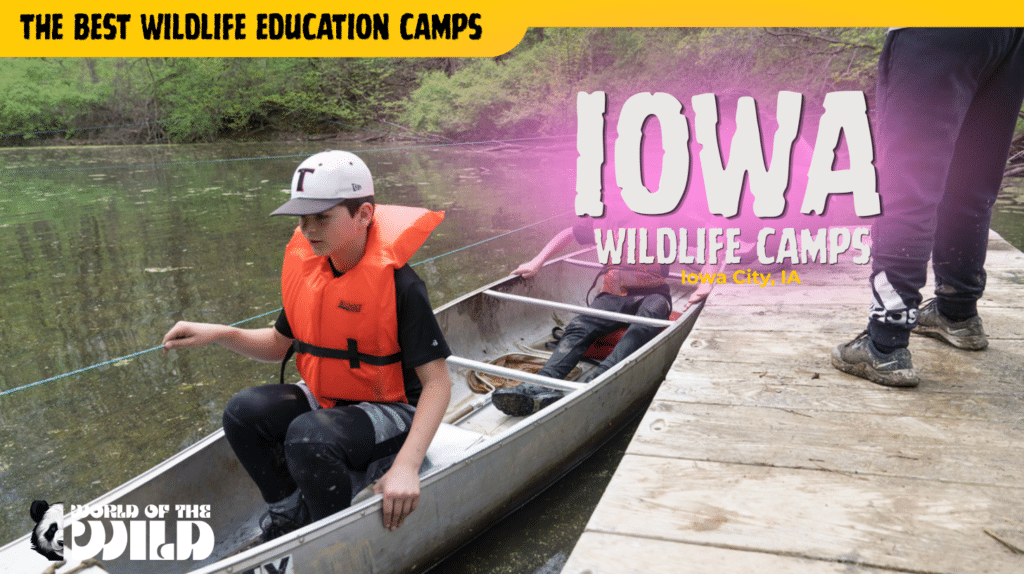
5. Iowa Wildlife Camps (UI WILD) — Iowa City, Iowa
Best for: Children and teens from preschool through high school; tiered pricing makes it accessible to all income levels When: Year-round; spring break, summer (June–August), and winter sessions; Peregrine expedition camps available for high schoolers Pricing: Tiered system — families select the price tier that best fits their financial situation; payment plans available; visit wild.education.uiowa.edu for details Contact: coe-IWC@uiowa.edu | wild.education.uiowa.edu/iowa-wildlife-camps
Run by the University of Iowa’s College of Education, Iowa Wildlife Camps (part of the UI WILD program) offer one of the most progressive and accessible wildlife education programs in the Midwest. Programs are based primarily at Macbride Nature Recreation Area near Iowa City and are built around genuine outdoor exploration: catching critters with nets, fishing from the dock, tracking animals, kayaking on Lake Macbride, foraging edible plants, and constructing bird nests from natural materials. The tiered pricing model, which allows families to self-select the price that fits their budget, sets this program apart as a model of inclusion.
Camp tracks are organized by age and experience level, from the introductory “Beak Brigade” half-day program for youngest naturalists, through the “Harrier,” “Falcon,” and “Kestrel” levels, up to the “Peregrine” capstone expedition program for high schoolers. Peregrine campers travel across Iowa on multi-day trips, hiking up to five miles per day while developing real conservation thinking skills. The program also runs through school breaks, making wildlife learning available well beyond the summer months.
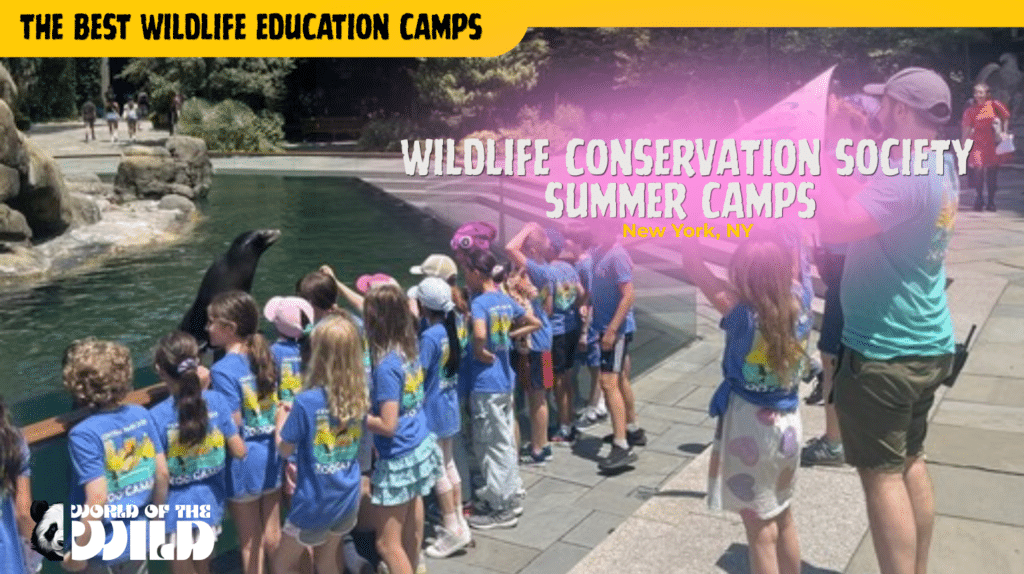
6. Wildlife Conservation Society Summer Camps — New York City (Central Park Zoo & Bronx Zoo)
Best for: Urban families with children from toddlers through teens When: Summer (June through late August), Monday–Friday, 9 AM–3 PM Pricing: $280–$725 for members; $312–$806 for non-members depending on session length and age group; WCS membership pricing available Contact: bzeducation@wcs.org | centralparkzoo.com/learn/children-and-family-programs/summer-camp
For families in the New York City area, the Wildlife Conservation Society offers summer camp programs at its network of city zoos — including the Central Park Zoo and the Bronx Zoo — that bring top-notch wildlife education to an urban setting. Programs span all age groups, from a 1-hour toddler mini-camp (“Zoo Fledglings”) for young children and their caregivers, to full-week programs for elementary-age campers, to career-track exploration for older students. Campers meet animals up-close, take on nature-based challenges, conduct scientific investigations, and learn about wildlife and ecosystems from around the world.
Each themed week introduces new concepts — one week might center on extreme animal habitats, another on wildlife detective skills — keeping the content fresh and engaging across multiple sessions. WCS members enjoy discounted pricing, making the program especially worthwhile for families who visit the zoo frequently throughout the year. Camps run five days per week and sessions fill quickly, so early registration is strongly encouraged. The program represents a rare opportunity for city-based families to give their children genuine wildlife immersion without leaving the five boroughs.
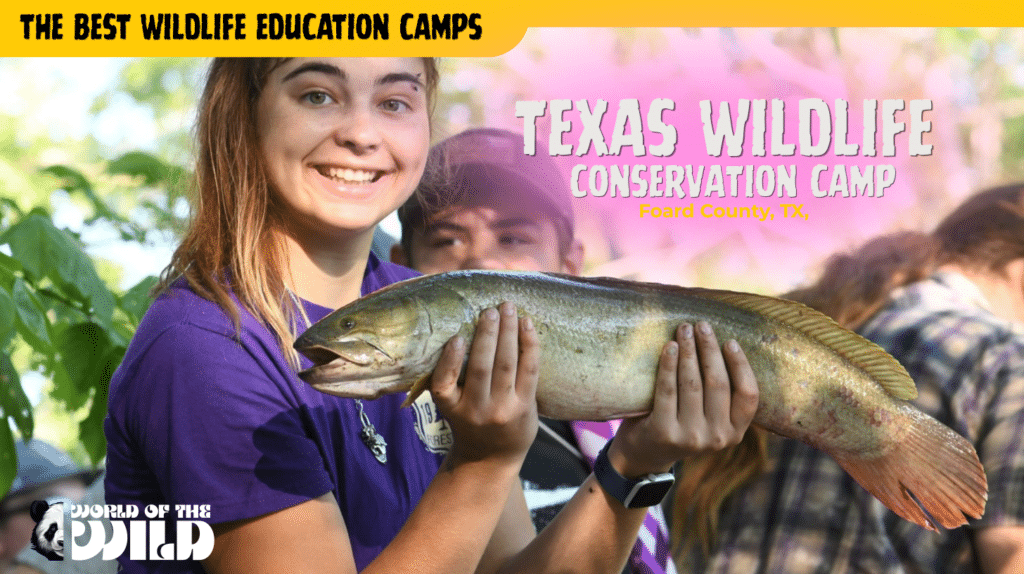
7. Texas Wildlife Conservation Camp — Foard County, Texas
Best for: Teen nature enthusiasts interested in wildlife careers, typically rising high school students When: One week in late July (2026 dates: July 20–24, 2026) at Three Rivers Ranch, Foard County, TX Pricing: Affordable camp fees; application-based admission; contact for current pricing Contact: wildlifecamptx.org
Since 1993, the Texas Chapter of The Wildlife Society has operated the Texas Wildlife Conservation Camp, a beloved week-long residential program dedicated to teaching young Texans about nature, ecology, and wildlife management. Held at a working ranch in rural Foard County, the camp immerses participants in a “whole-ecology” approach to learning — exploring how everything in nature, including humans, is interconnected. Campers learn directly from wildlife and natural resource professionals from across the state of Texas, gaining insights into careers in conservation, biology, and land management.
Activities are hands-on and immersive: participants have experienced everything from bird identification surveys to “roadkill necropsies” that reveal the incredible biodiversity of Texas wildlife. The camp also emphasizes mentorship, pairing campers with college students and working professionals who serve as guides and role models. Admission is application-based, with students selected on the basis of a nomination letter and student application — which makes acceptance feel earned and meaningful. Alumni consistently cite the camp as a transformative, career-shaping experience.
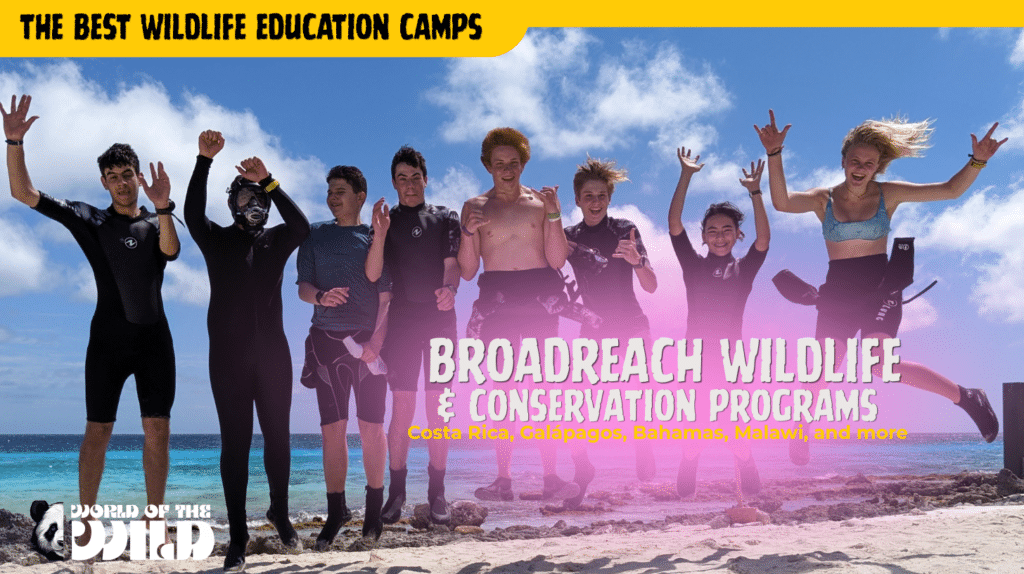
8. Broadreach Wildlife & Conservation Programs — Global (Costa Rica, Galápagos, Bahamas, Malawi, and more)
Best for: Middle and high school students (grades 6–12) seeking international immersive experiences When: Summer programs of 2–3 weeks; multiple departure dates available Pricing: Premium pricing reflecting international travel and all-inclusive accommodations; contact Broadreach directly at gobroadreach.com or call for current rates; college credits available for some programs Contact: gobroadreach.com | Based in Chapel Hill, NC
For families ready to invest in a transformative international experience, Broadreach offers the most ambitious wildlife education programs on this list. Since 1993, Broadreach has taken thousands of middle and high school students to some of the world’s most biodiverse regions — the Amazon, the Galápagos Islands, Costa Rica, Cozumel, the Bahamas, the Azores, and even Malawi — where they work side-by-side with professional field researchers, wildlife biologists, and marine scientists on real conservation projects.
Depending on the program, teens might assist with sea turtle hatching on a Costa Rican beach, study whale and dolphin species in the Azores, help implement a conservation program from start to finish in Mexico’s Yucatan region, or track big cats in the heart of Malawi. Group sizes are small by design, and all programs are led by instructors who are genuine experts in their fields. Several programs offer college academic credits, making Broadreach an appealing option for high schoolers who want their summer experience to count academically. Programs are premium-priced but are widely regarded as among the most impactful wildlife education experiences available to young people anywhere in the world.
Tips for Choosing the Right Camp
When selecting a wildlife education camp for your family, keep a few key considerations in mind. First, think about your child’s age and readiness: some camps like WildCare and Wonders of Wildlife are ideal for younger children, while programs like Broadreach and the NC Zoo’s Wild Animal Science Camps are geared toward older teens. Second, consider the setting — would your child thrive more in an urban zoo environment, a rural residential setting, or an international expedition? Third, look carefully at pricing and scholarship availability, as many of these camps offer need-based financial assistance that makes them more accessible than they might first appear. Finally, registration deadlines matter: the most popular sessions at every camp on this list tend to fill up weeks or even months in advance, so early planning pays off.
Note: Pricing, dates, and availability are subject to change. Always check each camp’s official website for the most up-to-date information before registering.