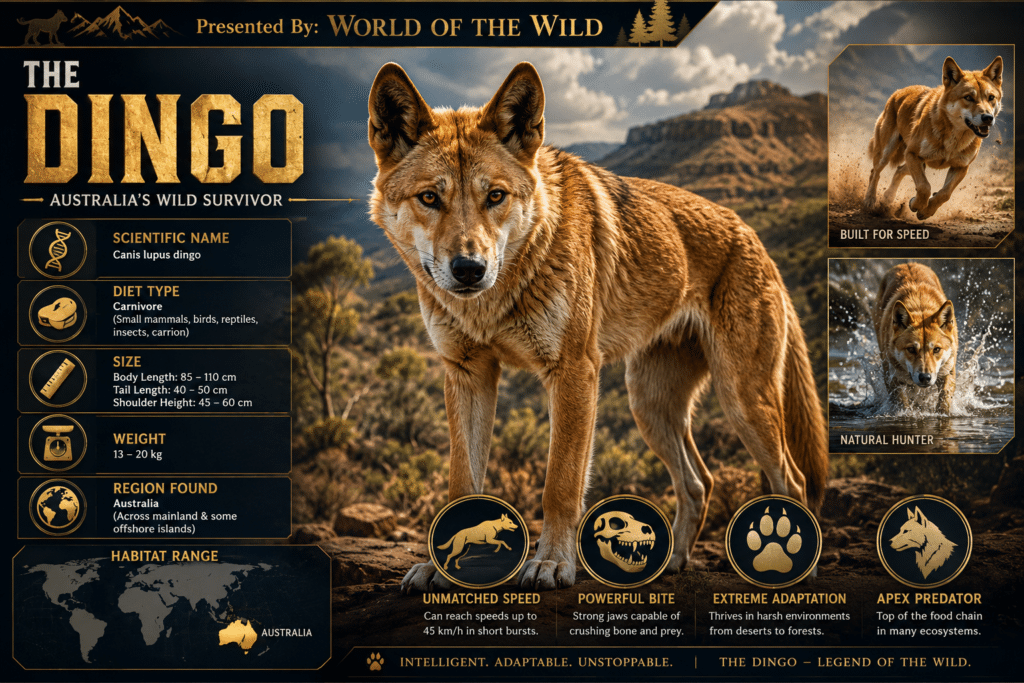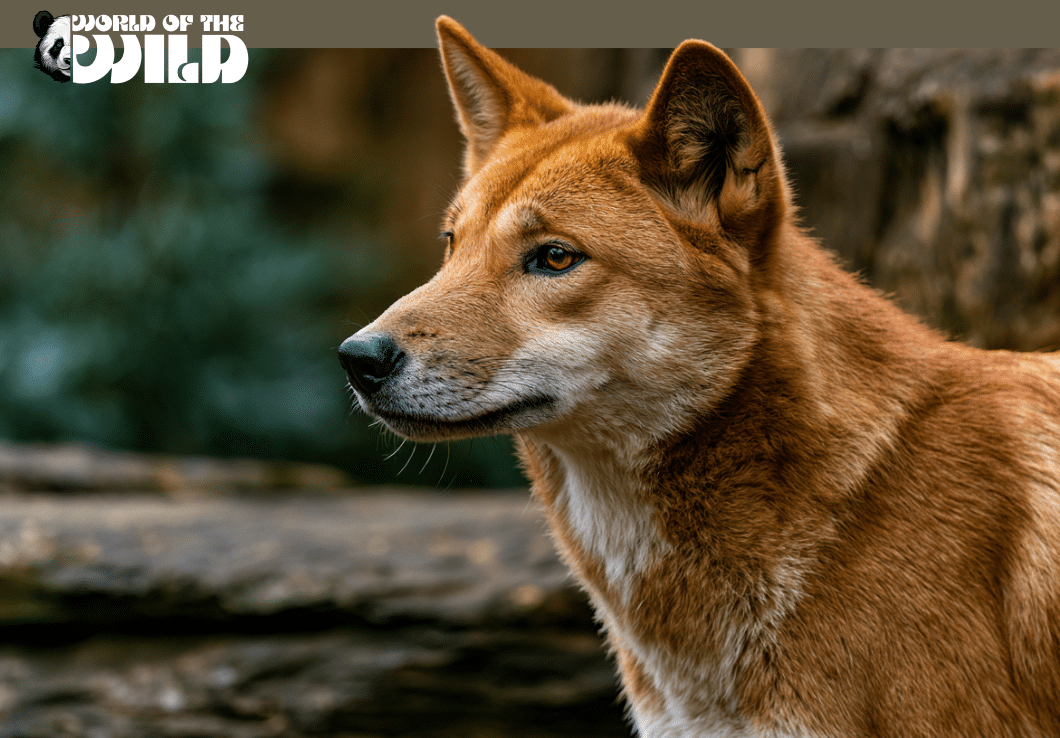

Picture the Australian Outback at dusk — the red earth cooling beneath a violet sky, the silence broken only by the distant, haunting howl of an animal that has roamed this ancient continent for thousands of years. The dingo is not quite a wolf, not quite a domestic dog, and not quite like anything else on Earth. It exists in a biological and cultural limbo that has made it one of the most debated, persecuted, and quietly remarkable animals in the natural world.
To some, the dingo is a pest — a livestock killer that farmers have fought against for generations. To others, it is a keystone predator, an ecological architect whose presence quietly holds entire ecosystems together. To the Indigenous peoples of Australia, it is something far older and more profound: a spiritual companion woven into Dreamtime stories, a partner in survival stretching back millennia. The truth about the dingo, as with most things in nature, is far more complex and compelling than any single narrative allows. This is the story of Australia’s wild dog — ancient, adaptable, and still very much fighting to survive.
Facts
- Dingoes do not bark like domestic dogs. Instead, they communicate through howls, growls, and a range of vocalizations that are distinctly wolf-like — an auditory reminder of just how different they are from your average pet.
- A dingo’s wrists can rotate, allowing it to use its paws almost like hands to open latches, climb trees, and manipulate objects — a skill most domestic dogs have long lost.
- Dingoes breed only once a year, unlike most domestic dogs, which can breed twice. This single annual breeding cycle is considered one of their most distinctly wild traits.
- The famous “Dingo Fence” (or Dog Fence) in Australia stretches over 5,600 kilometers — longer than the Great Wall of China — and was built specifically to keep dingoes out of southeastern sheep-grazing regions.
- Dingoes have been shown to suppress feral cat and fox populations through predator competition, indirectly protecting native wildlife like small marsupials and ground-nesting birds.
- Fossil evidence suggests dingoes arrived in Australia between 3,500 and 4,000 years ago — right around the same time the thylacine (Tasmanian tiger) and Tasmanian devil disappeared from the Australian mainland, leading many scientists to believe dingoes played a role in those extinctions.
- Contrary to popular depictions as purely solitary animals, dingoes are highly social and capable of forming tight family packs with complex hierarchical dynamics.
Species
The dingo’s full taxonomic classification reflects its complicated relationship with domesticity and wildness:
- Kingdom: Animalia
- Phylum: Chordata
- Class: Mammalia
- Order: Carnivora
- Family: Canidae
- Genus: Canis
- Species: Canis lupus dingo (or alternatively classified as Canis dingo)
The question of whether the dingo is a subspecies of the gray wolf (Canis lupus), a subspecies of the domestic dog (Canis lupus familiaris), or its own distinct species (Canis dingo) has been a matter of genuine scientific debate for decades. The most widely accepted classification today treats the dingo as Canis lupus dingo, placing it within the gray wolf lineage as a basal domestic dog that diverged and then re-wilded.
There are three generally recognized regional populations often discussed as distinct types, though not always formally classified as subspecies: the Desert Dingo of central Australia, known for its sandy yellow coat; the Northern Dingo of tropical northern Australia, which tends to be larger; and the Alpine Dingo found in southeastern highland regions, which sports a thicker, often darker coat. A separate but closely related population, the New Guinea Singing Dog (Canis lupus hallstromi), is found in the highlands of New Guinea and represents one of the dingo’s closest living relatives. Singing dogs are named for their distinctive, melodic howling and are considered among the rarest and most ancient of all canid populations.
Appearance
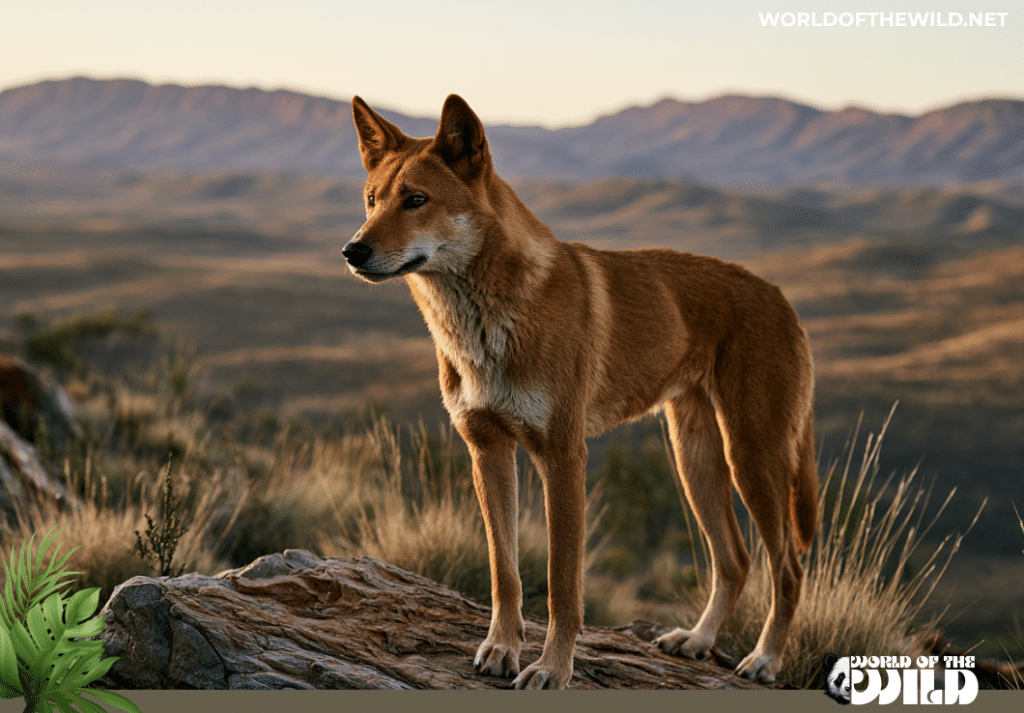
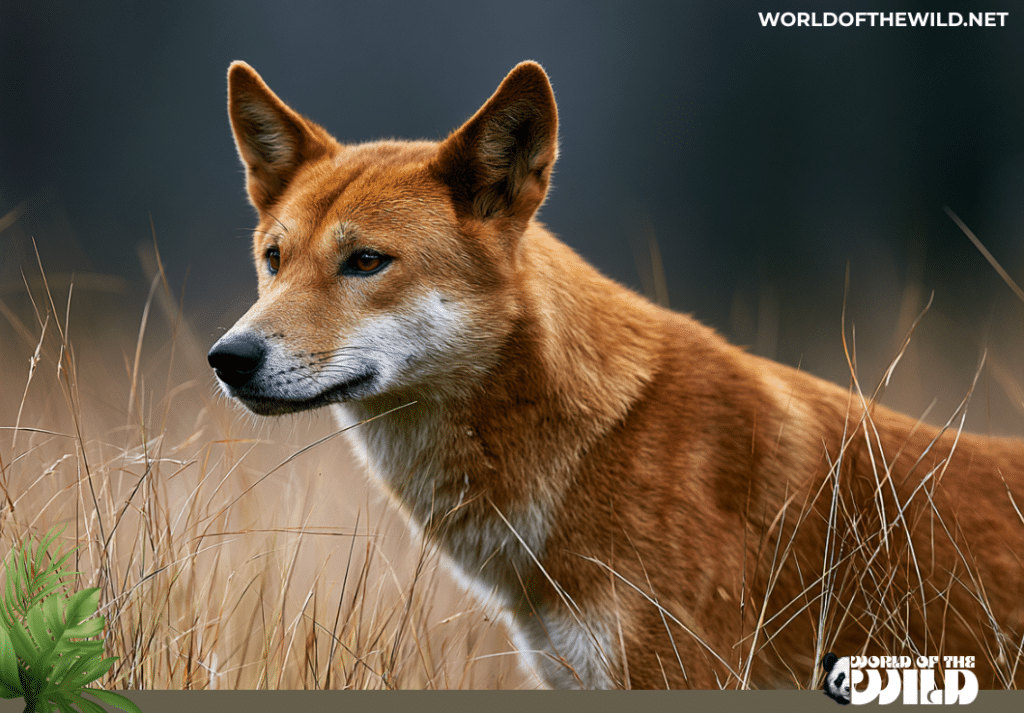
The dingo is a lean, athletic, medium-sized canid built for endurance across harsh terrain. Adults typically stand between 20 and 24 inches tall at the shoulder and measure 46 to 61 inches in body length. They weigh between 22 and 44 pounds, with males generally being larger than females. Compared to domestic dogs of similar size, dingoes tend to look more refined — almost aerodynamic — with a narrower snout, broader skull, erect and permanently pricked ears, and longer, more slender legs built for covering ground efficiently.
The coat is typically short and dense, with coloration most commonly ranging from ginger to golden yellow — the classic “sandy dingo” that most people picture. However, coat colors can vary considerably depending on region: black-and-tan individuals are not uncommon, and some alpine populations display cream or white coats. Unlike many domestic dogs, dingoes have a single-layer coat that sheds seasonally. Their bushy tail is usually held low and is rarely curved tightly over the back like a domestic dog’s tail. The eyes are almond-shaped and range in color from yellow to orange-brown, giving the dingo an alert, calculating gaze that feels distinctly wild. Their teeth are proportionally larger and more powerful than those of similarly sized domestic dogs, reflecting a life built around catching and consuming prey.
Behavior
The dingo is a creature of remarkable intelligence and behavioral complexity. Social structure varies greatly depending on habitat and food availability. In resource-rich environments, dingoes live in stable family packs of three to twelve individuals, led by a dominant breeding pair. In arid or resource-scarce areas, they may operate largely as solitary hunters, coming together only during breeding season. This flexibility is itself a form of behavioral mastery — the dingo does not lock itself into a single survival strategy.
Communication is rich and multifaceted. Howling is the primary long-distance communication tool, used to locate pack members, advertise territory, and reinforce social bonds. Unlike domestic dogs, dingoes rarely bark, and when they do, it tends to be a short, sharp alarm call rather than the sustained barking of a pet dog. They also use body language, scent marking, and a range of contact vocalizations — including whines, yelps, and chattering — to maintain social cohesion within the pack.
Dingoes are crepuscular and nocturnal hunters, most active at dawn, dusk, and through the night to avoid the brutal heat of the Australian day. They are highly opportunistic — capable of taking down large kangaroos when hunting cooperatively as a pack, but equally comfortable scavenging, hunting rabbits solo, or raiding campsites with cunning and patience. Their rotating wrists and problem-solving ability mean they can open gates, bins, and containers that would defeat most domestic dogs. Territorial behavior is well-developed, with dominant pairs maintaining core territories through scent marking and howling that can be heard kilometers away.
Evolution
The evolutionary story of the dingo begins not in Australia, but in East Asia. Genetic studies indicate that dingoes descended from domesticated dogs that were brought to Australia by ancient human seafarers — most likely from South China or mainland Southeast Asia — somewhere between 3,500 and 4,000 years ago. Once in Australia, these dogs rapidly adapted to wild conditions, essentially re-wilding over generations and developing behavioral and physiological traits that set them apart from their domestic ancestors.
Before dingoes arrived, Australia’s top predator niche on the mainland was occupied by the thylacine and Tasmanian devil. Both vanished from the mainland not long after dingoes appeared, though the exact cause — whether competition, climate, or human activity — remains debated. Dingoes are considered basal dogs, meaning they branched off very early in the process of dog domestication, before many of the genetic changes associated with modern domestic breeds took hold. This is why dingoes retain so many wolf-like characteristics: the annual breeding cycle, the lack of sustained barking, the rotating wrists, and the complex social hierarchy all reflect a lineage far less altered by selective human breeding than almost any other dog on Earth.
Their closest living relative, the New Guinea Singing Dog, likely diverged from the same ancestral population around the same period, becoming isolated in the New Guinea Highlands and evolving along a separate but parallel path.
Habitat
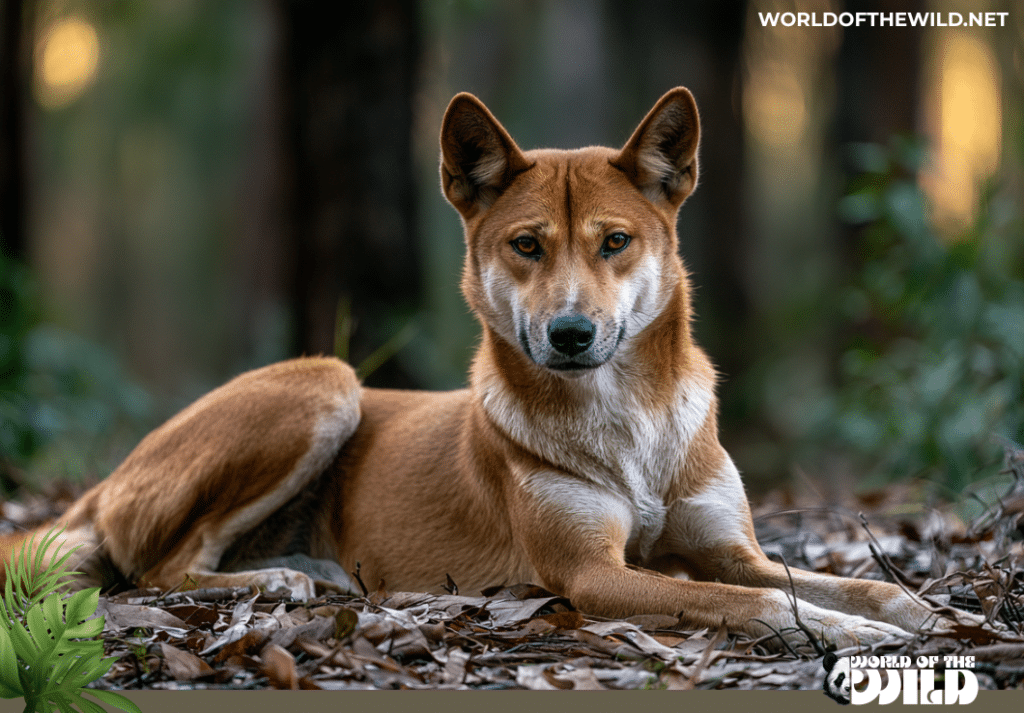
Dingoes are found across most of the Australian continent, with the notable exception of Tasmania, where they were never introduced. Their range covers an extraordinary diversity of environments — a testament to their remarkable adaptability. They thrive in the vast red sand deserts of the interior, the dry eucalyptus woodlands of the east, the tropical savanna grasslands of the north, and the alpine meadows of the Great Dividing Range. They are less commonly found in heavily agricultural or densely populated southeastern regions, partly due to historical extermination campaigns.
The key features that define quality dingo habitat are access to prey species and water. In the arid interior, dingoes are intimately tied to water sources — waterholes and creek beds become focal points of their territory. In more wooded environments, dense scrub provides cover for denning and hunting. Dingoes tend to den in caves, hollow logs, or rock overhangs, selecting sheltered spots with good sightlines that allow them to monitor their surroundings. Outside Australia, small populations are also documented in parts of Southeast Asia, including Thailand, Malaysia, and Borneo, where feral dogs of dingo-like ancestry persist in forested areas.
Diet
The dingo is a carnivore, though one with the flexibility of a true opportunist. Its diet shifts dramatically depending on region, season, and prey availability, but across Australia the most common prey items include rabbits, wallabies, kangaroos, lizards, birds, rodents, and invertebrates. In coastal areas, fish and crustaceans may supplement the diet. Dingoes are also highly effective scavengers and will consume carrion whenever available.
Hunting strategy depends on the prey. When targeting large kangaroos, dingoes may hunt cooperatively as a pack, using relay chasing — rotating individuals to exhaust the prey over distance. For smaller prey like rabbits and rodents, solo ambush and short-burst pursuit are favored. Their large, powerful teeth allow them to crush bones and consume nearly an entire carcass, wasting very little. This efficiency is part of what makes them such effective predators. Ironically, the introduction of European livestock — sheep and cattle — created an abundant and relatively easy prey source for dingoes, which dramatically escalated human-dingo conflict from the colonial period onward.
Predators and Threats
Adult dingoes have no significant natural predators in Australia. At the top of the mainland food chain, they are the continent’s apex canid. However, pups are vulnerable to wedge-tailed eagles, large pythons, and even crocodiles in northern regions. Competition with other large predators is largely absent, which is part of what makes the dingo such a powerful ecological force.
The greatest threats to the dingo are entirely human in origin, and they are substantial. Culling and poisoning remain widespread across much of Australia, driven by livestock protection programs. Poison baiting with 1080 (sodium fluoroacetate) and shooting are legal and actively practiced in many states. The dingo fence — one of the longest structures ever built — physically excludes dingoes from vast areas of the continent.
Perhaps the most insidious long-term threat, however, is hybridization with domestic and feral dogs. As dingo populations become fragmented by human activity, individuals increasingly encounter and interbreed with feral domestic dogs, producing hybrids that gradually dilute the pure dingo gene pool. Estimates suggest that in some regions of eastern Australia, pure dingoes are becoming genuinely rare. Habitat loss through agricultural expansion, road mortality, and climate-driven changes to prey populations further compound the pressure on this species. The dingo thus faces the peculiar threat of being simultaneously persecuted as a pest and quietly disappearing as a distinct biological entity.
Reproduction and Life Cycle
Dingoes breed once per year, typically between March and June in Australia, which corresponds to the cooler autumn and winter months — an important adaptation that ensures pups are born into milder conditions. The dominant female in a pack is usually the only one that breeds, suppressing reproduction in subordinate females through social and hormonal means. This reproductive control is another hallmark of the dingo’s wild behavioral heritage.
Gestation lasts approximately 63 days, after which the female gives birth to a litter of four to six pups, though litters of up to ten have been recorded. Birth takes place in a sheltered den — a burrow, rock crevice, or hollow log — where the pups are born blind and helpless. Parental care in dingoes is notably communal. The dominant male and often other pack members — known as “helpers” — assist in guarding the den, regurgitating food for the mother and pups, and later playing a role in socializing and educating young dingoes in hunting and pack behavior. This alloparental care (caregiving by non-parents) is a sophisticated social behavior that significantly improves pup survival rates.
Pups open their eyes at around two weeks, begin eating solid food at around eight weeks, and are largely independent by three to four months. Sexual maturity is reached at one to three years. In the wild, dingoes typically live eight to ten years. In captivity, with access to consistent nutrition and veterinary care, they can live up to fifteen years.
Population
The IUCN Red List currently classifies the dingo as Vulnerable when assessed as a distinct taxon (Canis dingo). However, its status is complicated by ongoing taxonomic debate — when grouped with domestic dogs, it escapes many conservation protections that would otherwise apply.
Estimating the total population of pure dingoes is extremely difficult, partly because of the hybridization problem. Best estimates suggest that between 10,000 and 50,000 pure or near-pure dingoes remain across Australia, though these numbers are highly uncertain. In some regions — particularly south of the Dingo Fence in southeastern Australia — pure dingo populations have been almost entirely replaced by hybrids. Populations in the arid interior, particularly in areas of Western Australia and the Northern Territory, are generally considered the most genetically intact.
Conservation efforts are fragmented and politically contested. While some national parks protect dingoes within their borders, the species remains legally killable in most of Australia’s pastoral zones. A growing community of ecologists and conservation biologists is advocating for stronger protections, citing the dingo’s irreplaceable role as a top predator and ecological regulator. The trajectory, without significant policy change, is one of continued genetic erosion and range contraction.
Conclusion
The dingo is one of Australia’s most extraordinary animals — a creature shaped by thousands of years of wild adaptation, carrying in its genes the memory of ancient migrations and the fingerprint of an ecology it has helped define. It is a top predator and an ecosystem engineer, a cultural icon and a conservation puzzle, a survivor that has outlasted ice ages and continental upheaval only to face its most serious challenge yet: us.
The story of the dingo forces us to confront uncomfortable questions about how we value animals. An apex predator that keeps invasive species in check, protects native wildlife, and maintains ecological balance deserves far better than a poison bait and a government bounty. Protecting the dingo is not just an act of compassion — it is an act of ecological intelligence. If Australia is to maintain the remarkable biodiversity that makes it one of the most biologically unique places on Earth, the dingo must be part of that future. The howl echoing across the red desert at dusk is not the sound of a problem to be solved. It is the sound of an ancient continent still alive, still wild, still fighting to stay that way.
Quick Reference
| Scientific Name | Canis lupus dingo |
| Diet Type | Carnivore |
| Size (Length) | 46–61 inches (approximately 3.8–5 feet) |
| Size (Height at Shoulder) | 20–24 inches (approximately 1.7–2 feet) |
| Weight | 22–44 pounds |
| Region Found | Australia (widespread); Southeast Asia (limited populations in Thailand, Malaysia, Borneo) |